Common Abyssinian Health Issues to Watch For
By PetEssentialist Team · Updated June 2026 · How we review
We independently research and pick every product. When you buy through our links we may earn a commission, at no extra cost to you. How this works.
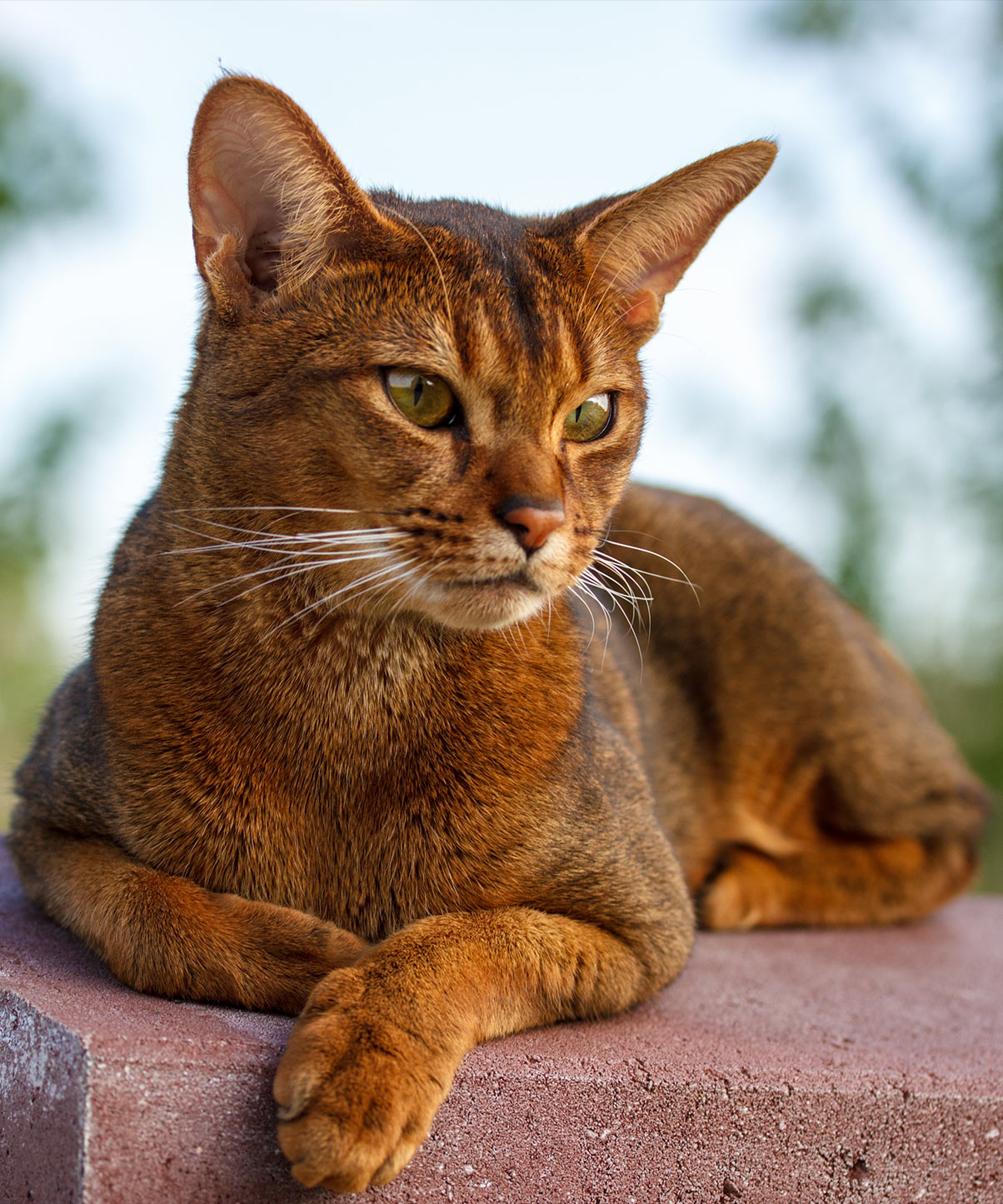
The Abyssinian's high energy level and curious nature make them prone to accidents and health issues if not properly monitored. Their short, ticked coat requires minimal grooming, but their athletic build and love for heights demand plenty of climbing and play opportunities. As an owner, it's essential to be aware of the common health issues that can affect this breed, such as progressive retinal atrophy, pyruvate kinase deficiency, and dental disease. With a lifespan of 12-15 years, Abyssinians can bring joy and companionship to their owners for over a decade. However, their predisposition to certain health issues means that owners must be vigilant and proactive in maintaining their cat's health. Regular veterinary check-ups, a balanced diet, and a safe living environment can all contribute to preventing or managing these conditions. By understanding the specific health needs of the Abyssinian breed, owners can take steps to ensure their cat lives a long, healthy, and happy life. This includes being aware of the signs and symptoms of common health issues, as well as taking preventative measures to reduce the risk of these conditions occurring.
What to look for
Regular Veterinary Check-Ups
Regular veterinary check-ups are crucial for monitoring the health of Abyssinians. These check-ups can help identify potential health issues early on, allowing for prompt treatment and prevention of more severe problems. Owners should aim to schedule annual check-ups, or more frequently if recommended by their veterinarian. Additionally, owners should keep a close eye on their cat's behavior and health, watching for signs of illness or injury, such as changes in appetite, vomiting, or lethargy.
Dental Care
Dental disease is a common health issue in Abyssinians, and regular dental care can help prevent this condition. Owners should brush their cat's teeth regularly, using a veterinarian-recommended toothpaste and toothbrush. Additionally, providing dental chews and toys can help reduce the risk of dental disease. A healthy diet and plenty of fresh water can also contribute to good oral health.
Safe Living Environment
Abyssinians are naturally curious and love to climb, so owners must ensure their living environment is safe and secure. This includes removing hazardous materials, securing loose wires, and providing sturdy climbing structures. Owners should also be mindful of their cat's athletic ability and provide plenty of space for exercise and play.
Balanced Diet
A balanced diet is essential for maintaining the health of Abyssinians. Owners should feed a high-quality, nutrient-rich food that meets their cat's specific nutritional needs. A veterinarian can recommend the best diet for an individual cat, taking into account factors such as age, health, and lifestyle.
Monitoring for Signs of Illness
Abyssinians are prone to certain health issues, such as progressive retinal atrophy and pyruvate kinase deficiency. Owners should be aware of the signs and symptoms of these conditions, such as changes in vision, appetite, or energy level, and seek veterinary attention promptly if they notice any unusual behavior or health changes.
Frequently asked questions
What are the most common health issues in Abyssinians?
The most common health issues in Abyssinians include progressive retinal atrophy, pyruvate kinase deficiency, dental disease, and renal amyloidosis. Regular veterinary check-ups and a balanced diet can help prevent or manage these conditions.
How often should I take my Abyssinian to the vet?
Abyssinians should have annual veterinary check-ups, or more frequently if recommended by their veterinarian. Owners should also seek veterinary attention promptly if they notice any signs of illness or injury.
Can I prevent dental disease in my Abyssinian?
Yes, regular dental care can help prevent dental disease in Abyssinians. This includes brushing their teeth regularly, providing dental chews and toys, and feeding a balanced diet.
Why is it important to provide a safe living environment for my Abyssinian?
Abyssinians are naturally curious and love to climb, so a safe living environment is crucial for preventing accidents and injuries. Owners should remove hazardous materials, secure loose wires, and provide sturdy climbing structures.
What are the signs of progressive retinal atrophy in Abyssinians?
The signs of progressive retinal atrophy in Abyssinians include changes in vision, such as difficulty navigating in low light or bumping into objects. Owners should seek veterinary attention promptly if they notice any changes in their cat's vision or behavior.
By understanding the specific health needs of the Abyssinian breed and taking proactive steps to maintain their health, owners can help their cat live a long, happy, and healthy life. Regular veterinary check-ups, a balanced diet, and a safe living environment are all crucial for preventing or managing common health issues. Owners who prioritize their cat's health and well-being can enjoy a rewarding and loving relationship with their Abyssinian companion.
More for your Abyssinian
Other breed-matched picks worth a look.