Common American Shorthair Health Issues to Watch For
By PetEssentialist Team · Updated June 2026 · How we review
We independently research and pick every product. When you buy through our links we may earn a commission, at no extra cost to you. How this works.
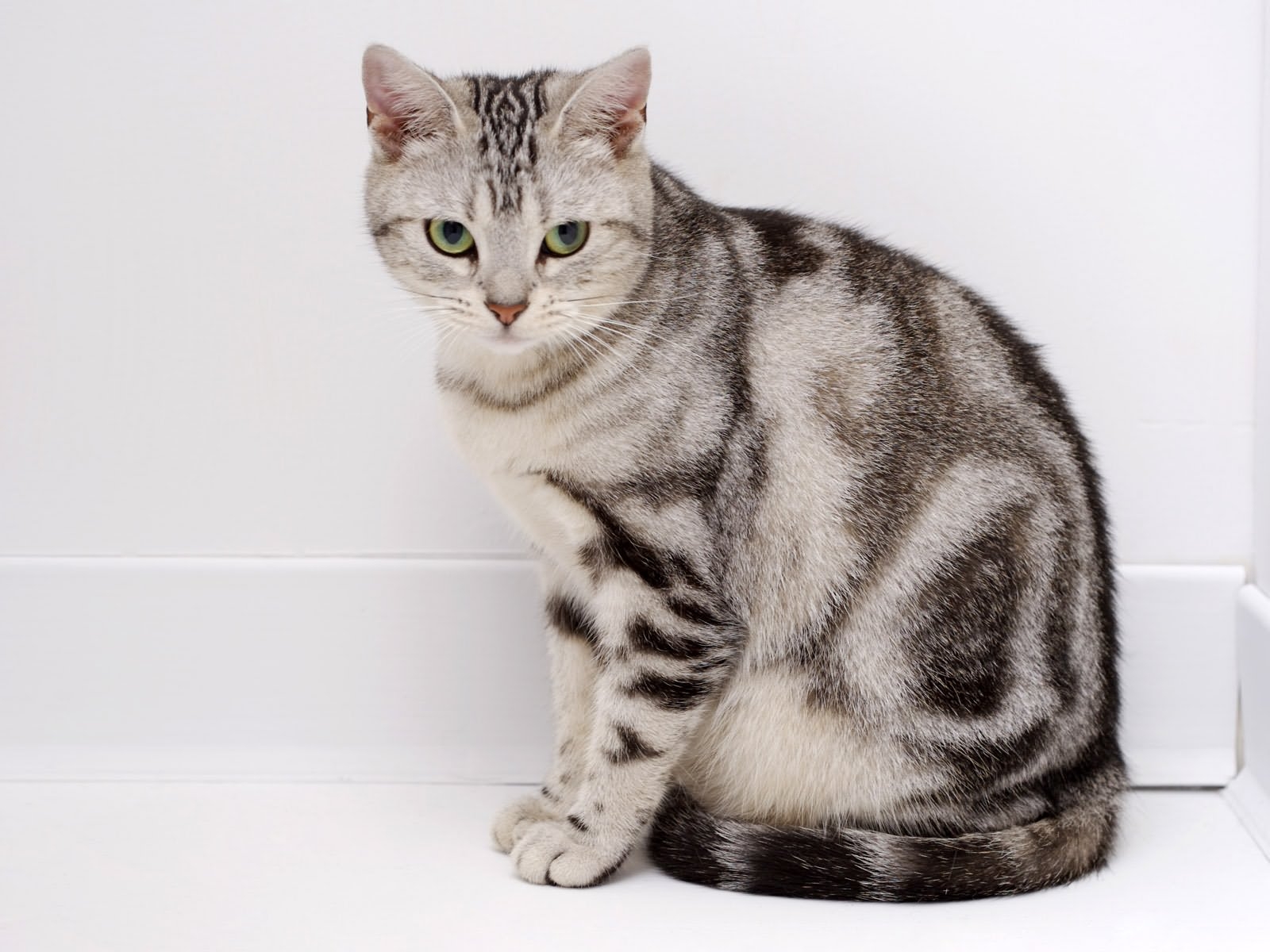
As the sun rises over a quiet household, an American Shorthair stirs from its slumber, stretching its sturdy medium-sized frame and arching its back in a languid yawn. Owners of this beloved breed are familiar with their cat's easygoing and adaptable nature, but they must also be vigilant about potential health issues that can arise. The American Shorthair's dense short coat and moderate energy level make it a low-maintenance companion, but its propensity for obesity and dental disease requires careful monitoring. A typical American Shorthair weighs between 8-15 lbs and can live up to 15-20 years, making it a long-term companion that requires attention to its health. As they age, it's essential to watch their waistline, as excess weight can exacerbate existing conditions. By being aware of the common health issues that affect American Shorthairs, owners can take proactive steps to prevent or manage these conditions. Regular check-ups with a veterinarian are crucial in maintaining the overall health of an American Shorthair. By working together with a veterinary professional, owners can ensure their cat receives the best possible care and lives a long, healthy life.
What to look for
Monitoring Weight
American Shorthairs are prone to obesity, which can lead to a range of health problems. Owners should monitor their cat's weight regularly, using a combination of weigh-ins and body condition scoring to ensure they remain within a healthy range. A balanced diet and regular exercise can help prevent excess weight gain. It's recommended to weigh your American Shorthair at least twice a year, and to adjust their diet accordingly.
Dental Care
Dental disease is a common issue in American Shorthairs, and can lead to painful tooth resorption and other complications. Owners should prioritize regular dental check-ups and cleanings, and can also help prevent dental disease by providing their cat with a balanced diet and suitable chew toys. Daily brushing of their cat's teeth can also help remove plaque and tartar.
Heart Health
Hypertrophic cardiomyopathy (HCM) is a heart condition that can affect American Shorthairs, and owners should be aware of the signs and symptoms. Regular check-ups with a veterinarian can help identify any potential issues early on, and owners should also be mindful of their cat's overall health and behavior. If any unusual signs or symptoms are noticed, such as difficulty breathing or lethargy, owners should seek veterinary attention immediately.
Regular Check-Ups
Regular check-ups with a veterinarian are essential in maintaining the overall health of an American Shorthair. These check-ups can help identify potential health issues early on, and allow owners to take proactive steps to prevent or manage conditions. It's recommended to schedule check-ups at least twice a year, and to follow the veterinarian's advice on preventative care and treatment.
Preventative Care
Preventative care is key in maintaining the health of an American Shorthair. This includes providing regular vaccinations, parasite control, and a balanced diet. Owners should also ensure their cat has access to plenty of fresh water, a clean litter box, and suitable shelter and comfort. By prioritizing preventative care, owners can help prevent a range of health issues and ensure their cat lives a long, healthy life.
Frequently asked questions
What are the most common health issues affecting American Shorthairs?
The most common health issues affecting American Shorthairs include obesity, dental disease, and hypertrophic cardiomyopathy (HCM). Regular check-ups with a veterinarian can help identify these conditions early on, and owners can take proactive steps to prevent or manage them.
How often should I weigh my American Shorthair?
It's recommended to weigh your American Shorthair at least twice a year, and to adjust their diet accordingly. This can help prevent excess weight gain and reduce the risk of obesity-related health issues.
What are the signs and symptoms of HCM in American Shorthairs?
The signs and symptoms of HCM in American Shorthairs can include difficulty breathing, lethargy, and pale gums. If any of these signs or symptoms are noticed, owners should seek veterinary attention immediately.
Can I prevent dental disease in my American Shorthair?
Yes, dental disease can be prevented or managed in American Shorthairs. This includes providing regular dental check-ups and cleanings, a balanced diet, and suitable chew toys. Daily brushing of their cat's teeth can also help remove plaque and tartar.
How often should I schedule check-ups with my veterinarian?
It's recommended to schedule check-ups with your veterinarian at least twice a year. This can help identify potential health issues early on, and allow owners to take proactive steps to prevent or manage conditions.
By being aware of the common health issues that affect American Shorthairs and taking proactive steps to prevent or manage them, owners can help their cat live a long, healthy life. Regular check-ups with a veterinarian, monitoring weight, and prioritizing preventative care are all essential in maintaining the overall health of an American Shorthair. By working together with a veterinary professional, owners can ensure their cat receives the best possible care and thrives for years to come.
More for your American Shorthair
Other breed-matched picks worth a look.