Common Bengal Health Issues to Watch For
By PetEssentialist Team · Updated June 2026 · How we review
We independently research and pick every product. When you buy through our links we may earn a commission, at no extra cost to you. How this works.
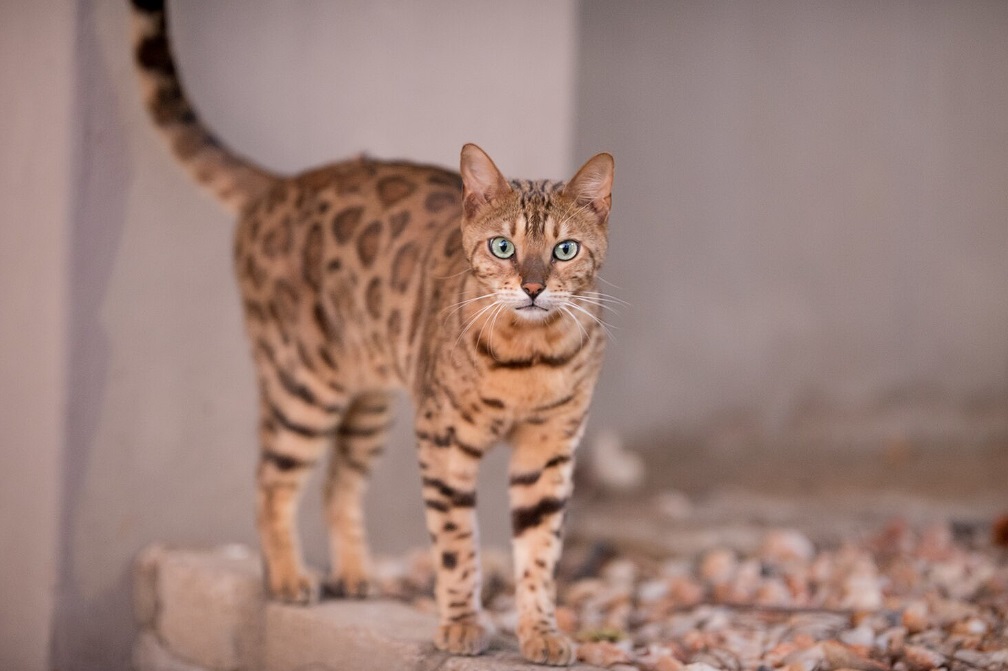
Bengal owners often face a unique set of health challenges due to the breed's energetic and athletic nature. With their short, low-maintenance coat and high energy level, Bengals require careful attention to their overall health to prevent common issues such as heart problems, eye conditions, and sensitive stomachs. As a Bengal owner, it's essential to be aware of these potential health concerns and take proactive steps to prevent or manage them. The Bengal's wild-looking appearance and extremely active personality make them a joy to own, but also require careful consideration of their diet, exercise, and environment. A high-protein diet, ample climbing opportunities, and regular enrichment activities are crucial to maintaining the Bengal's physical and mental health. By understanding the breed's specific needs and predispositions, owners can take a proactive approach to preventing common health issues and ensuring their Bengal lives a long, happy life. Regular veterinary check-ups, a balanced diet, and a safe, stimulating environment are all critical components of maintaining a Bengal's health. By staying informed and taking proactive steps, owners can help prevent or manage common health issues and provide their Bengal with the best possible quality of life.
What to look for
Monitor Heart Health
Bengals are prone to heart conditions such as hypertrophic cardiomyopathy (HCM), which can lead to heart failure if left untreated. Regular veterinary check-ups and monitoring for signs of heart disease, such as shortness of breath or lethargy, are crucial to preventing and managing this condition. Owners should also be aware of the importance of maintaining a healthy weight and providing regular exercise to reduce the risk of heart disease.
Watch for Eye Problems
Bengals are also susceptible to progressive retinal atrophy (PRA), a degenerative eye disorder that can lead to blindness. Regular eye exams and monitoring for signs of vision loss, such as bumping into objects or difficulty navigating, are essential to detecting and managing this condition. Owners should also be aware of the importance of providing a safe and stable environment to reduce the risk of eye injuries.
Provide a Balanced Diet
Bengals have sensitive stomachs and require a high-protein diet to maintain their energy levels and overall health. Owners should choose a premium cat food that is rich in protein and low in fillers, and avoid overfeeding or underfeeding their Bengal. A balanced diet is essential to preventing digestive problems and maintaining the Bengal's overall health.
Create a Safe Environment
Bengals are naturally curious and athletic, and require a safe and stimulating environment to prevent injuries and health problems. Owners should provide ample climbing opportunities, scratching posts, and toys to keep their Bengal engaged and active, and ensure that their home is free from hazards such as toxic substances and electrical cords.
Stay Informed and Proactive
By staying informed about common Bengal health issues and taking proactive steps to prevent or manage them, owners can help ensure their Bengal lives a long, happy life. Regular veterinary check-ups, a balanced diet, and a safe, stimulating environment are all critical components of maintaining a Bengal's health, and owners should be aware of the signs of common health issues and seek veterinary care immediately if they suspect a problem.
Frequently asked questions
How often should I take my Bengal to the vet?
Bengals should have regular veterinary check-ups at least twice a year, with more frequent visits as they age or if they have a pre-existing medical condition. Regular check-ups can help detect health problems early on and prevent more serious issues from developing.
What are the signs of heart disease in Bengals?
Signs of heart disease in Bengals can include shortness of breath, lethargy, and a lack of appetite. Owners should also be aware of the importance of monitoring their Bengal's weight and overall health, as heart disease can be a silent killer if left untreated.
Can I prevent my Bengal from developing PRA?
While there is no guaranteed way to prevent PRA, owners can reduce the risk of their Bengal developing this condition by providing a safe and stable environment, avoiding eye injuries, and monitoring their Bengal's vision regularly. Regular eye exams can also help detect signs of PRA early on.
How can I ensure my Bengal is getting enough exercise?
Bengals require regular exercise to maintain their physical and mental health, and owners should provide ample opportunities for climbing, playing, and running. A minimum of 30 minutes of exercise per day is recommended, and owners should also ensure that their Bengal has access to scratching posts and toys to keep them engaged and active.
What are the signs of a sensitive stomach in Bengals?
Signs of a sensitive stomach in Bengals can include vomiting, diarrhea, and a lack of appetite. Owners should be aware of the importance of providing a balanced diet and avoiding overfeeding or underfeeding their Bengal, as this can exacerbate digestive problems. If symptoms persist, owners should seek veterinary care immediately to rule out underlying health issues.
By understanding the Bengal's specific needs and predispositions, owners can take a proactive approach to preventing common health issues and ensuring their Bengal lives a long, happy life. Providing a balanced diet, a safe and stimulating environment, and regular veterinary care are all critical components of maintaining a Bengal's health, and owners should stay informed and proactive to ensure their Bengal receives the best possible care.
More for your Bengal
Other breed-matched picks worth a look.