Common Bernese Mountain Dog Health Issues to Watch For
By PetEssentialist Team · Updated June 2026 · How we review
We independently research and pick every product. When you buy through our links we may earn a commission, at no extra cost to you. How this works.
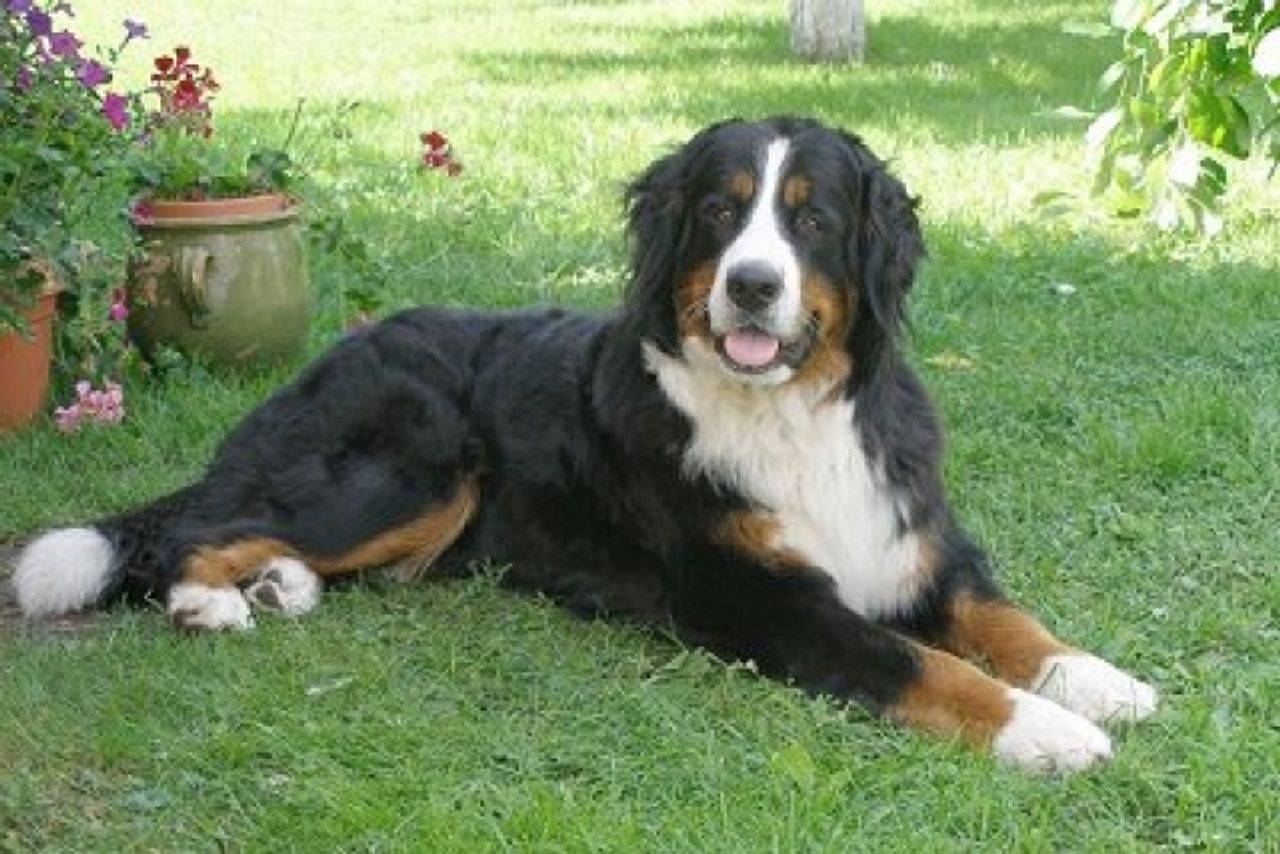
The Bernese Mountain Dog's giant size, thick coat, and moderate energy level make them prone to specific health issues. Their long, double coat requires regular grooming to prevent matting and shedding, while their large size demands extra support for their joints. Owners of this breed must be vigilant about monitoring their dog's health, as conditions like hip dysplasia, elbow dysplasia, and bloat can arise. With an average lifespan of 7-10 years, it's essential to prioritize preventive care and regular check-ups with a veterinarian. The Bernese Mountain Dog's good-natured and calm temperament makes them a joy to care for, but their health issues require attention and proactive management. By understanding the common health issues that affect this breed, owners can take steps to prevent or mitigate these conditions and ensure their dog leads a happy, healthy life. Regular grooming, exercise, and monitoring are crucial for maintaining the overall health and well-being of the Bernese Mountain Dog. By staying informed and taking proactive steps, owners can help their dog thrive and enjoy a long, healthy life.
What to look for
Regular Grooming
The Bernese Mountain Dog's thick, double coat requires regular grooming to prevent matting and shedding. Daily brushing and regular bathing can help reduce the risk of skin irritation and infections. Additionally, trimming their coat around the ears, paws, and tail can help prevent moisture buildup and reduce the risk of infection.
Joint Support
The Bernese Mountain Dog's large size puts extra strain on their joints, making them prone to hip dysplasia and elbow dysplasia. Providing extra support through orthopedic beds, ramps, and regular exercise can help reduce the risk of these conditions. It's also essential to monitor their weight, as excess weight can exacerbate joint issues.
Monitoring for Bloat
Bloat, or gastric dilatation-volvulus (GDV), is a life-threatening condition that can affect the Bernese Mountain Dog. Owners should be aware of the signs of bloat, including restlessness, pacing, and attempts to vomit, and seek immediate veterinary attention if they suspect their dog is experiencing bloat.
Cancer Screening
The Bernese Mountain Dog is prone to certain types of cancer, including osteosarcoma and lymphoma. Regular check-ups with a veterinarian and screening tests can help detect these conditions early, when they are more treatable. Owners should also be aware of the signs of cancer, including changes in appetite, weight loss, and lethargy.
Preventive Care
Preventive care is essential for maintaining the overall health and well-being of the Bernese Mountain Dog. Regular vaccinations, parasite control, and dental care can help prevent a range of health issues, from infectious diseases to dental problems.
Frequently asked questions
How often should I groom my Bernese Mountain Dog?
The Bernese Mountain Dog requires daily brushing and regular bathing to prevent matting and shedding. It's also essential to trim their coat around the ears, paws, and tail to prevent moisture buildup and reduce the risk of infection.
What are the signs of hip dysplasia in Bernese Mountain Dogs?
The signs of hip dysplasia in Bernese Mountain Dogs include stiffness, limping, and difficulty rising from a lying down position. If you suspect your dog is experiencing hip dysplasia, it's essential to consult with a veterinarian for proper diagnosis and treatment.
Can I prevent bloat in my Bernese Mountain Dog?
While it's not possible to completely prevent bloat, there are steps you can take to reduce the risk. These include feeding multiple small meals throughout the day, avoiding exercise after meals, and monitoring your dog's behavior for signs of bloat.
How often should I take my Bernese Mountain Dog to the vet?
The Bernese Mountain Dog requires regular check-ups with a veterinarian to monitor their health and detect any potential issues early. It's recommended to take your dog to the vet at least twice a year, or more often if they have a pre-existing condition.
What are the most common health issues in Bernese Mountain Dogs?
The most common health issues in Bernese Mountain Dogs include hip dysplasia, elbow dysplasia, bloat, and certain types of cancer. It's essential to be aware of these conditions and take steps to prevent or mitigate them.
By prioritizing preventive care, regular grooming, and monitoring for common health issues, Bernese Mountain Dog owners can help their dog lead a happy, healthy life. It's essential to stay informed and take proactive steps to address the specific health needs of this breed, and to consult with a veterinarian if you have any concerns about your dog's health. With the right care and attention, the Bernese Mountain Dog can thrive and enjoy a long, healthy life.
More for your Bernese Mountain Dog
Other breed-matched picks worth a look.