Common Bulldog Health Issues to Watch For
By PetEssentialist Team · Updated June 2026 · How we review
We independently research and pick every product. When you buy through our links we may earn a commission, at no extra cost to you. How this works.
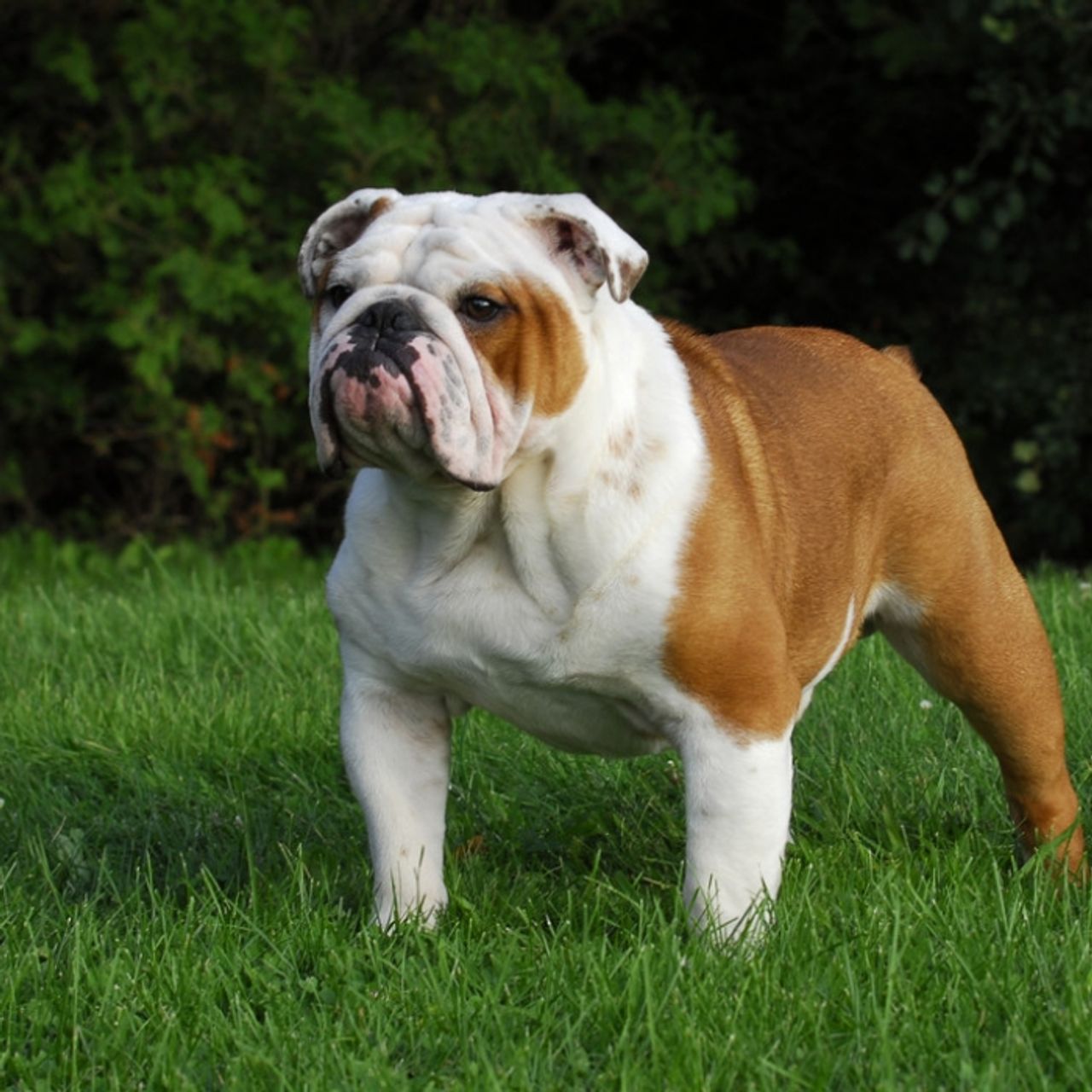
Bulldog owners face unique health challenges due to their breed's distinctive physical characteristics. The Bulldog's short, flat face and compact body make them prone to brachycephalic airway issues and skin fold dermatitis. Regular monitoring and preventive care can help mitigate these risks and ensure a long, healthy life for these affectionate companions. Given their moderate shedding and moderate grooming needs, Bulldogs require regular coat maintenance to prevent skin irritations. Their low energy level and tendency to overheat mean exercise must be gentle and controlled, with plenty of cooling breaks. By understanding and addressing these specific health concerns, Bulldog owners can provide the best possible care for their pets and help prevent common issues from becoming serious problems.
What to look for
Monitor Airway Health
Regularly check for signs of respiratory distress, such as wheezing or coughing, and consult a veterinarian if these symptoms persist. Keeping the Bulldog's face and airways clean can help reduce the risk of infection. Owners should also be aware of the risks associated with anesthesia and work closely with their veterinarian to develop a plan for any necessary procedures.
Prevent Skin Fold Dermatitis
Clean the skin folds regularly to prevent moisture buildup and infection. A gentle, pH-balanced cleanser and a soft, dry cloth can help keep the skin folds clean and dry. Owners should also monitor for signs of redness, irritation, or discharge, and consult a veterinarian if they notice any of these symptoms.
Maintain a Healthy Weight
Feed a balanced diet and limit treats to prevent obesity, which can exacerbate hip dysplasia and other health issues. A weight management plan should be developed in consultation with a veterinarian, taking into account the Bulldog's age, size, and activity level.
Provide Gentle Exercise
Avoid strenuous exercise, especially in hot or humid weather, and opt for short, gentle walks and playtime instead. This can help prevent heat sensitivity and other heat-related illnesses. Owners should also ensure their Bulldog has access to plenty of fresh water and a cool, well-ventilated space to rest.
Schedule Regular Check-Ups
Regular veterinary check-ups can help identify potential health issues early on, when they are easier to treat. Owners should work closely with their veterinarian to develop a preventive care plan, including regular check-ups, vaccinations, and parasite control.
Frequently asked questions
How often should I clean my Bulldog's skin folds?
Clean the skin folds daily, or at least several times a week, to prevent moisture buildup and infection. Use a gentle, pH-balanced cleanser and a soft, dry cloth to clean the skin folds, and consult a veterinarian if you notice any signs of redness, irritation, or discharge.
Can Bulldogs tolerate hot weather?
Bulldogs are prone to heat sensitivity due to their brachycephalic airway and compact body. They should be kept cool and well-ventilated, especially in hot or humid weather, and owners should avoid strenuous exercise during these times.
How can I prevent my Bulldog from becoming overweight?
Feed a balanced diet and limit treats to prevent obesity. A weight management plan should be developed in consultation with a veterinarian, taking into account the Bulldog's age, size, and activity level. Regular exercise, such as short walks and playtime, can also help maintain a healthy weight.
What are the signs of brachycephalic airway issues?
Signs of brachycephalic airway issues include wheezing, coughing, and difficulty breathing. Owners should consult a veterinarian if they notice any of these symptoms, as they can be indicative of a serious health issue.
How often should I take my Bulldog to the veterinarian?
Regular veterinary check-ups can help identify potential health issues early on, when they are easier to treat. Owners should work closely with their veterinarian to develop a preventive care plan, including regular check-ups, vaccinations, and parasite control. The frequency of check-ups will depend on the Bulldog's age, size, and health status.
By prioritizing preventive care and working closely with a veterinarian, Bulldog owners can help their pets live long, healthy lives. Regular monitoring and maintenance of the Bulldog's unique physical characteristics, such as their brachycephalic airway and skin folds, are key to preventing common health issues. With the right care and attention, Bulldogs can thrive as beloved companions.
More for your Bulldog
Other breed-matched picks worth a look.