Common Cornish Rex Health Issues to Watch For
By PetEssentialist Team · Updated June 2026 · How we review
We independently research and pick every product. When you buy through our links we may earn a commission, at no extra cost to you. How this works.
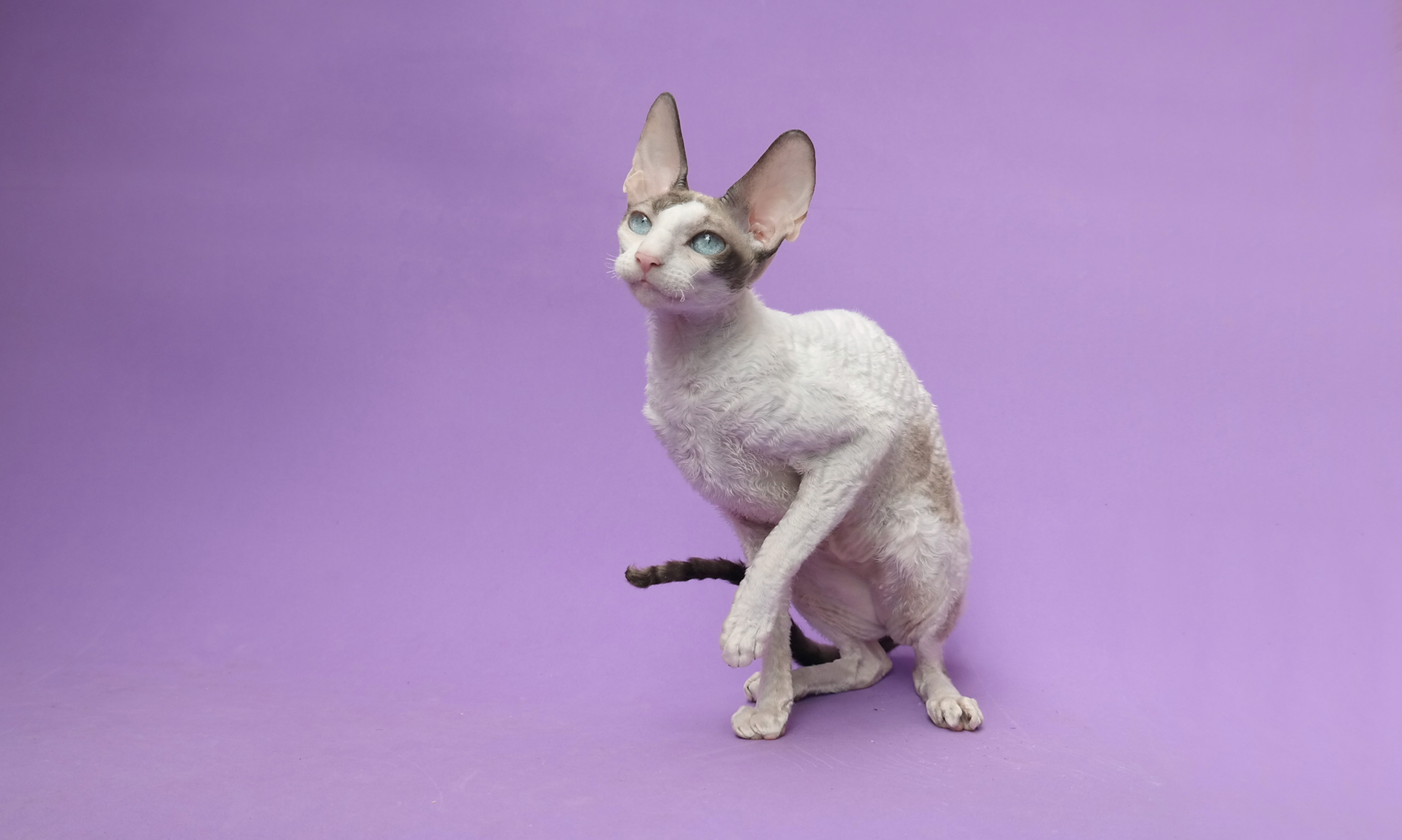
The Cornish Rex's fine, wavy coat and lean body make them a unique breed, requiring attentive care to prevent common health issues. Their high energy level and athletic nature mean they need plenty of exercise and mental stimulation to stay healthy. As a Cornish Rex owner, it's essential to be aware of the breed's predispositions to certain health issues, such as heart problems, patellar luxation, and skin sensitivity, to provide the best possible care. With their affectionate and social temperament, Cornish Rex cats thrive on interaction and attention from their owners. Regular grooming, although minimal due to their low-shedding coat, can help strengthen the bond between cat and owner while also monitoring for any potential health issues. By understanding the specific needs of the Cornish Rex breed, owners can take proactive steps to prevent or manage common health issues. A crucial aspect of Cornish Rex care is recognizing the signs of potential health problems early on, allowing for prompt veterinary consultation and treatment. This proactive approach can significantly impact the quality of life and lifespan of the cat, which typically ranges from 11 to 15 years.
What to look for
Monitor for Heart Issues
Cornish Rex cats are predisposed to hypertrophic cardiomyopathy (HCM), a heart condition that can lead to heart failure. Regular check-ups with a veterinarian, ideally annually, can help detect any heart abnormalities early. Owners should also be aware of signs such as difficulty breathing, lethargy, or pale gums, which require immediate veterinary attention.
Prevent Patellar Luxation
Patellar luxation, or kneecap dislocation, is another common issue in Cornish Rex cats. Maintaining a healthy weight through a balanced diet and ensuring the cat gets regular exercise can help prevent this condition. Avoiding jumps from high places and providing a safe, padded environment can also reduce the risk of patellar luxation.
Address Skin Sensitivity
The Cornish Rex's unique coat can make them more susceptible to skin sensitivity and allergies. Keeping the cat's environment clean, using gentle cleaning products, and avoiding exposure to potential allergens can help manage skin issues. Regular grooming can also help identify any skin problems early.
Maintain Dental Health
Dental disease is a common health issue in cats, including the Cornish Rex. Regular dental care, including brushing the cat's teeth and providing dental chews or toys, can help prevent tartar buildup and gum disease. Annual dental check-ups with a veterinarian are also crucial for maintaining good oral health.
Provide Mental Stimulation
The high energy and intelligent nature of the Cornish Rex mean they require plenty of mental stimulation and exercise. Providing puzzle toys, scratching posts, and engaging in play can help keep the cat active and stimulated, reducing the risk of behavioral problems and related health issues.
Frequently asked questions
How often should I groom my Cornish Rex?
Despite their low-shedding coat, Cornish Rex cats benefit from regular grooming to remove loose hair and distribute skin oils. Gentle brushing 1-2 times a week is recommended, taking care not to mat or pull their unique curly coat.
What are the signs of heart problems in Cornish Rex cats?
Signs of heart problems in Cornish Rex cats can include difficulty breathing, lethargy, pale gums, or a lack of appetite. If any of these symptoms are observed, it's crucial to consult a veterinarian immediately.
Can Cornish Rex cats be outdoors?
While Cornish Rex cats are athletic and enjoy activity, it's generally recommended to keep them indoors to protect them from potential hazards such as traffic, predators, and disease. Indoor environments can also be better controlled to manage their predispositions to certain health issues.
How can I prevent patellar luxation in my Cornish Rex?
Preventing patellar luxation involves maintaining a healthy weight, providing regular exercise, and avoiding jumps from high places. A balanced diet and a safe, padded environment can also reduce the risk of this condition.
Why is dental care important for Cornish Rex cats?
Dental care is important for Cornish Rex cats because they are prone to dental disease, which can lead to pain, infection, and other systemic health issues. Regular dental care, including brushing and veterinary check-ups, can help prevent these problems and maintain the cat's overall health.
For Cornish Rex owners, prioritizing preventive care and regular veterinary check-ups is key to managing the breed's common health issues. By understanding the specific needs and predispositions of the Cornish Rex, owners can take proactive steps to ensure their cat lives a long, healthy life. Regular monitoring and prompt action when signs of health issues arise can make a significant difference in the quality of life for these unique and affectionate cats.
More for your Cornish Rex
Other breed-matched picks worth a look.