Common Doberman Pinscher Health Issues to Watch For
By PetEssentialist Team · Updated June 2026 · How we review
We independently research and pick every product. When you buy through our links we may earn a commission, at no extra cost to you. How this works.
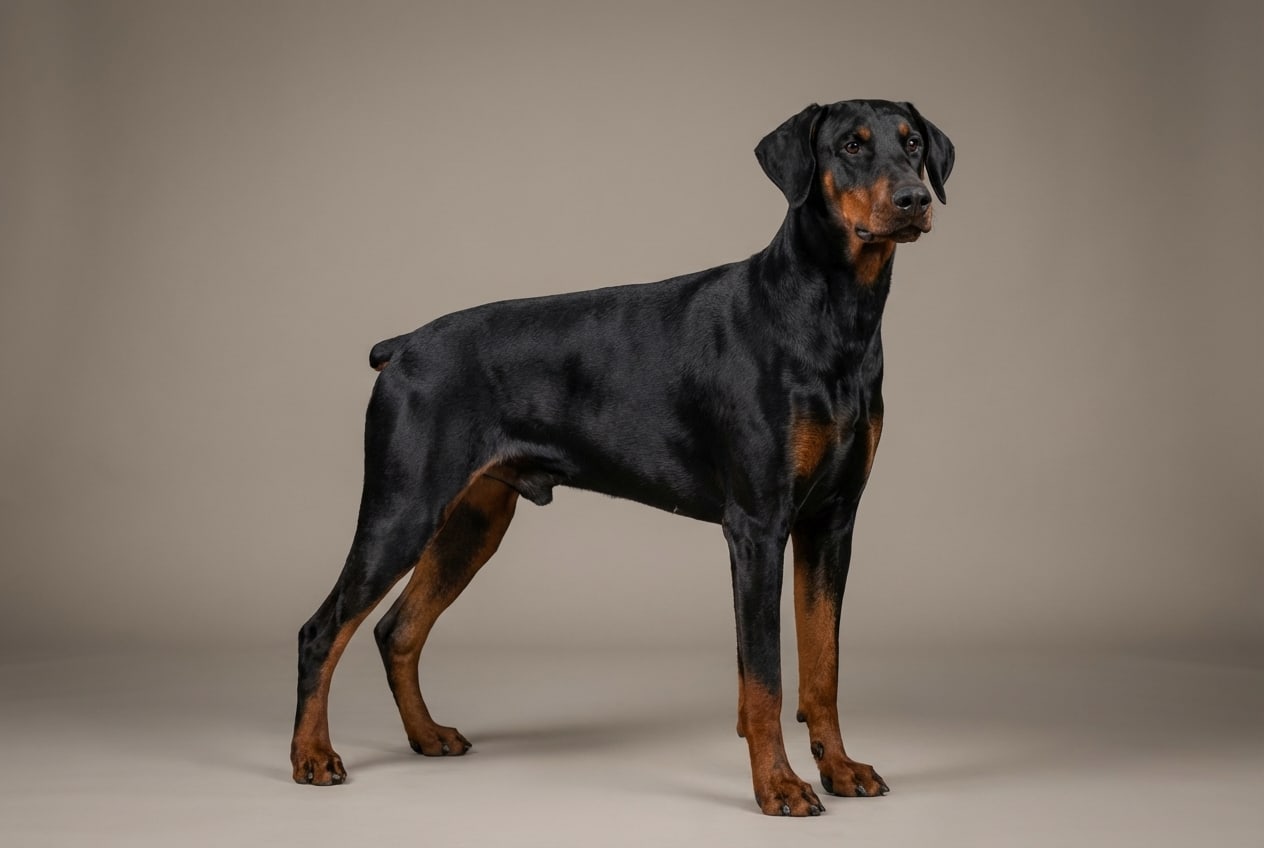
The Doberman Pinscher's athletic build and high energy level make them a joy to own, but also predispose them to specific health issues. Their short, single coat and lean physique mean they feel the cold more intensely than some other breeds, and their deep chest increases the risk of bloat. As a responsible owner, it's essential to be aware of these potential problems and take proactive steps to prevent them. By understanding the unique needs and vulnerabilities of the Doberman Pinscher, owners can take targeted action to support their dog's health and well-being, from providing regular exercise and a balanced diet to monitoring for signs of illness and seeking veterinary care when needed.
What to look for
Monitor for Signs of Bloat
Doberman Pinschers are at risk for gastric dilatation-volvulus (GDV), a life-threatening condition that requires immediate veterinary attention. Owners should be aware of the signs of bloat, including restlessness, pacing, and attempts to vomit, and seek help right away if they suspect their dog is affected. Regular exercise and a balanced diet can help reduce the risk of bloat, but vigilance is key.
Support Heart Health
Doberman Pinschers are prone to dilated cardiomyopathy (DCM), a heart condition that can lead to congestive heart failure. Regular check-ups with a veterinarian can help identify potential problems early, and owners can support their dog's heart health by providing a balanced diet and plenty of opportunities for exercise and rest.
Provide Regular Exercise
Doberman Pinschers are high-energy dogs that require regular exercise to stay happy and healthy. Owners should aim to provide at least an hour of exercise per day, including walks, runs, and playtime, to help their dog burn off energy and maintain a healthy weight. This can help reduce the risk of health problems like obesity and hip dysplasia.
Protect Against the Cold
Doberman Pinschers are sensitive to cold temperatures due to their short, single coat and lean build. Owners should take steps to protect their dog from the cold, including providing a warm coat or jacket for outdoor walks and ensuring their dog has a warm, comfortable place to rest. This can help reduce the risk of cold-related illnesses and discomfort.
Stay Alert for Signs of Hip Dysplasia
Doberman Pinschers are prone to hip dysplasia, a condition that can cause pain and mobility problems. Owners should be aware of the signs of hip dysplasia, including stiffness, limping, and difficulty rising from a lying down position, and seek veterinary care if they suspect their dog is affected. Regular exercise and a balanced diet can help reduce the risk of hip dysplasia, but prompt treatment is essential if problems do arise.
Frequently asked questions
How often should I take my Doberman Pinscher to the vet?
Regular check-ups with a veterinarian are essential for monitoring your Doberman Pinscher's health and catching potential problems early. Most veterinarians recommend annual check-ups, but this may vary depending on your dog's age, health status, and other factors. Be sure to follow your veterinarian's recommendations for check-ups and preventative care.
What are the signs of bloat in Doberman Pinschers?
The signs of bloat in Doberman Pinschers can include restlessness, pacing, attempts to vomit, and a swollen or tender abdomen. If you suspect your dog is experiencing bloat, seek veterinary care immediately, as this is a life-threatening condition that requires prompt treatment.
Can I prevent my Doberman Pinscher from getting hip dysplasia?
While there is no guaranteed way to prevent hip dysplasia in Doberman Pinschers, regular exercise and a balanced diet can help reduce the risk. Maintaining a healthy weight, avoiding excessive jumping or strenuous activity, and providing a comfortable place to rest can also help minimize the risk of hip dysplasia.
Why is my Doberman Pinscher shivering?
Doberman Pinschers are sensitive to cold temperatures due to their short, single coat and lean build. If your dog is shivering, it may be a sign that they are too cold. Provide a warm coat or jacket for outdoor walks, and ensure your dog has a warm, comfortable place to rest. If the shivering persists or is accompanied by other signs of illness, seek veterinary care.
How can I support my Doberman Pinscher's heart health?
Regular check-ups with a veterinarian can help identify potential heart problems early, and owners can support their dog's heart health by providing a balanced diet and plenty of opportunities for exercise and rest. Avoiding strenuous activity, especially in hot or humid weather, can also help reduce the risk of heart problems.
By understanding the unique needs and vulnerabilities of the Doberman Pinscher, owners can take targeted action to support their dog's health and well-being. Prioritize regular exercise, a balanced diet, and preventative care to help your dog thrive, and be prepared to seek veterinary care if you suspect any health problems. With the right care and attention, your Doberman Pinscher can enjoy a long, happy, and healthy life.
More for your Doberman Pinscher
Other breed-matched picks worth a look.