Common German Shepherd Health Issues to Watch For
By PetEssentialist Team · Updated June 2026 · How we review
We independently research and pick every product. When you buy through our links we may earn a commission, at no extra cost to you. How this works.
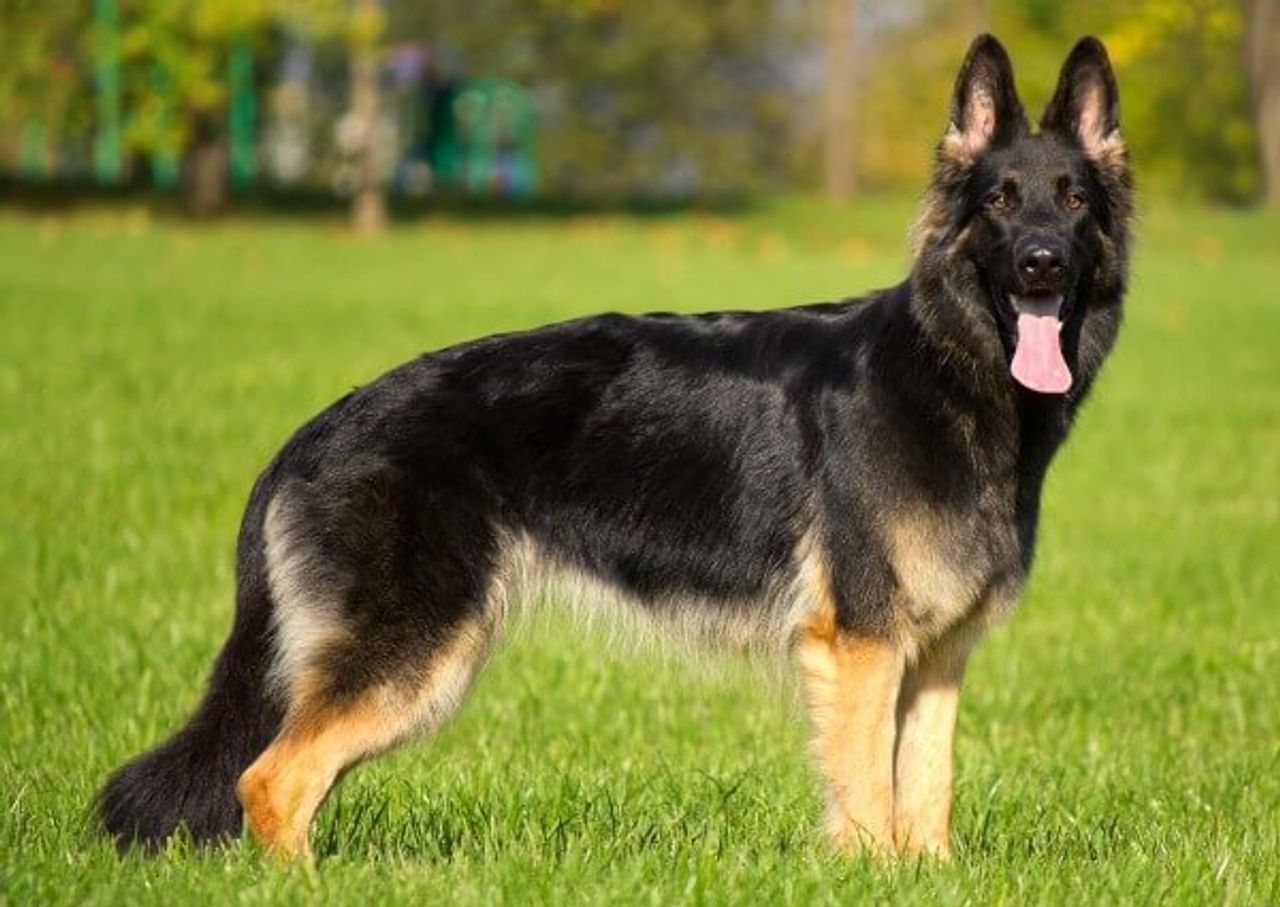
The German Shepherd's high energy level and large size make them prone to specific health issues, with hip dysplasia affecting up to 20% of the breed. Their medium double coat, which sheds heavily, can also lead to skin irritation and other issues if not properly maintained. German Shepherds are also known for their sensitive stomachs, which can make mealtime a challenge. As a responsible owner, being aware of these potential health issues is crucial to providing the best possible care for this loyal and courageous breed.
What to look for
Monitor Joint Health
German Shepherds are prone to hip and elbow dysplasia, so monitoring their joint health is essential. This can be done by maintaining a healthy weight, providing regular exercise, and avoiding excessive jumping or running on hard surfaces. Regular veterinary check-ups can also help identify any potential issues early on.
Prevent Bloat
As a deep-chested breed, German Shepherds are at risk of bloat, a life-threatening condition that requires immediate veterinary attention. To prevent bloat, owners should feed multiple small meals throughout the day, avoid exercise after meals, and monitor their dog's behavior for signs of distress.
Manage Sensitive Stomachs
German Shepherds are known for their sensitive stomachs, which can lead to digestive issues and skin problems. To manage this, owners should feed a high-quality dog food that is easy to digest, avoid giving table scraps, and consider adding probiotics or other supplements to support gut health.
Maintain a Healthy Coat
German Shepherds have a medium double coat that sheds heavily, which can lead to skin irritation and other issues if not properly maintained. Regular grooming, including brushing and bathing, can help prevent matting and tangling, while also reducing shedding.
Stay Vigilant for Degenerative Myelopathy
Degenerative myelopathy is a progressive disease that affects the spinal cord and can lead to paralysis and death. German Shepherd owners should be aware of the signs of this disease, including weakness, loss of coordination, and difficulty walking, and consult a veterinarian immediately if they notice any of these symptoms.
Frequently asked questions
How often should I take my German Shepherd to the vet?
German Shepherds should have regular veterinary check-ups at least twice a year, with additional visits as needed to monitor any ongoing health issues. This can help identify potential problems early on and prevent more serious health issues from developing.
What are the signs of bloat in German Shepherds?
The signs of bloat in German Shepherds include restlessness, pacing, drooling, and attempts to vomit, among others. If you suspect your dog has bloat, it's essential to seek immediate veterinary attention, as this condition can be life-threatening.
Can German Shepherds eat table scraps?
It's not recommended to feed German Shepherds table scraps, as their sensitive stomachs can be easily upset by rich or fatty foods. Instead, stick to a high-quality dog food and avoid giving treats that may trigger digestive issues.
How can I prevent hip dysplasia in my German Shepherd?
While hip dysplasia can't be completely prevented, maintaining a healthy weight, providing regular exercise, and avoiding excessive jumping or running on hard surfaces can help reduce the risk of this condition. Regular veterinary check-ups can also help identify any potential issues early on.
What are the signs of degenerative myelopathy in German Shepherds?
The signs of degenerative myelopathy in German Shepherds include weakness, loss of coordination, and difficulty walking, among others. If you notice any of these symptoms, it's essential to consult a veterinarian immediately, as this disease can progress rapidly and lead to paralysis and death.
By being aware of the potential health issues that can affect German Shepherds and taking steps to prevent them, owners can help their dogs live long, healthy lives. Regular veterinary check-ups, a balanced diet, and plenty of exercise can go a long way in preventing common health issues, while also strengthening the bond between dog and owner.
More for your German Shepherd
Other breed-matched picks worth a look.