Common Great Pyrenees Health Issues to Watch For
By PetEssentialist Team · Updated June 2026 · How we review
We independently research and pick every product. When you buy through our links we may earn a commission, at no extra cost to you. How this works.
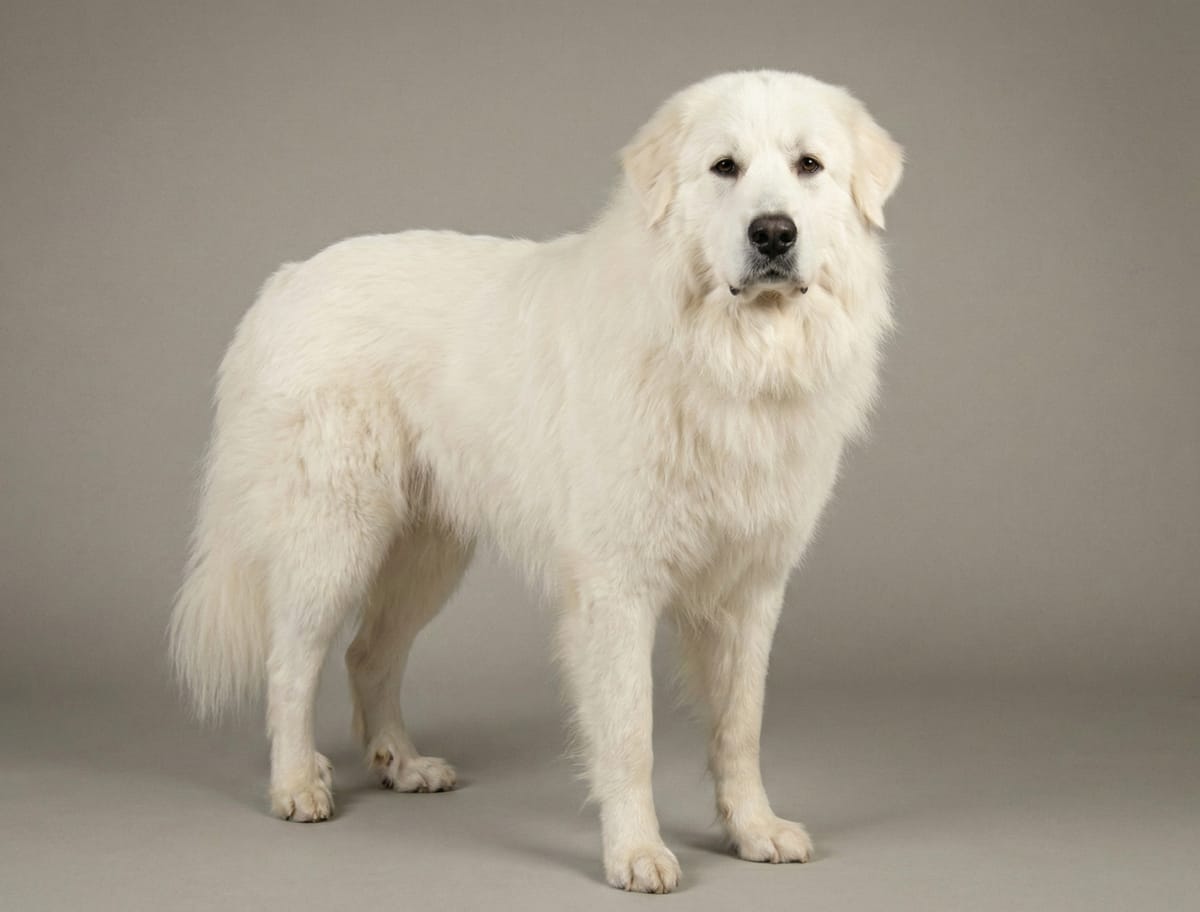
The Great Pyrenees' majestic size and gentle nature make them a beloved breed, but their unique characteristics also predispose them to specific health issues. Their thick, long double coat sheds heavily and can mat easily, while their giant size puts them at risk for hip dysplasia and bloat. As a responsible owner, it's essential to be aware of these potential health concerns and take proactive steps to prevent or manage them. The breed's low energy level and calm temperament can sometimes mask signs of illness or discomfort, making regular monitoring and veterinary check-ups crucial. By understanding the common health issues affecting Great Pyrenees, owners can provide the best possible care and help their dogs thrive. With their independent nature, Great Pyrenees require patient and attentive ownership to ensure they receive the care they need. Regular grooming and exercise, combined with a watchful eye for signs of illness, can help prevent or manage common health issues in Great Pyrenees. By prioritizing their health and well-being, owners can help their dogs live a long and healthy life, typically ranging from 10 to 12 years.
What to look for
Monitor for Hip Dysplasia
Great Pyrenees are prone to hip dysplasia due to their large size. Regular veterinary check-ups and monitoring for signs of arthritis or mobility issues can help identify potential problems early. Maintaining a healthy weight and providing orthopedic support can also help reduce the risk of hip dysplasia. Owners should be aware of the signs of hip dysplasia, including limping or reluctance to exercise, and consult a veterinarian if they notice any of these symptoms.
Prevent Bloat and Heat Sensitivity
The breed's deep chest and giant size make them susceptible to bloat, while their thick coat can lead to heat sensitivity. Owners should be aware of the signs of bloat, including restlessness and attempts to vomit, and seek immediate veterinary attention if they suspect bloat. To prevent heat sensitivity, owners should provide plenty of shade, water, and cool spaces, especially during summer months. Avoiding strenuous exercise during hot weather and monitoring for signs of heat exhaustion, such as panting or lethargy, can also help prevent heat-related illnesses.
Maintain Good Grooming Habits
The Great Pyrenees' thick coat requires regular grooming to prevent matting and tangling. Owners should brush their dog's coat several times a week, paying particular attention to areas prone to matting, such as the armpits and behind the ears. Regular grooming can also help reduce shedding and prevent hair from getting everywhere. Additionally, owners should trim their dog's nails regularly and clean their ears to prevent infections.
Watch for Patellar Luxation
Great Pyrenees can be prone to patellar luxation, a condition where the kneecap slips out of place. Owners should monitor their dog's gait and watch for signs of pain or discomfort, such as limping or whining. If a dog is experiencing patellar luxation, owners should consult a veterinarian to determine the best course of treatment. In some cases, surgery may be necessary to correct the condition.
Prioritize Regular Veterinary Check-Ups
Regular veterinary check-ups are essential for maintaining the health and well-being of Great Pyrenees. Owners should schedule annual check-ups with their veterinarian to monitor their dog's health and catch any potential issues early. Additionally, owners should stay up-to-date on their dog's vaccinations and preventatives, such as heartworm medication and flea control.
Frequently asked questions
How often should I groom my Great Pyrenees?
Great Pyrenees require regular grooming to prevent matting and tangling. Owners should brush their dog's coat several times a week, paying particular attention to areas prone to matting. Additionally, owners should trim their dog's nails regularly and clean their ears to prevent infections.
What are the signs of bloat in Great Pyrenees?
The signs of bloat in Great Pyrenees include restlessness, attempts to vomit, and a swollen abdomen. If an owner suspects bloat, they should seek immediate veterinary attention. Bloat is a life-threatening condition that requires prompt treatment.
Can Great Pyrenees tolerate hot weather?
Great Pyrenees are sensitive to hot weather due to their thick coat. Owners should provide plenty of shade, water, and cool spaces, especially during summer months. Avoiding strenuous exercise during hot weather and monitoring for signs of heat exhaustion can also help prevent heat-related illnesses.
How can I prevent hip dysplasia in my Great Pyrenees?
Maintaining a healthy weight and providing orthopedic support can help reduce the risk of hip dysplasia in Great Pyrenees. Regular veterinary check-ups and monitoring for signs of arthritis or mobility issues can also help identify potential problems early.
What is the average lifespan of a Great Pyrenees?
The average lifespan of a Great Pyrenees is 10-12 years. With proper care and attention to their health, many Great Pyrenees can live well into their teens. Regular veterinary check-ups, a healthy diet, and plenty of exercise and mental stimulation can all contribute to a long and healthy life.
By prioritizing their health and well-being, Great Pyrenees owners can help their dogs thrive and live a long, healthy life. Regular grooming, veterinary check-ups, and a watchful eye for signs of illness can all help prevent or manage common health issues in this breed. With their calm and gentle nature, Great Pyrenees make wonderful companions for active families and individuals who are willing to provide the care and attention they need. By staying informed and proactive, owners can help their Great Pyrenees live their best life.
More for your Great Pyrenees
Other breed-matched picks worth a look.