Common Himalayan Health Issues to Watch For
By PetEssentialist Team · Updated June 2026 · How we review
We independently research and pick every product. When you buy through our links we may earn a commission, at no extra cost to you. How this works.
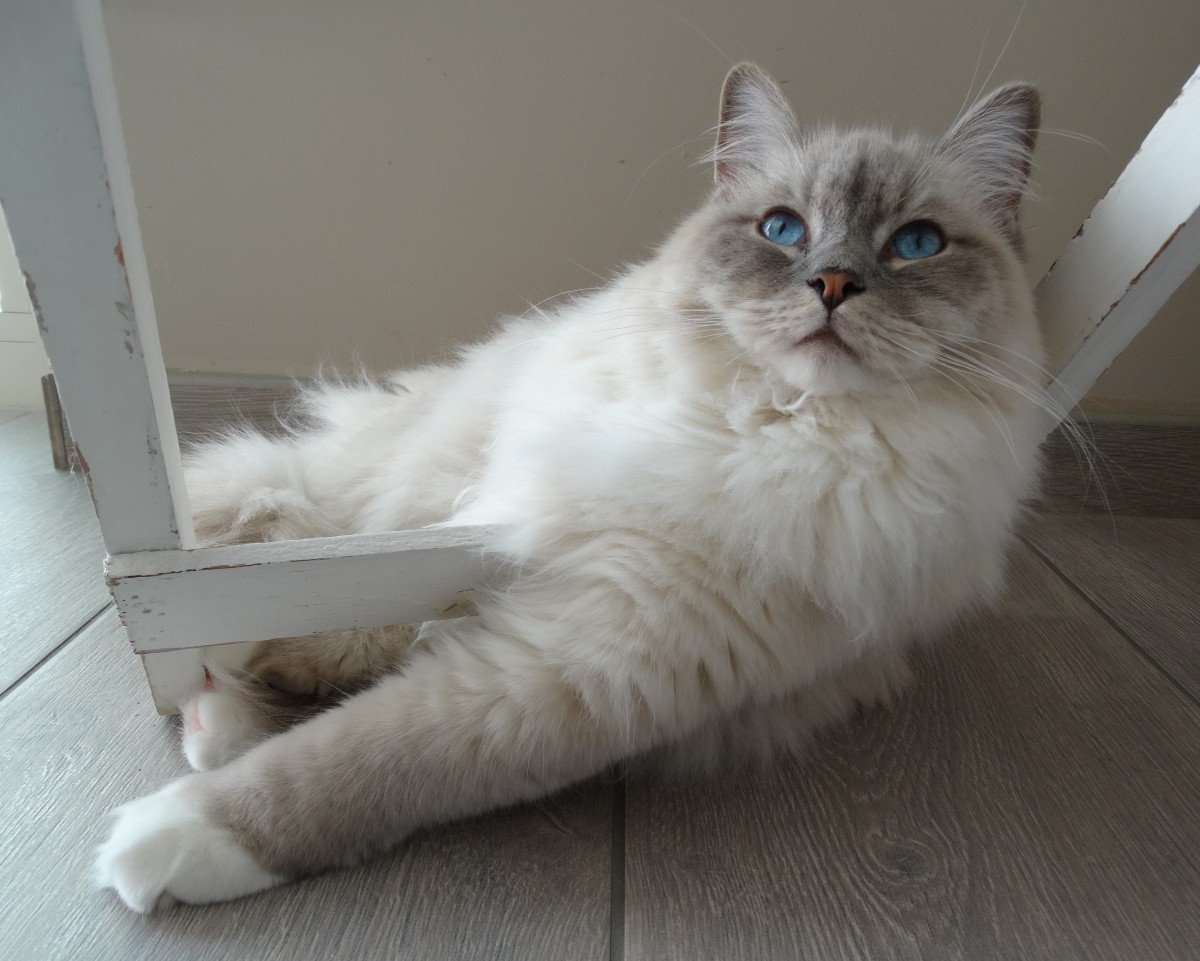
The Himalayan's stunning long coat requires daily grooming, but it's not just their appearance that needs attention. As a cross between a Persian and a Siamese, this breed is prone to specific health issues that owners should be aware of. With their calm and affectionate nature, Himalayans make wonderful companions, but their flat face and low energy level can increase the risk of certain health problems. One of the most critical aspects of Himalayan care is monitoring their health and taking preventative measures to avoid common issues such as polycystic kidney disease (PKD), brachycephalic airway syndrome, and dental disease. By understanding these potential health issues, owners can take proactive steps to ensure their Himalayan lives a long and healthy life. The breed's high shedding and grooming needs also play a role in their overall health, as hairballs and tear staining can be significant concerns. Regular veterinary check-ups, a balanced diet, and a clean living environment are essential for maintaining the Himalayan's health. Owners should also be aware of the signs of potential health issues, such as changes in appetite, vomiting, or difficulty breathing, and seek veterinary attention immediately if they notice any unusual symptoms.
What to look for
Daily Grooming
The Himalayan's long, thick coat requires daily grooming to prevent matting and tangling. This not only helps to reduce shedding but also prevents hairballs from forming. Owners should set aside time each day to gently brush their Himalayan's coat, paying particular attention to areas where matting tends to occur. Regular grooming also helps to reduce the risk of tear staining, which can be a significant issue in this breed.
Monitoring for PKD
Polycystic kidney disease (PKD) is a common health issue in Himalayans, and owners should work with their veterinarian to monitor their cat's kidney health. This may involve regular ultrasound screenings and blood tests to check for signs of kidney disease. By catching any potential issues early, owners can help to slow the progression of the disease and ensure their Himalayan receives the best possible care.
Dental Care
Dental disease is a significant concern in Himalayans, and owners should take steps to maintain their cat's oral health. This includes providing a balanced diet, brushing their teeth regularly, and scheduling annual dental cleanings with a veterinarian. By prioritizing dental care, owners can help to prevent painful dental problems and reduce the risk of related health issues.
Managing Brachycephalic Airway Syndrome
The Himalayan's flat face can increase the risk of brachycephalic airway syndrome, a condition that can cause breathing difficulties. Owners should be aware of the signs of this condition, such as wheezing, coughing, or difficulty breathing, and seek veterinary attention immediately if they notice any unusual symptoms. Keeping the home environment cool and well-ventilated can also help to reduce the risk of breathing difficulties.
Preventing Hairballs
Hairballs can be a significant issue in Himalayans, particularly during shedding season. Owners can help to prevent hairballs by providing a high-quality diet, ensuring their cat has access to plenty of fresh water, and using a humidifier to add moisture to the air. Regular grooming can also help to reduce the risk of hairballs, as it removes loose hair and prevents it from being swallowed.
Frequently asked questions
How often should I groom my Himalayan?
Daily grooming is essential for Himalayans, as it helps to prevent matting and tangling, reduces shedding, and prevents hairballs from forming. Owners should set aside time each day to gently brush their Himalayan's coat, paying particular attention to areas where matting tends to occur.
What are the signs of PKD in Himalayans?
The signs of PKD in Himalayans can include increased thirst and urination, vomiting, and weight loss. Owners should work with their veterinarian to monitor their cat's kidney health and catch any potential issues early.
How can I prevent dental disease in my Himalayan?
Providing a balanced diet, brushing their teeth regularly, and scheduling annual dental cleanings with a veterinarian can help to prevent dental disease in Himalayans. Owners should also monitor their cat's oral health and seek veterinary attention if they notice any signs of dental problems, such as bad breath or yellow teeth.
What is brachycephalic airway syndrome, and how can I manage it?
Brachycephalic airway syndrome is a condition that can cause breathing difficulties in flat-faced breeds like the Himalayan. Owners can help to manage this condition by keeping the home environment cool and well-ventilated, providing plenty of fresh water, and seeking veterinary attention immediately if they notice any unusual symptoms.
How can I reduce the risk of tear staining in my Himalayan?
Regular grooming, a balanced diet, and keeping the eyes clean can help to reduce the risk of tear staining in Himalayans. Owners should also monitor their cat's eye health and seek veterinary attention if they notice any signs of eye problems, such as redness or discharge.
By understanding the common health issues that affect Himalayans and taking proactive steps to prevent them, owners can help their cat live a long and healthy life. Prioritizing daily grooming, monitoring for PKD, and maintaining good oral health are essential for keeping the Himalayan healthy and happy. With the right care and attention, this beautiful and affectionate breed can thrive and bring joy to their owners for many years.
More for your Himalayan
Other breed-matched picks worth a look.