Common Maine Coon Health Issues to Watch For
By PetEssentialist Team · Updated June 2026 · How we review
We independently research and pick every product. When you buy through our links we may earn a commission, at no extra cost to you. How this works.
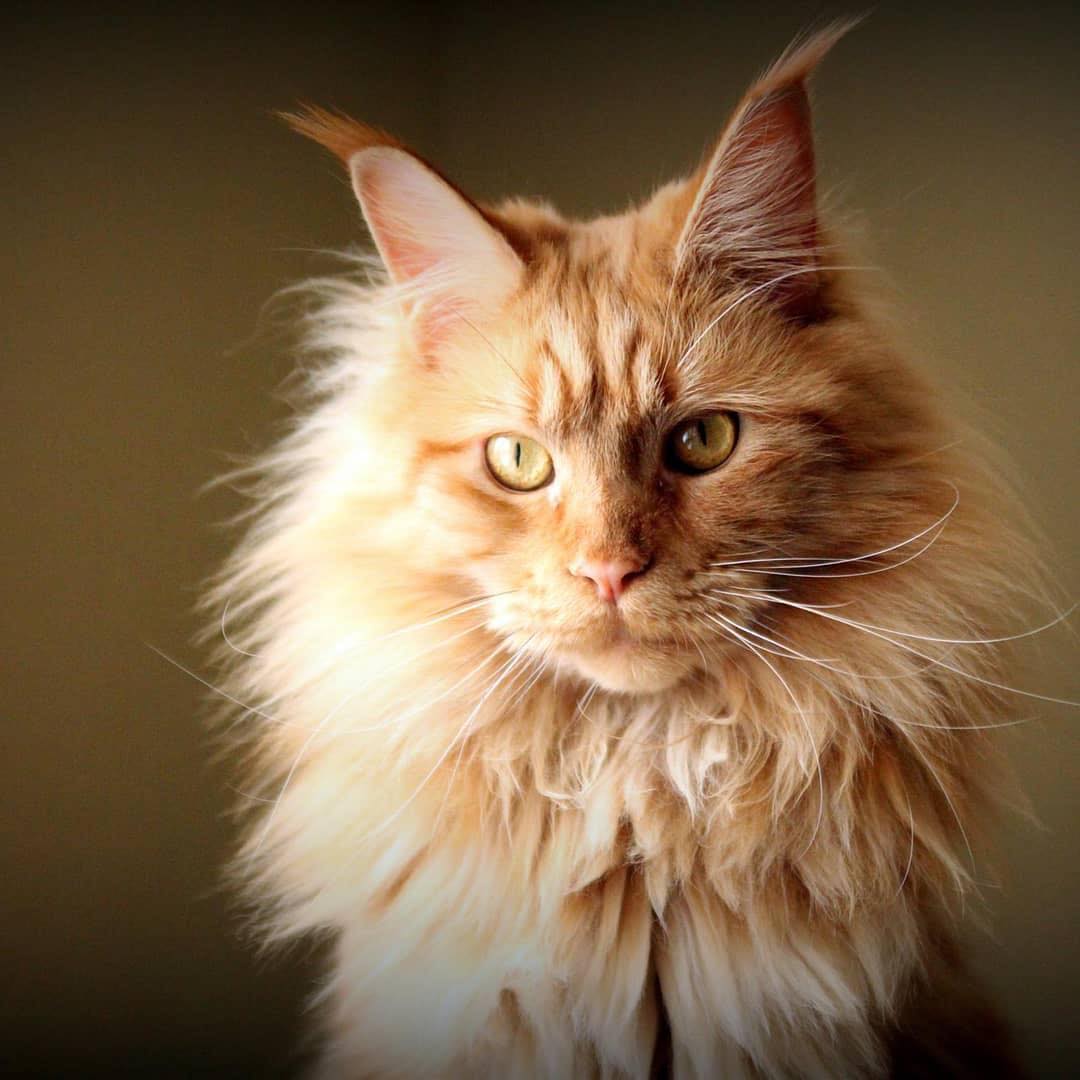
The Maine Coon's large size and long, shaggy coat make them prone to certain health issues. Their gentle and playful nature can sometimes mask early signs of illness, making regular monitoring crucial. As the largest domestic breed, Maine Coons require careful attention to their overall health, particularly when it comes to their heart and joints. Their high shedding and matting coat also necessitate regular grooming to prevent hairballs and skin irritation. With a lifespan of 12-15 years, Maine Coon owners should be aware of the common health issues that can affect their cat's quality of life, and take proactive steps to prevent or manage them.
What to look for
Regular Grooming
Maine Coons require regular grooming to prevent matting and tangling of their coat, which can lead to skin irritation and hairballs. Daily brushing can help reduce shedding and prevent hairballs. Owners should also trim their cat's coat regularly, especially around the eyes and ears, to prevent irritation and infection.
Heart Health Monitoring
Hypertrophic cardiomyopathy (HCM) is a common heart condition in Maine Coons, which can lead to heart failure if left untreated. Owners should work with their veterinarian to monitor their cat's heart health, including regular check-ups and echocardiograms. Early detection and treatment can significantly improve a cat's quality of life.
Joint Care and Exercise
Maine Coons are prone to hip dysplasia, which can lead to arthritis and mobility issues. Owners should provide their cat with regular exercise, such as playtime and short walks, to maintain joint health. They should also consider providing a comfortable and supportive living space, including a large litter box and sturdy scratching posts.
Dental Care and Nutrition
Dental disease is a common issue in Maine Coons, which can lead to pain, infection, and other health problems. Owners should provide their cat with regular dental care, including brushing and veterinary cleanings. They should also feed a high-quality diet that meets their cat's nutritional needs, and avoid giving them table scraps or treats that can contribute to dental problems.
Regular Veterinary Check-Ups
Regular veterinary check-ups are crucial for maintaining a Maine Coon's overall health. Owners should schedule regular check-ups with their veterinarian, ideally every 6-12 months, to monitor their cat's health and catch any potential issues early. This can help prevent or manage common health issues, and improve their cat's quality of life.
Frequently asked questions
How often should I groom my Maine Coon?
Maine Coons require regular grooming to prevent matting and tangling of their coat. Daily brushing is recommended, with more thorough grooming sessions 1-2 times a week. This can help reduce shedding and prevent hairballs.
What are the signs of hypertrophic cardiomyopathy (HCM) in Maine Coons?
Signs of HCM in Maine Coons can include shortness of breath, fatigue, and pale gums. Owners should also be aware of any changes in their cat's behavior, such as difficulty jumping or playing. If you suspect your cat has HCM, consult with your veterinarian immediately.
Can Maine Coons be prone to obesity?
Yes, Maine Coons can be prone to obesity, particularly if they are overfed or do not receive enough exercise. Owners should monitor their cat's food intake and ensure they are providing regular playtime and activity to maintain a healthy weight.
How can I prevent hairballs in my Maine Coon?
Hairballs can be prevented by regular grooming, including daily brushing and more thorough grooming sessions 1-2 times a week. Owners can also try feeding a high-fiber diet or using a hairball remedy to help reduce shedding and prevent hairballs.
What is the average lifespan of a Maine Coon?
The average lifespan of a Maine Coon is 12-15 years, although some cats have been known to live up to 18 years or more with proper care and attention. Regular veterinary check-ups and a healthy lifestyle can help ensure your cat lives a long and happy life.
By prioritizing their cat's health and taking proactive steps to prevent common issues, Maine Coon owners can help their cat live a long and happy life. Regular grooming, heart health monitoring, and joint care are all crucial for maintaining a Maine Coon's overall health. Owners should work with their veterinarian to develop a comprehensive care plan that meets their cat's unique needs.
More for your Maine Coon
Other breed-matched picks worth a look.