Common Newfoundland Health Issues to Watch For
By PetEssentialist Team · Updated June 2026 · How we review
We independently research and pick every product. When you buy through our links we may earn a commission, at no extra cost to you. How this works.
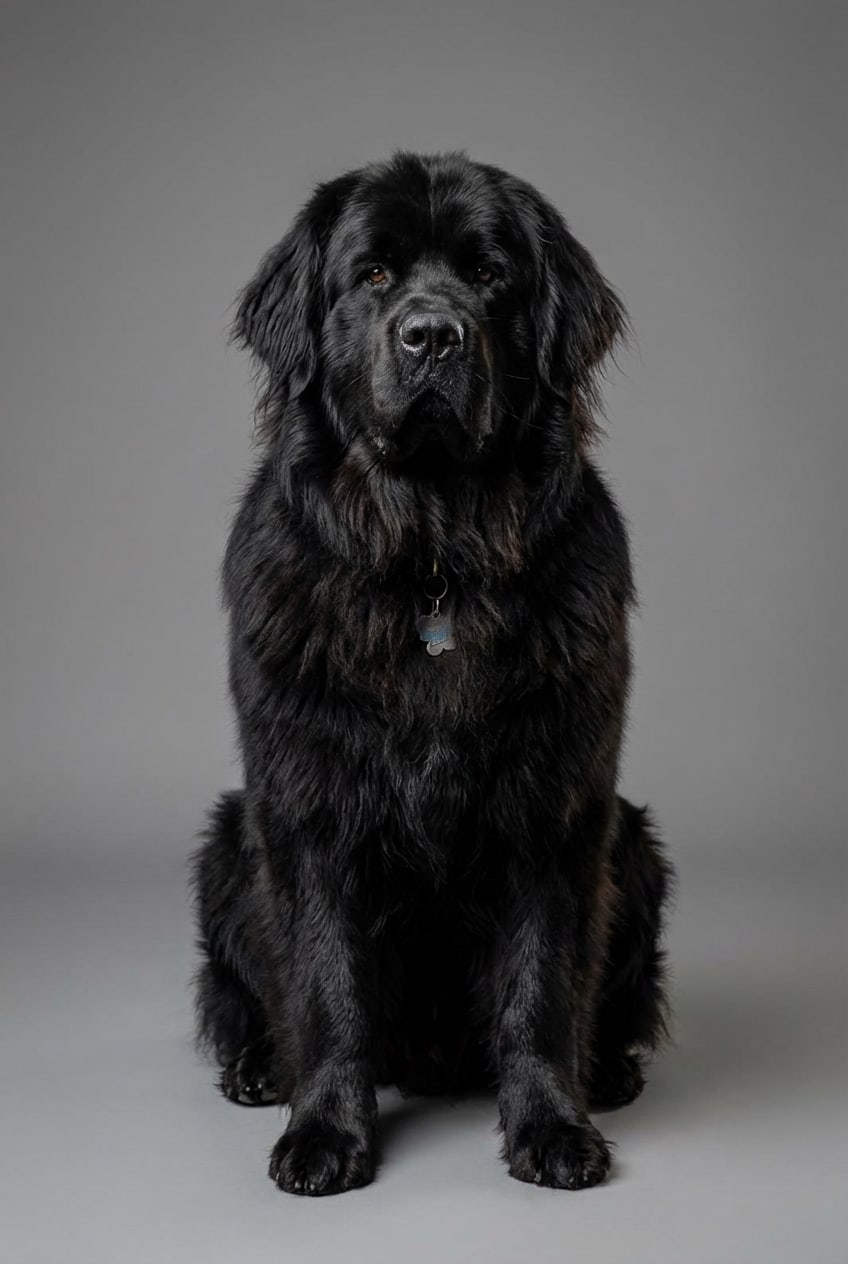
Newfoundlands are prone to specific health issues due to their giant size, thick coat, and gentle nature. Their heavy, water-resistant coat requires regular grooming to prevent matting and shedding, which can lead to skin irritation. Additionally, their low energy level and calm temperament make them more susceptible to weight gain and associated health problems, such as hip dysplasia and heart conditions. As a responsible Newfoundland owner, it's essential to be aware of these potential health issues and take proactive steps to prevent or manage them. Regular veterinary check-ups, a balanced diet, and a comfortable living environment can help mitigate the risk of these conditions. Furthermore, Newfoundlands are prone to drooling and heat sensitivity, which requires special attention and care. By understanding the common health issues affecting Newfoundlands and taking preventative measures, owners can help their dogs lead happy and healthy lives. This guide provides an overview of the most critical health issues to watch for and offers practical advice on everyday prevention and when to consult a veterinarian.
What to look for
Regular Grooming
Newfoundlands require regular grooming to prevent matting and shedding, which can lead to skin irritation. Daily brushing and regular bathing can help keep their coat clean and healthy. Additionally, trimming their nails and cleaning their ears regularly can help prevent infections.
Weight Management
Newfoundlands are prone to weight gain, which can exacerbate health issues such as hip dysplasia and heart conditions. A balanced diet and regular exercise can help maintain a healthy weight. Owners should monitor their dog's food intake and ensure they get regular, gentle exercise, such as short walks and playtime.
Comfortable Living Environment
Newfoundlands need a comfortable living environment to prevent health issues such as hip dysplasia and bloat. Providing an orthopedic bed and a cool, well-ventilated space can help reduce the risk of these conditions. Additionally, owners should ensure their dog has access to plenty of fresh water and a balanced diet.
Heat Sensitivity Prevention
Newfoundlands are prone to heat sensitivity due to their thick coat, so owners should take precautions to prevent overheating. Providing a cool, well-ventilated space and avoiding exercise during hot weather can help reduce the risk of heat-related illnesses. Owners should also monitor their dog's temperature and behavior, seeking veterinary attention if they show signs of heat stress.
Regular Veterinary Check-Ups
Regular veterinary check-ups are crucial for preventing and managing health issues in Newfoundlands. Owners should schedule annual check-ups and follow their veterinarian's advice on preventative care, such as vaccinations and parasite control. Additionally, owners should seek veterinary attention immediately if they notice any signs of illness or injury in their dog.
Frequently asked questions
How often should I groom my Newfoundland?
Newfoundlands require daily brushing and regular bathing to prevent matting and shedding. Owners should also trim their nails and clean their ears regularly to prevent infections.
What are the signs of hip dysplasia in Newfoundlands?
Signs of hip dysplasia in Newfoundlands include limping, stiffness, and difficulty rising from a lying down position. Owners should consult their veterinarian if they notice any of these symptoms in their dog.
How can I prevent bloat in my Newfoundland?
Owners can help prevent bloat in their Newfoundland by feeding a balanced diet, avoiding exercise after meals, and providing a comfortable living environment. They should also monitor their dog's behavior and seek veterinary attention immediately if they show signs of bloat, such as vomiting or restlessness.
Why is my Newfoundland drooling excessively?
Newfoundlands are prone to drooling due to their facial structure and loose lips. However, excessive drooling can be a sign of underlying health issues, such as tooth problems or digestive issues. Owners should consult their veterinarian if they notice excessive drooling in their dog.
When should I seek veterinary attention for my Newfoundland?
Owners should seek veterinary attention immediately if they notice any signs of illness or injury in their Newfoundland, such as vomiting, diarrhea, or difficulty breathing. They should also consult their veterinarian if they have concerns about their dog's health or behavior, or if they notice any changes in their dog's appetite, energy level, or overall well-being.
For Newfoundland owners, preventing and managing common health issues requires a proactive approach. By providing regular grooming, a balanced diet, and a comfortable living environment, owners can help reduce the risk of health issues such as hip dysplasia, bloat, and heat sensitivity. Consult our product picks for guidance on the best gear and supplies for your Newfoundland, and always consult a veterinarian for personalized advice on their health and well-being.
More for your Newfoundland
Other breed-matched picks worth a look.