Common Persian Health Issues to Watch For
By PetEssentialist Team · Updated June 2026 · How we review
We independently research and pick every product. When you buy through our links we may earn a commission, at no extra cost to you. How this works.
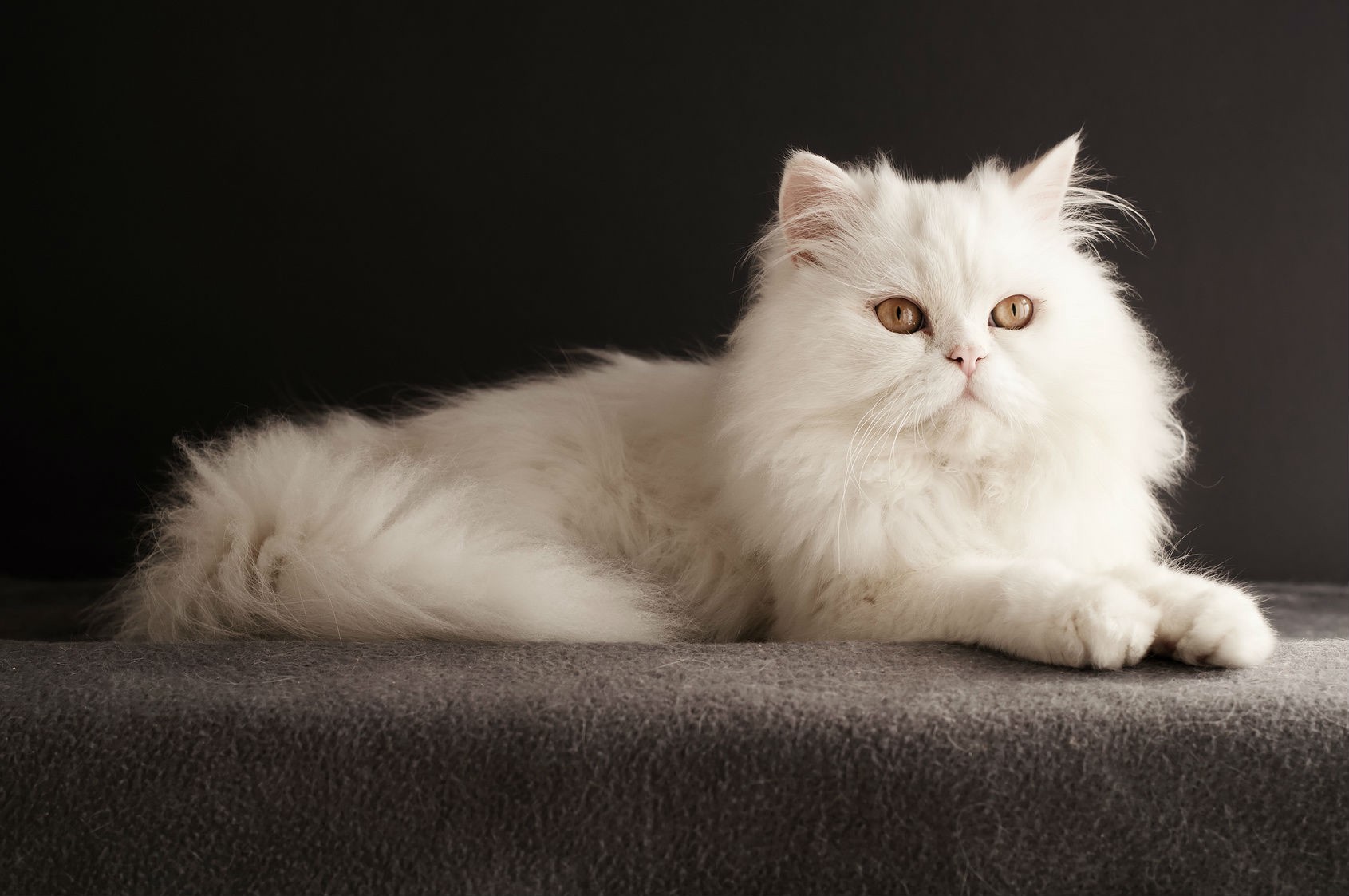
The Persian's flat face and dense coat make them prone to serious health issues, including brachycephalic airway syndrome and hairballs. Regular grooming and monitoring are crucial to prevent these problems. Daily wiping of the eyes and mouth, as well as frequent brushing of the coat, can help reduce the risk of tear staining and hairballs. Persian cats are also at risk for polycystic kidney disease (PKD), a genetic disorder that can lead to kidney failure. While there is no cure for PKD, regular check-ups with a veterinarian and a healthy diet can help manage the condition. As a Persian owner, it's essential to be aware of these potential health issues and take steps to prevent them. By providing proper care and attention, owners can help their Persian cats live a long and healthy life.
What to look for
Daily Grooming
Persian cats require daily grooming to prevent matting and tangling of their dense coat. This can be a time-consuming process, but it's essential to prevent hairballs and reduce shedding. Owners should set aside at least 30 minutes a day to brush their Persian's coat, paying particular attention to the areas around the eyes and mouth.
Regular Veterinary Check-Ups
Regular check-ups with a veterinarian are crucial to monitor the Persian's health and catch any potential issues early. Owners should schedule annual check-ups, or more frequently if recommended by their veterinarian. This can help identify problems such as PKD, dental disease, and brachycephalic airway syndrome before they become severe.
Proper Nutrition
A healthy diet is essential for Persian cats, particularly those with PKD or other health issues. Owners should choose a high-quality cat food that is rich in protein and low in salt, and consult with their veterinarian to determine the best diet for their cat.
Monitoring for Signs of Illness
Persian owners should be aware of the signs of illness in their cat, such as vomiting, diarrhea, or difficulty breathing. If any of these symptoms occur, owners should seek veterinary attention immediately. It's also essential to monitor the cat's appetite, water intake, and stool quality, as changes in these areas can indicate underlying health issues.
Creating a Low-Stress Environment
Persian cats are prone to stress, which can exacerbate health issues such as brachycephalic airway syndrome. Owners can create a low-stress environment by providing a quiet, comfortable space for their cat to rest, and minimizing changes to the cat's routine.
Frequently asked questions
How often should I groom my Persian cat?
Persian cats require daily grooming to prevent matting and tangling of their dense coat. This can be a time-consuming process, but it's essential to prevent hairballs and reduce shedding. Owners should set aside at least 30 minutes a day to brush their Persian's coat.
What are the signs of polycystic kidney disease (PKD) in Persian cats?
The signs of PKD in Persian cats can include increased thirst and urination, vomiting, and weight loss. If owners notice any of these symptoms, they should seek veterinary attention immediately.
Can I prevent brachycephalic airway syndrome in my Persian cat?
While it's not possible to completely prevent brachycephalic airway syndrome, owners can take steps to reduce the risk. This includes providing a cool, well-ventilated environment, avoiding strenuous exercise, and keeping the cat at a healthy weight.
How can I reduce tear staining in my Persian cat?
Tear staining can be reduced by daily wiping of the eyes and mouth, as well as frequent brushing of the coat. Owners can also try using a damp cloth to wipe away tears and debris, and consult with their veterinarian for recommendations on reducing tear staining.
What is the average lifespan of a Persian cat?
The average lifespan of a Persian cat is 10-17 years, depending on various factors such as diet, lifestyle, and health conditions. With proper care and attention, many Persian cats can live well into their teens.
By following these guidelines and being aware of the potential health issues that can affect Persian cats, owners can help their pets live a long and healthy life. Daily grooming, regular veterinary check-ups, and a healthy diet are essential to preventing and managing health issues such as PKD, brachycephalic airway syndrome, and dental disease. Owners who are willing to invest time and effort into their Persian's care can reap the rewards of a happy and healthy companion.
More for your Persian
Other breed-matched picks worth a look.