Common Pomeranian Health Issues to Watch For
By PetEssentialist Team · Updated June 2026 · How we review
We independently research and pick every product. When you buy through our links we may earn a commission, at no extra cost to you. How this works.
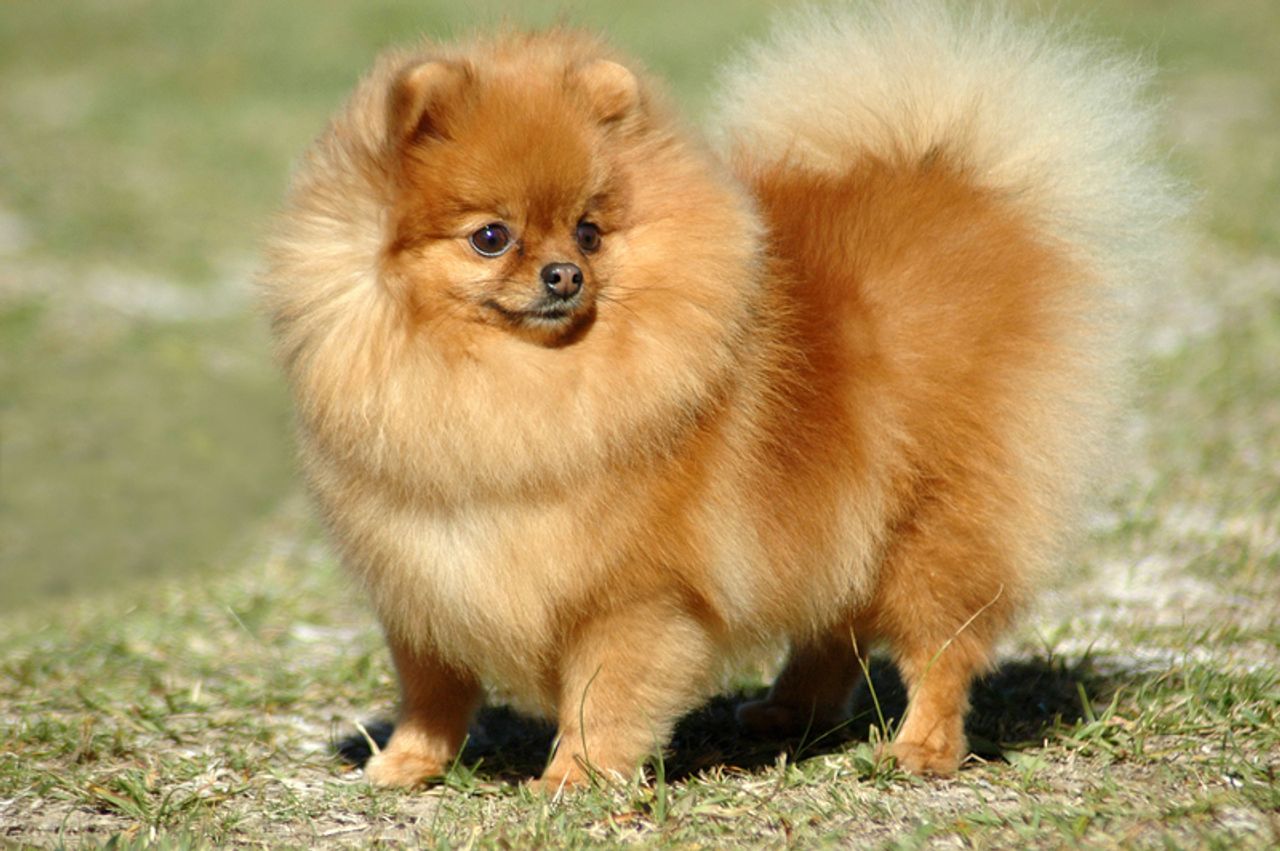
Pomeranians are prone to collapsing trachea, a condition that can be life-threatening if not addressed promptly. This is particularly concerning for owners of this breed, as their small size and fragile trachea make them more susceptible to this issue. As a result, it is essential for Pomeranian owners to be aware of the signs of collapsing trachea, such as coughing, wheezing, and difficulty breathing, and to take steps to prevent it, such as using a harness instead of a collar and avoiding excessive exercise. In addition to collapsing trachea, Pomeranians are also at risk for other health issues, including patellar luxation, dental disease, and coat loss. Their thick double coat requires frequent brushing to prevent matting and tangling, and their small mouth requires careful attention to dental health. By understanding these potential health issues and taking steps to prevent them, Pomeranian owners can help their pets live long, healthy lives. With their lively, bold, and inquisitive personalities, Pomeranians can be a joy to own, but their delicate size and specific health needs require careful attention and management. By being aware of the potential health issues that can affect this breed and taking steps to prevent them, owners can help their Pomeranians thrive.
What to look for
Preventing Collapsing Trachea
To prevent collapsing trachea, Pomeranian owners should use a harness instead of a collar, as collars can put pressure on the trachea and exacerbate the condition. They should also avoid excessive exercise, especially in hot or humid weather, and provide regular breaks for rest and relaxation. Additionally, owners should monitor their Pomeranian's breathing and watch for signs of distress, such as coughing or wheezing.
Maintaining Dental Health
Pomeranians are prone to dental disease, which can lead to serious health issues if left untreated. To maintain their dental health, owners should provide regular dental care, including brushing their teeth daily and providing dental chews or toys. They should also schedule regular dental check-ups with their veterinarian to catch any potential issues early.
Managing Coat Health
Pomeranians have a thick double coat that requires frequent brushing to prevent matting and tangling. Owners should brush their Pomeranian's coat at least several times a week, and consider using a detangling spray or conditioner to make the process easier. They should also be aware of the signs of coat loss, such as excessive shedding or bald patches, and consult with their veterinarian if they notice any unusual changes in their Pomeranian's coat.
Supporting Joint Health
Pomeranians are prone to patellar luxation, a condition that can cause pain and discomfort in the joints. To support their joint health, owners should provide regular exercise, such as short walks and playtime, and consider using a joint supplement or adding joint-friendly ingredients to their food. They should also avoid excessive jumping or strenuous activity, which can put additional stress on the joints.
Monitoring Overall Health
Pomeranian owners should monitor their pet's overall health closely, watching for signs of illness or distress, such as vomiting, diarrhea, or lethargy. They should schedule regular check-ups with their veterinarian to catch any potential issues early, and be aware of the signs of serious health issues, such as collapsing trachea or dental disease.
Frequently asked questions
How often should I brush my Pomeranian's coat?
Pomeranians require frequent brushing to prevent matting and tangling, so owners should aim to brush their coat at least several times a week. This can help prevent hairballs and reduce shedding, and can also help owners detect any potential skin issues or irritations early.
What are the signs of collapsing trachea in Pomeranians?
The signs of collapsing trachea in Pomeranians can include coughing, wheezing, and difficulty breathing, as well as a bluish tint to the gums or lips. If owners notice any of these symptoms, they should seek veterinary attention immediately, as collapsing trachea can be life-threatening if left untreated.
How can I prevent dental disease in my Pomeranian?
To prevent dental disease in Pomeranians, owners should provide regular dental care, including brushing their teeth daily and providing dental chews or toys. They should also schedule regular dental check-ups with their veterinarian to catch any potential issues early, and consider using a water additive or dental spray to help reduce plaque and tartar.
What are the signs of patellar luxation in Pomeranians?
The signs of patellar luxation in Pomeranians can include pain or stiffness in the joints, as well as a clicking or snapping sound when the knee is bent. If owners notice any of these symptoms, they should consult with their veterinarian, as patellar luxation can cause significant pain and discomfort if left untreated.
How often should I take my Pomeranian to the vet?
Pomeranian owners should schedule regular check-ups with their veterinarian, ideally every 6-12 months, to catch any potential health issues early. They should also seek veterinary attention immediately if they notice any signs of illness or distress, such as vomiting, diarrhea, or lethargy.
By understanding the potential health issues that can affect Pomeranians and taking steps to prevent them, owners can help their pets live long, healthy lives. Regular veterinary check-ups, proper dental care, and frequent brushing can all help prevent common health issues, while a harness and careful exercise can help prevent collapsing trachea. With careful attention and management, Pomeranians can thrive and bring joy and companionship to their owners for many years.
More for your Pomeranian
Other breed-matched picks worth a look.