Common Poodle (Standard) Health Issues to Watch For
By PetEssentialist Team · Updated June 2026 · How we review
We independently research and pick every product. When you buy through our links we may earn a commission, at no extra cost to you. How this works.
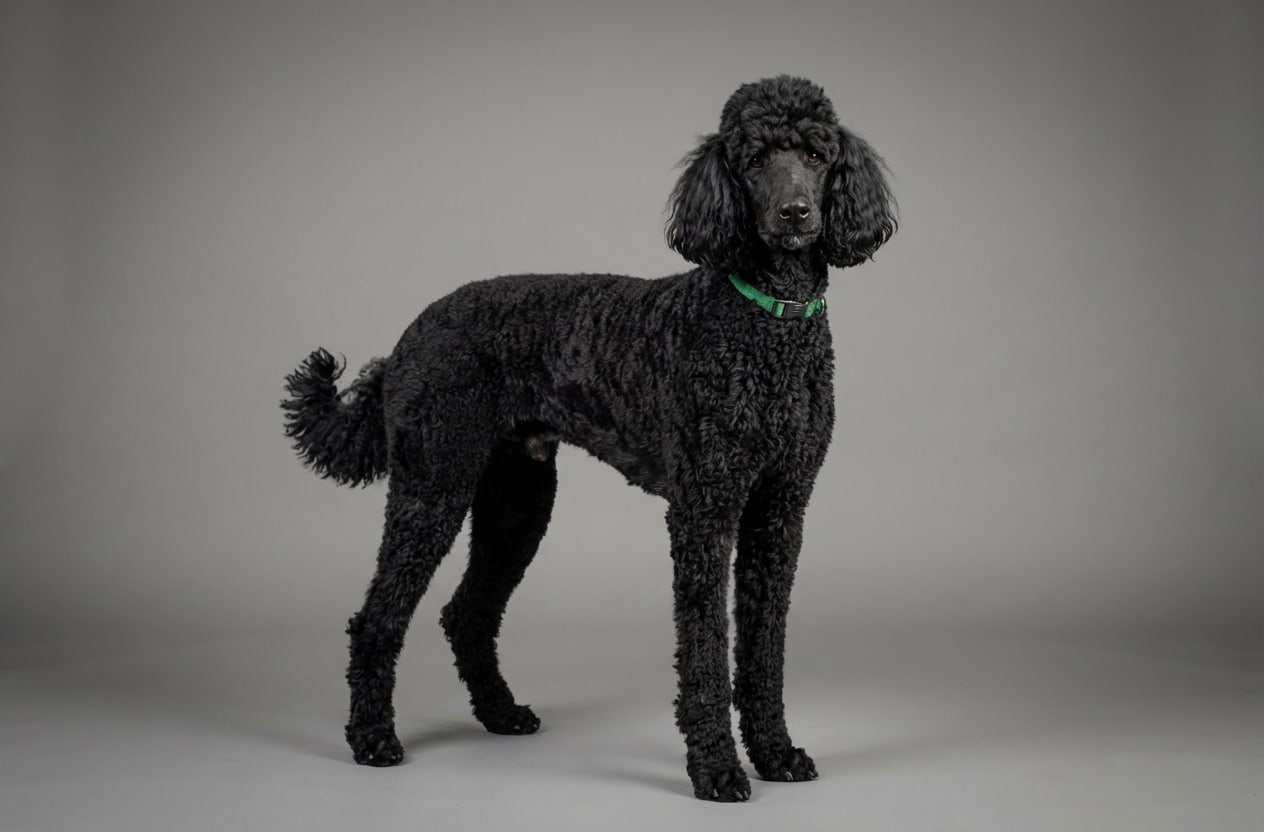
The Poodle's distinctive curly coat and high energy level make it a beloved breed, but its large size and low-shedding characteristics also create unique health challenges. Owners of Standard Poodles need to be vigilant about monitoring their dog's health, as the breed is predisposed to certain conditions such as hip dysplasia, bloat, and eye problems. Regular grooming is also essential to prevent matting and tangling of the coat, which can lead to skin irritation and other issues. With their high intelligence and athleticism, Standard Poodles require regular exercise and mental stimulation to prevent boredom and stress, which can exacerbate health problems. A well-cared-for Standard Poodle can live up to 12-15 years, making it a long-term companion that requires careful attention to its health needs. By understanding the common health issues that affect the breed, owners can take proactive steps to prevent or manage these conditions and ensure their dog leads a happy and healthy life. As a responsible Poodle owner, it's essential to stay informed about the potential health risks associated with the breed and take practical steps to mitigate them. This guide provides a comprehensive overview of the common health issues that affect Standard Poodles, as well as everyday prevention strategies and guidance on when to consult a veterinarian.
What to look for
Monitor for Hip Dysplasia
Standard Poodles are prone to hip dysplasia, a condition that can cause arthritis and mobility problems. Owners should monitor their dog's gait and movement, looking for signs of stiffness or difficulty rising from a lying down position. Regular veterinary check-ups can help identify the condition early on, and preventative measures such as maintaining a healthy weight and providing regular exercise can help reduce the risk.
Prevent Bloat and GDV
Bloat and gastric dilatation-volvulus (GDV) are life-threatening conditions that can affect Standard Poodles. Owners can reduce the risk by feeding multiple small meals throughout the day, avoiding exercise after meals, and monitoring their dog's behavior for signs of distress or discomfort. It's also essential to have a plan in place in case of an emergency, including knowing the location of the nearest veterinary hospital.
Maintain Good Eye Health
Standard Poodles are susceptible to various eye conditions, including cataracts, progressive retinal atrophy, and retinal dysplasia. Regular eye exams can help identify potential problems early on, and owners should monitor their dog's eyes for signs of redness, discharge, or squinting. Keeping the eyes clean and dry can also help prevent infections and other issues.
Prevent Ear Infections
The Poodle's curly coat can make it prone to ear infections, especially if the ears are not cleaned regularly. Owners should check their dog's ears weekly for signs of redness, odor, or discharge, and clean the ears gently with a cotton ball and dog ear cleaner. Regular grooming can also help prevent matting and tangling of the coat around the ears, which can contribute to infection.
Stay Informed and Vigilant
Standard Poodle owners should stay informed about the latest research and developments in canine health, and be vigilant about monitoring their dog's health and behavior. Regular veterinary check-ups, a balanced diet, and plenty of exercise and mental stimulation can all help prevent or manage common health issues. By being proactive and informed, owners can help their Standard Poodle live a long, happy, and healthy life.
Frequently asked questions
How often should I groom my Standard Poodle?
Standard Poodles require regular grooming to prevent matting and tangling of the coat, which can lead to skin irritation and other issues. Owners should aim to groom their dog at least once a week, and more frequently if possible.
What are the signs of bloat in a Standard Poodle?
The signs of bloat in a Standard Poodle can include restlessness, pacing, drooling, and attempts to vomit or belch. If you suspect your dog has bloat, it's essential to seek veterinary attention immediately.
Can I prevent hip dysplasia in my Standard Poodle?
While hip dysplasia can't be completely prevented, owners can take steps to reduce the risk by maintaining a healthy weight, providing regular exercise, and avoiding excessive jumping or high-impact activities.
How often should I take my Standard Poodle to the vet?
Standard Poodles should have regular veterinary check-ups at least once a year, and more frequently as they age or if they have underlying health conditions. Owners should also seek veterinary attention immediately if they notice any signs of illness or distress in their dog.
What are the most common health issues in Standard Poodles?
The most common health issues in Standard Poodles include hip dysplasia, bloat, eye conditions, and ear infections. Owners should be aware of these potential health risks and take proactive steps to prevent or manage them.
By understanding the common health issues that affect Standard Poodles and taking proactive steps to prevent or manage them, owners can help their dog live a long, happy, and healthy life. Regular grooming, veterinary check-ups, and a balanced lifestyle are all essential for maintaining the health and well-being of this beloved breed. Owners who are willing to invest time and effort into their Standard Poodle's care can reap the rewards of a loyal and loving companion for many years to come.
More for your Poodle (Standard)
Other breed-matched picks worth a look.