Common Pug Health Issues to Watch For
By PetEssentialist Team · Updated June 2026 · How we review
We independently research and pick every product. When you buy through our links we may earn a commission, at no extra cost to you. How this works.
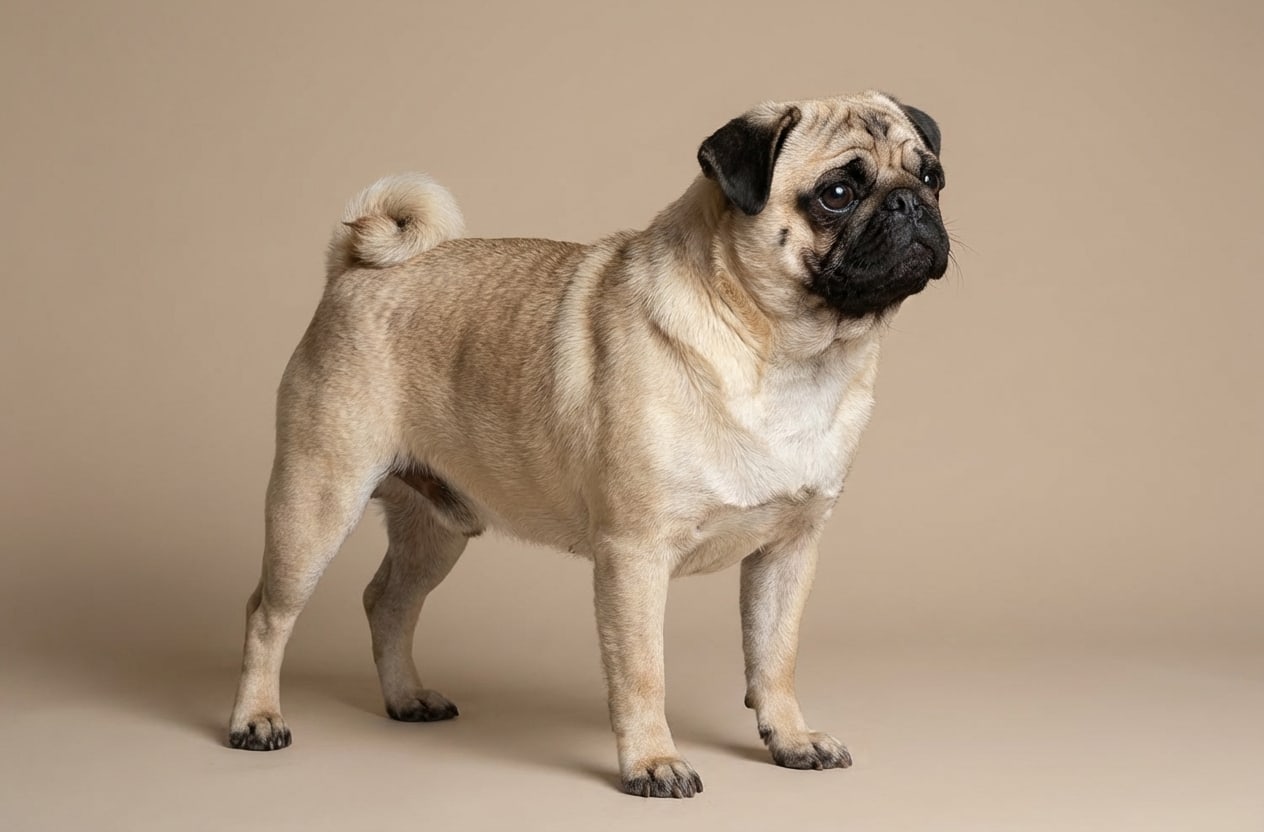
Pug owners face a unique set of health challenges due to the breed's distinctive physical characteristics. The Pug's flat face and short nasal passages make them prone to brachycephalic airway syndrome, a potentially life-threatening condition that requires immediate veterinary attention. As a result, monitoring their breathing and watching for signs of distress is crucial. Despite their small size, Pugs are surprisingly heavy shedders, and their short double coat requires regular grooming to prevent matting and tangling. Additionally, their facial folds need regular cleaning to prevent skin fold dermatitis, a common issue in the breed. With their charming and even-tempered nature, it's easy to forget that Pugs are also prone to obesity, which can exacerbate existing health issues. By understanding the specific health needs of the Pug breed, owners can take proactive steps to prevent and identify potential issues, ensuring their pet lives a long and healthy life.
What to look for
Monitor Breathing
Due to their brachycephalic airway, Pugs are sensitive to heat, humidity, and strenuous exercise, which can trigger breathing difficulties. Owners should watch for signs of distress, such as rapid breathing, panting, or coughing, and seek veterinary attention immediately if they occur. Regular check-ups with a veterinarian can help identify any potential issues early on. It's also essential to keep Pugs in air-conditioned spaces during hot weather and avoid exercising them in extreme temperatures.
Maintain a Healthy Weight
Pugs are prone to obesity, which can exacerbate existing health issues, such as brachycephalic airway syndrome and joint problems. Owners should monitor their Pug's weight and adjust their diet and exercise accordingly. A balanced diet and regular, gentle exercise can help prevent weight gain and maintain overall health. It's also crucial to avoid overfeeding and limit treats, as Pugs can be prone to overeating.
Clean Facial Folds Regularly
Pugs' facial folds can trap dirt, moisture, and bacteria, leading to skin fold dermatitis. Owners should clean their Pug's facial folds daily, using a gentle cleanser and drying the area thoroughly to prevent infection. Regular cleaning can help prevent skin fold dermatitis and reduce the risk of other health issues.
Watch for Eye Problems
Pugs are prone to eye problems, such as proptosis and entropion, due to their shallow eye sockets. Owners should monitor their Pug's eyes for signs of redness, discharge, or squinting, and seek veterinary attention if they occur. Regular eye exams can help identify potential issues early on, and preventative measures, such as cleaning the eyes daily, can help reduce the risk of eye problems.
Provide Regular Veterinary Care
Regular veterinary check-ups are crucial for maintaining a Pug's health. Owners should schedule annual check-ups, and more frequent visits if their Pug has a pre-existing condition. A veterinarian can help identify potential health issues early on, provide guidance on preventative care, and offer advice on maintaining a healthy weight and preventing common health issues.
Frequently asked questions
How often should I clean my Pug's facial folds?
It's recommended to clean your Pug's facial folds daily, using a gentle cleanser and drying the area thoroughly to prevent infection. This can help prevent skin fold dermatitis and reduce the risk of other health issues.
What are the signs of brachycephalic airway syndrome in Pugs?
Signs of brachycephalic airway syndrome in Pugs include rapid breathing, panting, coughing, and difficulty breathing. If you notice any of these symptoms, seek veterinary attention immediately.
Can Pugs tolerate high temperatures?
No, Pugs are sensitive to heat and humidity due to their brachycephalic airway. They should be kept in air-conditioned spaces during hot weather, and exercise should be limited to cooler temperatures and shorter durations.
How can I prevent my Pug from becoming obese?
To prevent obesity in Pugs, monitor their weight and adjust their diet and exercise accordingly. A balanced diet and regular, gentle exercise can help maintain overall health. It's also crucial to avoid overfeeding and limit treats, as Pugs can be prone to overeating.
What are the common eye problems in Pugs?
Pugs are prone to eye problems, such as proptosis and entropion, due to their shallow eye sockets. Regular eye exams can help identify potential issues early on, and preventative measures, such as cleaning the eyes daily, can help reduce the risk of eye problems.
By understanding the specific health needs of the Pug breed and taking proactive steps to prevent and identify potential issues, owners can help their pet live a long and healthy life. Regular veterinary care, monitoring of breathing and weight, and preventative measures, such as cleaning facial folds and eyes, are crucial for maintaining a Pug's health. With the right care and attention, Pugs can thrive and bring joy and companionship to their owners.
More for your Pug
Other breed-matched picks worth a look.