Common Ragdoll Health Issues to Watch For
By PetEssentialist Team · Updated June 2026 · How we review
We independently research and pick every product. When you buy through our links we may earn a commission, at no extra cost to you. How this works.
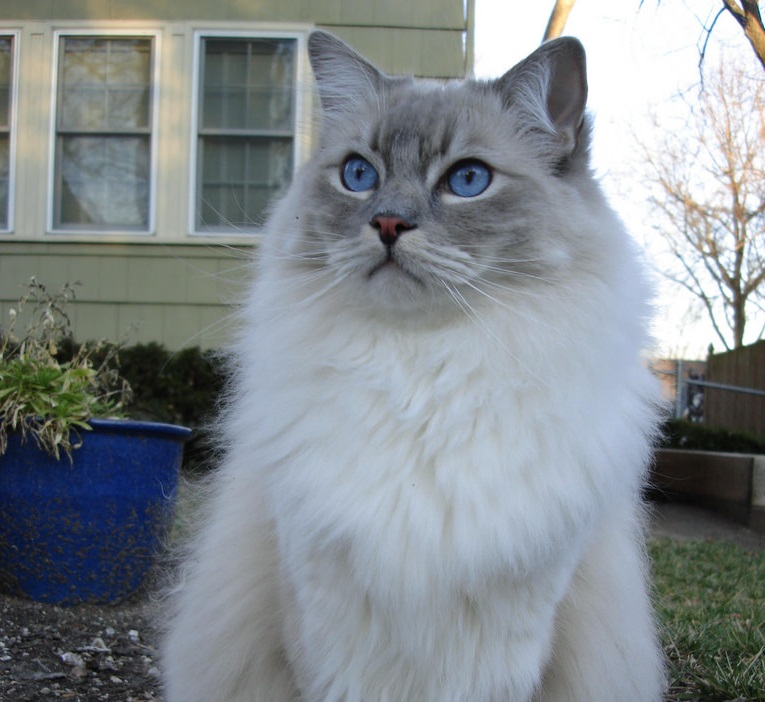
The Ragdoll's laid-back and affectionate nature makes them a joy to be around, but their large size and propensity for weight gain can lead to serious health issues if not properly managed. As a responsible Ragdoll owner, it's essential to be aware of the potential health risks associated with this breed, including Hypertrophic Cardiomyopathy (HCM), bladder stones, and hairballs. Regular grooming and a balanced diet can go a long way in preventing these issues, but it's crucial to stay vigilant and seek veterinary care at the first sign of trouble. Ragdolls are known for their stunning, semi-double coats, which require moderate grooming to prevent matting and tangling. However, their silky fur can be deceiving, as it often hides the early signs of weight gain and obesity. By monitoring their food intake and ensuring they get regular exercise, owners can help prevent these issues and keep their Ragdoll happy and healthy. With their calm and gentle nature, Ragdolls make perfect lap cats, but their large size means they require plenty of space to move around and exercise. By providing a suitable environment and staying on top of their health, owners can help their Ragdoll live a long and fulfilling life, typically ranging from 12 to 17 years.
What to look for
Monitor Food Intake
Ragdolls are prone to obesity, so it's essential to monitor their food intake and ensure they're not overeating. This can be achieved by measuring their food portions and limiting treats. A balanced diet that meets their nutritional needs is crucial, and owners should avoid overfeeding, as this can lead to a range of health issues. By regulating their food intake, owners can help prevent obesity and related health problems.
Regular Grooming
Ragdolls have a beautiful, semi-double coat that requires regular grooming to prevent matting and tangling. This can be a great way to bond with your cat, and it also helps to reduce the risk of hairballs. By grooming your Ragdoll regularly, you can help distribute skin oils, prevent hair from accumulating in the stomach, and reduce the risk of hairballs. Regular grooming also provides an opportunity to inspect your cat's coat and overall health, allowing you to identify any potential issues early on.
Provide Adequate Exercise
Despite their laid-back nature, Ragdolls still need regular exercise to stay healthy. This can be as simple as playing with a toy or providing a scratching post. By providing adequate exercise, owners can help their Ragdoll maintain a healthy weight, reduce the risk of obesity, and prevent related health issues. Even short periods of playtime can make a big difference, and owners should aim to provide at least 15-20 minutes of exercise per day.
Watch for Signs of Illness
Ragdolls are prone to certain health issues, such as HCM and bladder stones, so it's essential to be aware of the signs of illness. This includes monitoring their behavior, appetite, and overall health, and seeking veterinary care at the first sign of trouble. By being vigilant and proactive, owners can help identify potential health issues early on, reducing the risk of complications and improving treatment outcomes. Regular check-ups with a veterinarian can also help identify any potential issues before they become major problems.
Stay Informed and Seek Veterinary Care
By staying informed about the potential health risks associated with Ragdolls and seeking veterinary care when necessary, owners can help their cat live a long and healthy life. This includes being aware of the signs of illness, monitoring their cat's health, and seeking regular check-ups with a veterinarian. By working closely with a veterinarian, owners can help prevent health issues, identify potential problems early on, and provide their Ragdoll with the best possible care.
Frequently asked questions
How often should I groom my Ragdoll?
Ragdolls require regular grooming to prevent matting and tangling, and to reduce the risk of hairballs. It's recommended to groom your Ragdoll at least 2-3 times per week, and daily during shedding season. This can be a great way to bond with your cat, and it also helps to distribute skin oils and prevent hair from accumulating in the stomach.
What are the signs of HCM in Ragdolls?
Hypertrophic Cardiomyopathy (HCM) is a common health issue in Ragdolls, and it's essential to be aware of the signs. These can include shortness of breath, lethargy, and a lack of appetite. If you notice any of these signs, it's crucial to seek veterinary care immediately. Regular check-ups with a veterinarian can also help identify any potential issues before they become major problems.
How can I prevent obesity in my Ragdoll?
Preventing obesity in Ragdolls requires a combination of a balanced diet, regular exercise, and monitoring food intake. This can be achieved by measuring food portions, limiting treats, and providing plenty of opportunities for exercise and play. By regulating their food intake and providing adequate exercise, owners can help their Ragdoll maintain a healthy weight and reduce the risk of obesity-related health issues.
What are the signs of bladder stones in Ragdolls?
Bladder stones are a common health issue in Ragdolls, and it's essential to be aware of the signs. These can include straining to urinate, accidents outside of the litter box, and a lack of appetite. If you notice any of these signs, it's crucial to seek veterinary care immediately. Regular check-ups with a veterinarian can also help identify any potential issues before they become major problems.
How often should I take my Ragdoll to the vet?
It's recommended to take your Ragdoll to the vet at least once per year for a check-up, and more often if they're experiencing any health issues. Regular check-ups can help identify potential problems early on, and provide your Ragdoll with the best possible care. By working closely with a veterinarian, owners can help prevent health issues, reduce the risk of complications, and improve treatment outcomes.
By being aware of the potential health risks associated with Ragdolls and taking proactive steps to prevent them, owners can help their cat live a long and healthy life. This includes monitoring food intake, providing regular grooming and exercise, and seeking veterinary care when necessary. By prioritizing their Ragdoll's health and working closely with a veterinarian, owners can help prevent health issues and provide their cat with the best possible care.
More for your Ragdoll
Other breed-matched picks worth a look.