Common Shih Tzu Health Issues to Watch For
By PetEssentialist Team · Updated June 2026 · How we review
We independently research and pick every product. When you buy through our links we may earn a commission, at no extra cost to you. How this works.
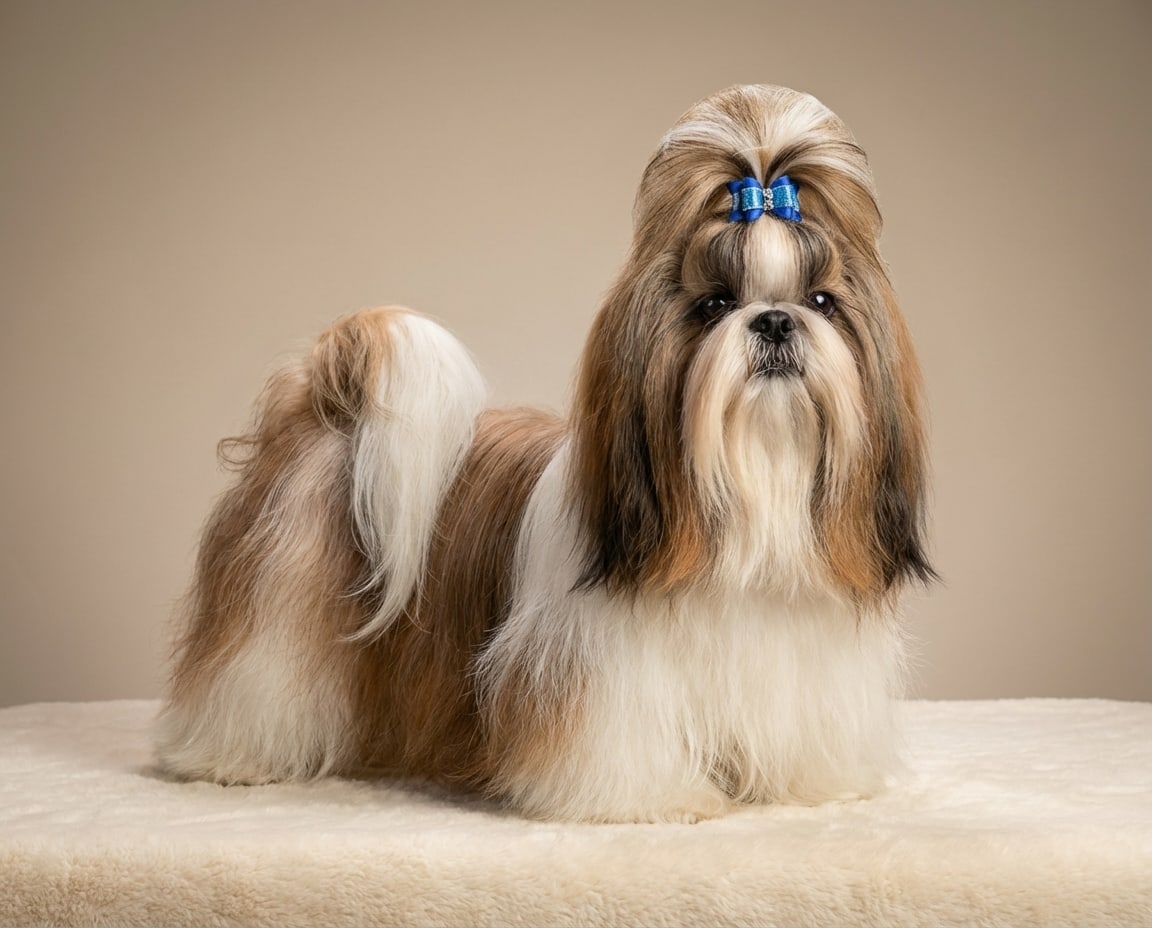
Despite their small size, Shih Tzus are prone to a range of health issues that can have a significant impact on their quality of life. One surprising fact about Shih Tzus is that their flat face and long coat can make them more susceptible to respiratory problems and matting, respectively. Daily brushing and regular grooming are essential to prevent matting and tangling of their long coat, which can lead to skin irritation and other issues. Shih Tzus are also known for their prominent eyes, which can be prone to a range of eye conditions, including cataracts, progressive retinal atrophy, and dry eye. Regular veterinary check-ups are crucial to detect any potential eye problems early on. Additionally, Shih Tzus are prone to dental disease, ear infections, and brachycephalic airway syndrome, which can be exacerbated by their flat face and short nose. By understanding the common health issues that affect Shih Tzus and taking steps to prevent them, owners can help their pets live long, healthy, and happy lives. Regular veterinary check-ups, daily grooming, and a healthy diet are all essential to maintaining the health and well-being of Shih Tzus.
What to look for
Daily Grooming
Daily grooming is essential to prevent matting and tangling of the Shih Tzu's long coat. This can be a time-consuming process, but it is crucial to prevent skin irritation and other issues. Owners should aim to spend at least 10-15 minutes per day brushing their Shih Tzu's coat, paying particular attention to areas where matting is most common, such as the armpits and behind the ears. Regular grooming can also help to reduce shedding and prevent hair from getting into the eyes and nose.
Regular Veterinary Check-ups
Regular veterinary check-ups are crucial to detect any potential health problems early on. Shih Tzus should have a check-up with their veterinarian at least twice per year, and more often if they have any pre-existing health conditions. Owners should also be aware of the signs of common health issues, such as respiratory problems, eye conditions, and dental disease, and seek veterinary attention immediately if they notice any unusual symptoms.
Healthy Diet
A healthy diet is essential to maintaining the health and well-being of Shih Tzus. Owners should feed their pets a high-quality, balanced diet that is rich in nutrients and minerals. They should also avoid overfeeding, as Shih Tzus can be prone to obesity, which can exacerbate a range of health problems. A healthy diet can help to support the overall health of Shih Tzus, including their skin, coat, and eyes.
Dental Care
Dental care is an essential part of maintaining the health and well-being of Shih Tzus. Owners should brush their pet's teeth regularly to prevent tartar buildup and promote good oral health. They should also provide their pets with dental chews and toys to help keep their teeth clean and healthy. Regular dental check-ups with a veterinarian are also crucial to detect any potential dental problems early on.
Monitoring for Health Issues
Owners should be aware of the signs of common health issues in Shih Tzus, such as respiratory problems, eye conditions, and dental disease. They should monitor their pets closely for any unusual symptoms, such as coughing, sneezing, or discharge from the eyes or nose. If they notice any unusual symptoms, they should seek veterinary attention immediately to prevent any potential health problems from becoming more serious.
Frequently asked questions
How often should I groom my Shih Tzu?
Shih Tzus require daily grooming to prevent matting and tangling of their long coat. Owners should aim to spend at least 10-15 minutes per day brushing their Shih Tzu's coat, paying particular attention to areas where matting is most common.
What are the most common health issues in Shih Tzus?
Shih Tzus are prone to a range of health issues, including brachycephalic airway syndrome, eye conditions, dental disease, ear infections, and matting. Regular veterinary check-ups and daily grooming can help to prevent or detect these issues early on.
How can I prevent my Shih Tzu from getting obese?
To prevent obesity in Shih Tzus, owners should feed their pets a high-quality, balanced diet and avoid overfeeding. They should also provide their pets with regular exercise, such as short walks and playtime, to help maintain a healthy weight.
Why is regular veterinary care important for Shih Tzus?
Regular veterinary care is crucial to detect any potential health problems early on and prevent them from becoming more serious. Shih Tzus should have a check-up with their veterinarian at least twice per year, and more often if they have any pre-existing health conditions.
What are the signs of dental disease in Shih Tzus?
The signs of dental disease in Shih Tzus include bad breath, yellow or brown teeth, and red or inflamed gums. Owners should also be aware of any changes in their pet's appetite or behavior, such as reluctance to eat or play, which can be indicative of dental problems.
By following these guidelines and being aware of the common health issues that affect Shih Tzus, owners can help their pets live long, healthy, and happy lives. Regular veterinary check-ups, daily grooming, and a healthy diet are all essential to maintaining the health and well-being of Shih Tzus. Owners should prioritize their pet's health and take steps to prevent any potential health problems from becoming more serious. With the right care and attention, Shih Tzus can thrive and bring joy and companionship to their owners for many years.
More for your Shih Tzu
Other breed-matched picks worth a look.