Common Siberian Health Issues to Watch For
By PetEssentialist Team · Updated June 2026 · How we review
We independently research and pick every product. When you buy through our links we may earn a commission, at no extra cost to you. How this works.
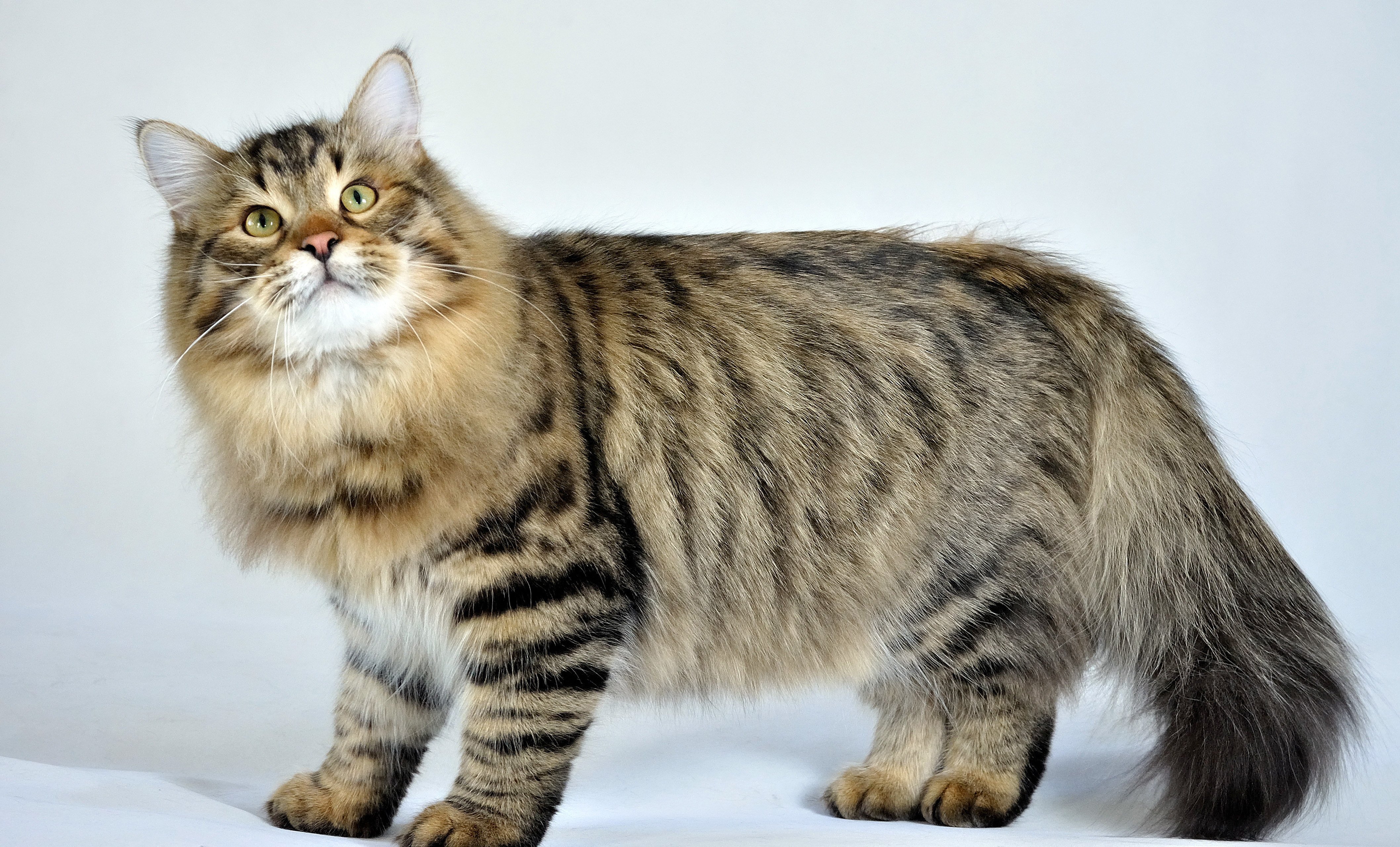
The Siberian's thick triple coat and agile nature make them a joy to own, but also require attentive care to prevent common health issues. Their high shedding and moderate energy level mean they need regular grooming and exercise to stay healthy. As a responsible owner, it's essential to be aware of the potential health issues that can affect this breed, such as HCM, hairballs, and dental disease, to ensure a long and happy life for your pet. With their affectionate and playful temperament, Siberians thrive on interaction and attention from their owners. Regular check-ups and a watchful eye can help prevent or catch health issues early on, making it easier to manage and treat them. By understanding the specific needs of the Siberian breed, owners can take proactive steps to maintain their pet's overall health and well-being. A key aspect of Siberian care is recognizing the signs of potential health issues and knowing when to seek veterinary advice. By being aware of the common health issues that affect this breed and taking steps to prevent them, owners can help their Siberian live a long and healthy life.
What to look for
Regular Grooming
The Siberian's thick triple coat requires regular grooming to prevent matting and tangling, which can lead to skin irritation and hairballs. A daily brushing routine can help reduce shedding and prevent hairballs from forming. It's also essential to check for signs of skin irritation or infection, such as redness, itching, or discharge, and seek veterinary advice if you notice any of these symptoms.
Dental Care
Dental disease is a common issue in Siberians, and regular dental care can help prevent it. Owners should brush their Siberian's teeth regularly to remove plaque and tartar, and provide dental chews or toys to help keep their teeth clean. Regular dental check-ups with a veterinarian can also help identify any potential issues early on.
Monitoring for HCM
Hypertrophic cardiomyopathy (HCM) is a heart condition that can affect Siberians, and regular monitoring is essential to catch any potential issues early on. Owners should work with their veterinarian to develop a monitoring plan, which may include regular check-ups, echocardiograms, and other diagnostic tests.
Providing a Balanced Diet
A balanced diet is essential for maintaining the overall health of your Siberian. Owners should provide a high-quality commercial cat food that meets their pet's nutritional needs, and avoid overfeeding or underfeeding, which can lead to obesity or malnutrition. A veterinarian can help determine the best diet for your Siberian based on their age, size, and activity level.
Staying Alert for Signs of Illness
Siberians are generally a healthy breed, but they can be prone to certain health issues. Owners should be aware of the signs of illness, such as vomiting, diarrhea, or lethargy, and seek veterinary advice immediately if they notice any of these symptoms. Regular check-ups and a watchful eye can help prevent or catch health issues early on, making it easier to manage and treat them.
Frequently asked questions
How often should I brush my Siberian's coat?
Daily brushing is recommended to prevent matting and tangling, and to reduce shedding. This will also help distribute skin oils and keep the coat healthy.
What are the signs of HCM in Siberians?
Signs of HCM in Siberians may include difficulty breathing, lethargy, or a decrease in appetite. If you notice any of these symptoms, seek veterinary advice immediately.
Can I prevent hairballs in my Siberian?
Yes, regular grooming and a balanced diet can help reduce the risk of hairballs. You can also provide your Siberian with a small amount of canned pumpkin or a hairball remedy to help move hair through their digestive system.
How often should I take my Siberian to the vet?
Regular check-ups with a veterinarian are essential to monitor your Siberian's health and catch any potential issues early on. The frequency of visits will depend on your pet's age, size, and health status, but most veterinarians recommend at least one visit per year.
What are the most common health issues in Siberians?
The most common health issues in Siberians include HCM, hairballs, and dental disease. Regular monitoring and preventive care can help reduce the risk of these conditions and ensure a long and healthy life for your pet.
By understanding the specific needs of the Siberian breed and taking proactive steps to maintain their health, owners can help their pet live a long and happy life. Regular grooming, dental care, and monitoring for HCM are essential to preventing common health issues, and a balanced diet and regular veterinary check-ups can help ensure overall health and well-being. By prioritizing these needs, owners can provide the best possible care for their Siberian and enjoy a rewarding and loving relationship with their pet.
More for your Siberian
Other breed-matched picks worth a look.