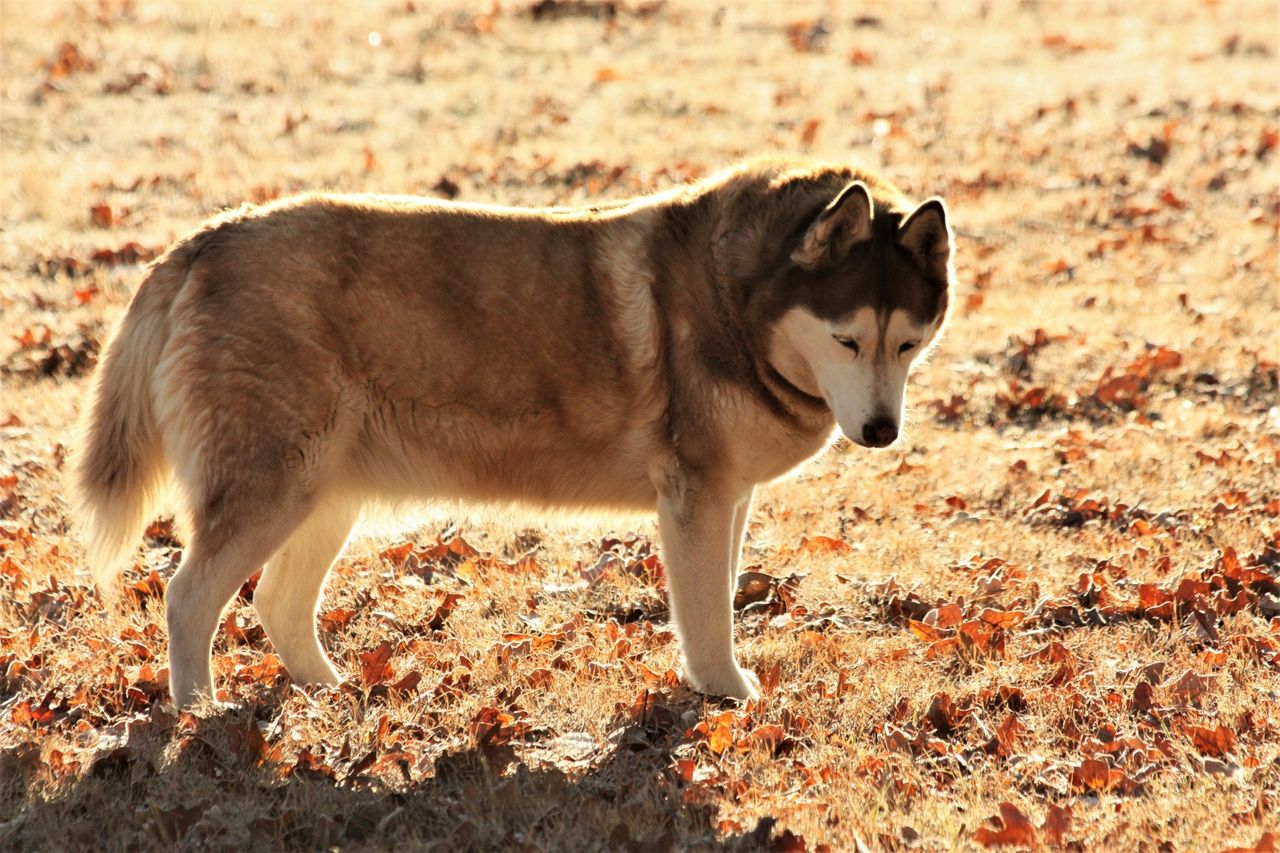
Common Siberian Husky Health Issues to Watch For
By PetEssentialist Team · Updated June 2026 · How we review
We independently research and pick every product. When you buy through our links we may earn a commission, at no extra cost to you. How this works.
Siberian Huskies are prone to heat sensitivity due to their thick double coats, making it crucial for owners to monitor their dogs' temperature and provide ample shade and water during hot months. Their high energy levels and athletic temperament also increase the risk of hip dysplasia, a common health issue in this breed. Regular exercise and a balanced diet can help prevent or manage this condition. As a medium-sized breed with a heavy double coat, Siberian Huskies require moderate grooming needs, including regular brushing to prevent matting and tangling, especially during shedding season.
What to look for
Monitor Temperature
Siberian Huskies are prone to heat sensitivity, so it's essential to monitor their temperature and provide ample shade and water during hot months. This is especially critical during the first few months of ownership, as the dog adjusts to its new environment. Owners should also be aware of the signs of heatstroke, such as excessive panting, drooling, and lethargy.
Maintain a Healthy Weight
A balanced diet and regular exercise can help prevent or manage hip dysplasia in Siberian Huskies. Owners should aim to provide at least 1-2 hours of exercise per day, including a mix of physical activity and mental stimulation. A healthy weight can also reduce the risk of other health issues, such as eye conditions and digestive problems.
Provide Regular Grooming
Siberian Huskies require moderate grooming needs, including regular brushing to prevent matting and tangling, especially during shedding season. Owners should aim to brush their dog at least 2-3 times per week, using a slicker brush or pin brush to remove loose hair and distribute skin oils. This can help reduce shedding and prevent hair from getting everywhere.
Schedule Regular Vet Check-Ups
Regular vet check-ups can help identify potential health issues in Siberian Huskies, such as eye conditions and hip dysplasia. Owners should schedule annual check-ups, or more frequently if their dog has a pre-existing condition. This can help prevent or manage health issues, and ensure the dog leads a long and healthy life.
Be Aware of Genetic Predispositions
Siberian Huskies are prone to certain genetic health issues, such as eye conditions and hip dysplasia. Owners should be aware of these predispositions and take steps to prevent or manage them, such as providing regular exercise and a balanced diet. They should also work with a reputable breeder who has health-tested their breeding stock.
Frequently asked questions
How often should I exercise my Siberian Husky?
Siberian Huskies require at least 1-2 hours of exercise per day, including a mix of physical activity and mental stimulation. This can include walks, runs, playtime, and training sessions.
What are the signs of heatstroke in Siberian Huskies?
The signs of heatstroke in Siberian Huskies include excessive panting, drooling, lethargy, and a body temperature above 104°F. If you suspect your dog has heatstroke, seek veterinary attention immediately.
How can I prevent matting and tangling in my Siberian Husky's coat?
To prevent matting and tangling in your Siberian Husky's coat, brush your dog at least 2-3 times per week, using a slicker brush or pin brush to remove loose hair and distribute skin oils. You can also use a detangling spray or conditioner to help make brushing easier.
What are the common eye conditions in Siberian Huskies?
Siberian Huskies are prone to certain eye conditions, including cataracts, progressive retinal atrophy, and corneal dystrophy. Regular vet check-ups can help identify these conditions, and owners should be aware of the signs, such as redness, discharge, or vision loss.
How can I help my Siberian Husky maintain a healthy weight?
To help your Siberian Husky maintain a healthy weight, provide a balanced diet and regular exercise, including at least 1-2 hours of physical activity per day. You can also monitor your dog's food intake and adjust as needed, and avoid overfeeding or underfeeding.
For Siberian Husky owners, the key to preventing and managing common health issues is to provide regular exercise, a balanced diet, and moderate grooming needs. By being aware of the breed's genetic predispositions and taking steps to prevent or manage them, owners can help their dog lead a long and healthy life. Prioritize your dog's health and well-being by scheduling regular vet check-ups and being mindful of their temperature, weight, and overall health.
More for your Siberian Husky
Other breed-matched picks worth a look.