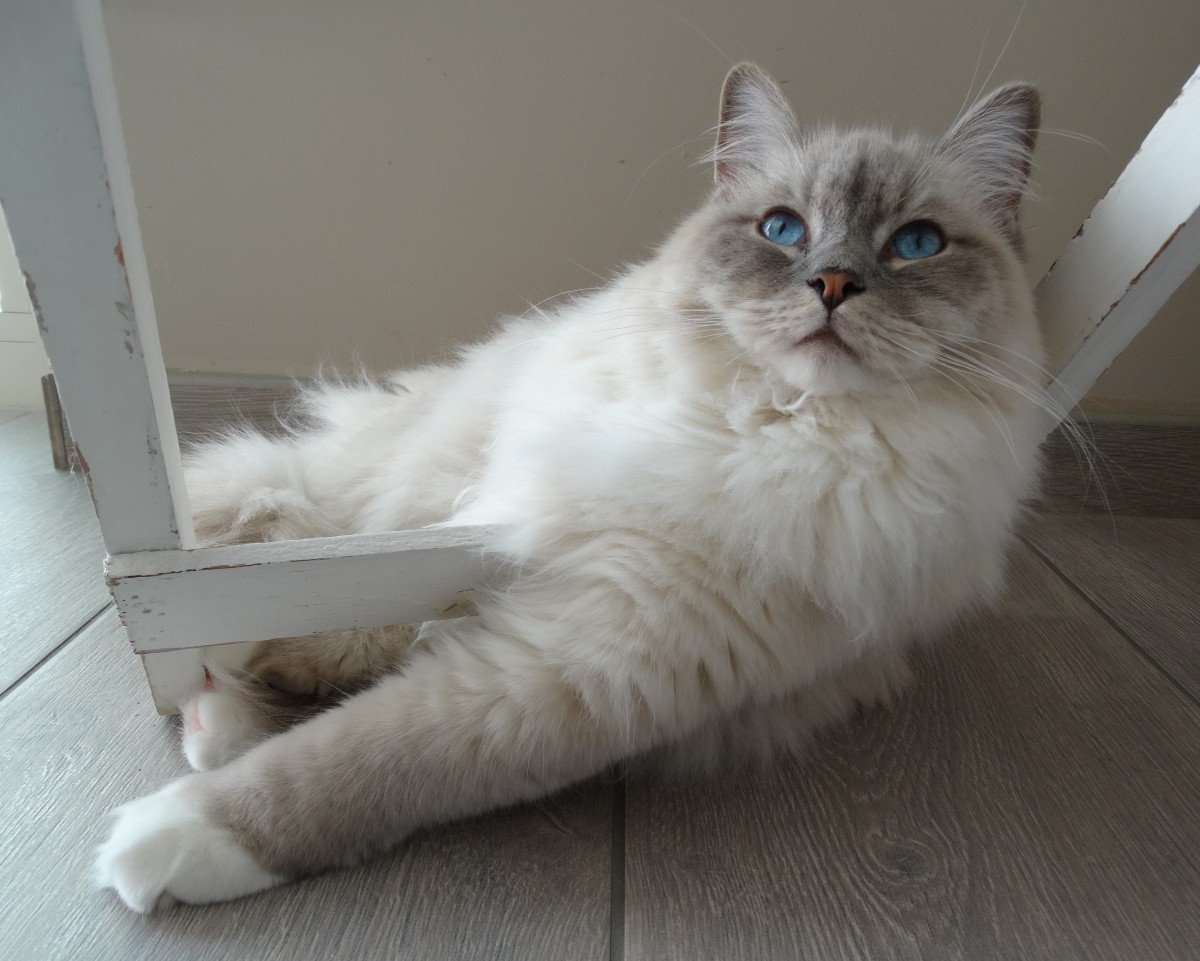
How Much Exercise Does a Himalayan Need?
By PetEssentialist Team · Updated June 2026 · How we review
We independently research and pick every product. When you buy through our links we may earn a commission, at no extra cost to you. How this works.
For Himalayan owners, finding the right balance of exercise and relaxation is crucial to their cat's overall health and wellbeing. The Himalayan's low energy level and flat face mean they are not suited for high-intensity activities, but still require regular movement to prevent obesity and related health issues. With their thick, long coat requiring daily grooming, it's essential to consider exercise routines that minimize matting and tangling, while also providing mental stimulation to prevent boredom and stress. Himalayan cats are prone to common health issues such as PKD, brachycephalic airway syndrome, and dental disease, making regular exercise and a healthy lifestyle vital to preventing or managing these conditions. By understanding the specific exercise needs of their Himalayan, owners can help their cat lead a happy, healthy life. The key is to find activities that cater to their calm and affectionate nature, while also providing sufficient physical and mental stimulation. A well-planned exercise routine can also help reduce the risk of hairballs, a common issue in long-haired breeds like the Himalayan, by encouraging swallowing and reducing grooming time spent on loose hair
What to look for
Daily Exercise Duration
Himalayans require short, gentle exercise sessions of around 10-15 minutes, twice a day, to maintain their physical health without overexerting themselves. Playtime can include activities like walking on a leash, playing with feather toys, or engaging in food puzzle games. It's essential to monitor their energy levels and adjust the duration and intensity of exercise accordingly, as overexertion can lead to breathing difficulties and other health issues.
Mental Enrichment
In addition to physical exercise, Himalayans need mental stimulation to prevent boredom and stress. Engage your cat in play activities that challenge their problem-solving skills, such as interactive toys or scent games, for around 10-15 minutes, 2-3 times a day. Rotate toys regularly to keep playtime interesting and prevent habituation.
Avoiding Overexertion
It's crucial to recognize the signs of overexertion in Himalayans, including rapid breathing, panting, and lethargy. If you notice any of these symptoms, stop exercise immediately and provide a cool, quiet space for your cat to rest. Allow your cat to set the pace and take regular breaks to avoid pushing them beyond their comfort level.
Grooming as Exercise
For Himalayans, grooming is an essential part of their daily routine and can also serve as a form of gentle exercise. Regular brushing can help reduce matting and tangling, while also providing an opportunity for bonding and relaxation. Aim to spend at least 10-15 minutes, 2-3 times a day, on grooming activities, such as brushing or combing, to help keep your cat's coat healthy and well-maintained.
Creating a Suitable Environment
To encourage exercise and mental stimulation, create a cat-friendly environment that includes vertical spaces, scratching posts, and hideaways. This will allow your Himalayan to engage in natural behaviors like climbing, scratching, and hiding, while also providing opportunities for play and exploration. Make sure to place food, water, and litter boxes in accessible locations to minimize stress and encourage movement.
Frequently asked questions
How often should I take my Himalayan for a walk?
It's recommended to take your Himalayan for short, gentle walks of around 10-15 minutes, 2-3 times a day, using a harness and leash. However, always prioritize your cat's comfort and safety, and avoid walking in extreme temperatures or weather conditions.
Can Himalayans play with high-energy toys?
While Himalayans can enjoy playing with toys, it's essential to choose low-energy options that cater to their calm and gentle nature. Avoid toys that are too loud, fast, or stimulating, and opt for interactive games or puzzle toys that challenge problem-solving skills instead.
How can I tell if my Himalayan is getting enough exercise?
Monitor your cat's overall health, energy levels, and behavior to determine if they're getting enough exercise. Look for signs of happiness and contentment, such as playful behavior, curiosity, and a healthy appetite. If you notice any signs of lethargy, obesity, or stress, consult with your veterinarian to adjust your cat's exercise routine accordingly.
Can I leave my Himalayan alone for extended periods without exercise?
While Himalayans are generally calm and laid-back, it's not recommended to leave them alone for extended periods without providing some form of exercise or mental stimulation. Engage your cat in play activities or provide puzzle toys before leaving the house to minimize boredom and stress.
How can I prevent my Himalayan from becoming overweight or obese?
To prevent obesity in your Himalayan, ensure they receive regular exercise, a balanced diet, and plenty of mental stimulation. Monitor food portions, avoid overfeeding, and limit treats. Consult with your veterinarian to determine the best diet and exercise plan for your cat, and schedule regular check-ups to track their weight and overall health.
To keep your Himalayan happy and healthy, prioritize a balanced routine that includes short, gentle exercise sessions, mental enrichment activities, and regular grooming. By understanding and catering to their specific needs, you can help your cat thrive and enjoy a long, fulfilling life. Consult with your veterinarian to determine the best exercise and care plan for your Himalayan, and make adjustments as needed to ensure their overall wellbeing.
More for your Himalayan
Other breed-matched picks worth a look.