How Much to Feed a Abyssinian
By PetEssentialist Team · Updated June 2026 · How we review
We independently research and pick every product. When you buy through our links we may earn a commission, at no extra cost to you. How this works.
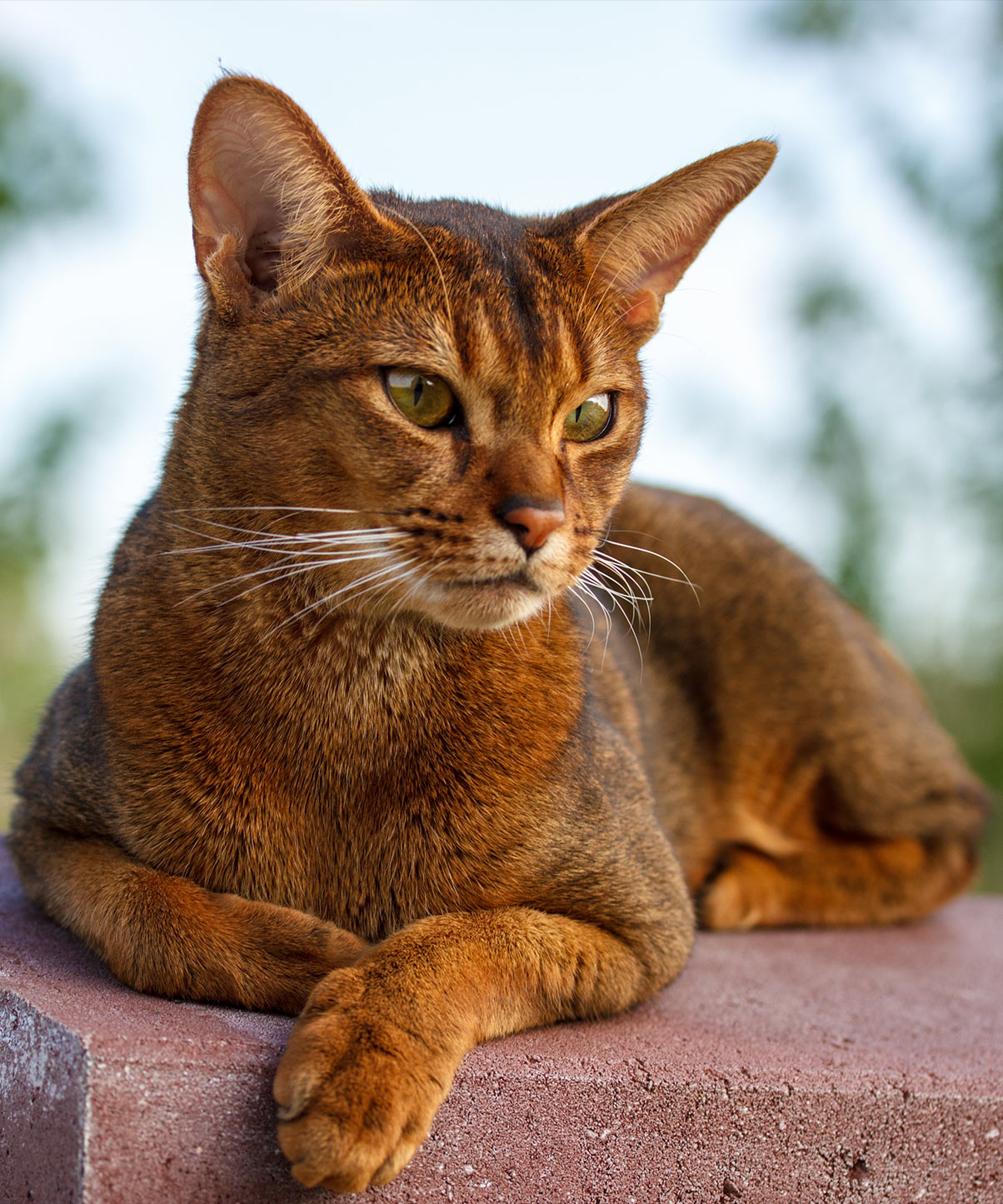
An Abyssinian's day is filled with endless activity, as they dart from floor to countertop, exploring every nook and cranny. Their high energy level demands a diet that can keep up, providing the necessary fuel for their athletic pursuits. As an owner, it's essential to understand the unique nutritional needs of this breed to ensure they maintain a healthy weight and thrive. With their short, ticked coat and low shedding, Abyssinians may not require as much grooming as other breeds, but their dietary needs are just as specific. A well-balanced diet that takes into account their age, weight, and activity level is crucial for preventing common health issues such as dental disease and renal amyloidosis. By understanding the intricacies of Abyssinian nutrition, owners can provide their cats with the best possible start in life. As Abyssinians grow and develop, their dietary needs will change. Kittens require more frequent meals and a higher caloric intake to support their rapid growth, while adults need a balanced diet that maintains their energy levels without leading to obesity. By following a few key principles, owners can ensure their Abyssinians receive the nutrition they need to live a long, healthy life.
What to look for
Kitten Feeding
Abyssinian kittens require 3-4 meals per day, with a high-calorie intake to support their rapid growth. Owners should aim to provide 20-25% of their daily calories from protein sources, such as chicken or salmon. As kittens grow, their meal frequency can be reduced, but their dietary needs remain high.
Adult Feeding
Adult Abyssinians require a balanced diet that maintains their energy levels without leading to obesity. Owners should aim to provide 2-3 meals per day, with a moderate caloric intake. A mix of protein sources, such as chicken and fish, and complex carbohydrates, such as brown rice, can provide the necessary nutrients for optimal health.
Adjusting Portion Sizes
As Abyssinians grow and develop, their portion sizes will need to be adjusted. Owners should monitor their cat's weight and adjust their food intake accordingly. A general rule of thumb is to provide 1/4 to 1/2 cup of food per 10 pounds of body weight per day, but this can vary depending on the individual cat's needs.
Activity Level Considerations
Abyssinians are highly active cats, and their dietary needs will reflect this. Owners should consider their cat's activity level when determining their food intake, with more active cats requiring more calories to maintain their energy levels. A mix of playtime and rest can help regulate an Abyssinian's appetite and prevent overeating.
Monitoring Health
Regular monitoring of an Abyssinian's health is essential for preventing common health issues. Owners should keep an eye on their cat's weight, dental health, and overall condition, making adjustments to their diet as needed. Consultation with a veterinarian can provide personalized advice and help prevent potential health problems.
Frequently asked questions
How often should I feed my Abyssinian kitten?
Abyssinian kittens require 3-4 meals per day, with a high-calorie intake to support their rapid growth. As they grow, their meal frequency can be reduced, but their dietary needs remain high. Consult with a veterinarian to determine the best feeding schedule for your kitten.
What is the ideal weight for an adult Abyssinian?
The ideal weight for an adult Abyssinian is between 6-10 pounds, depending on their size and muscle mass. Owners should aim to maintain a healthy weight through a balanced diet and regular exercise.
Can I free-feed my Abyssinian?
It's not recommended to free-feed an Abyssinian, as this can lead to overeating and obesity. Instead, owners should provide regular meals and monitor their cat's food intake to ensure they're receiving the right amount of nutrients.
How can I prevent dental disease in my Abyssinian?
Regular dental care, including brushing and veterinary check-ups, can help prevent dental disease in Abyssinians. A balanced diet that includes dental-friendly ingredients, such as vitamin D and calcium, can also help support oral health.
What are the signs of renal amyloidosis in Abyssinians?
Signs of renal amyloidosis in Abyssinians can include weight loss, decreased appetite, and increased thirst and urination. If you suspect your cat is showing signs of this disease, consult with a veterinarian immediately for proper diagnosis and treatment.
By understanding the unique nutritional needs of the Abyssinian breed, owners can provide their cats with the best possible start in life. A balanced diet that takes into account age, weight, and activity level, combined with regular monitoring of health and consultation with a veterinarian, can help prevent common health issues and ensure a long, healthy life for your Abyssinian. Prioritize your cat's dietary needs and make adjustments as necessary to support their optimal health and well-being.
More for your Abyssinian
Other breed-matched picks worth a look.