How Much to Feed a Beagle
By PetEssentialist Team · Updated June 2026 · How we review
We independently research and pick every product. When you buy through our links we may earn a commission, at no extra cost to you. How this works.
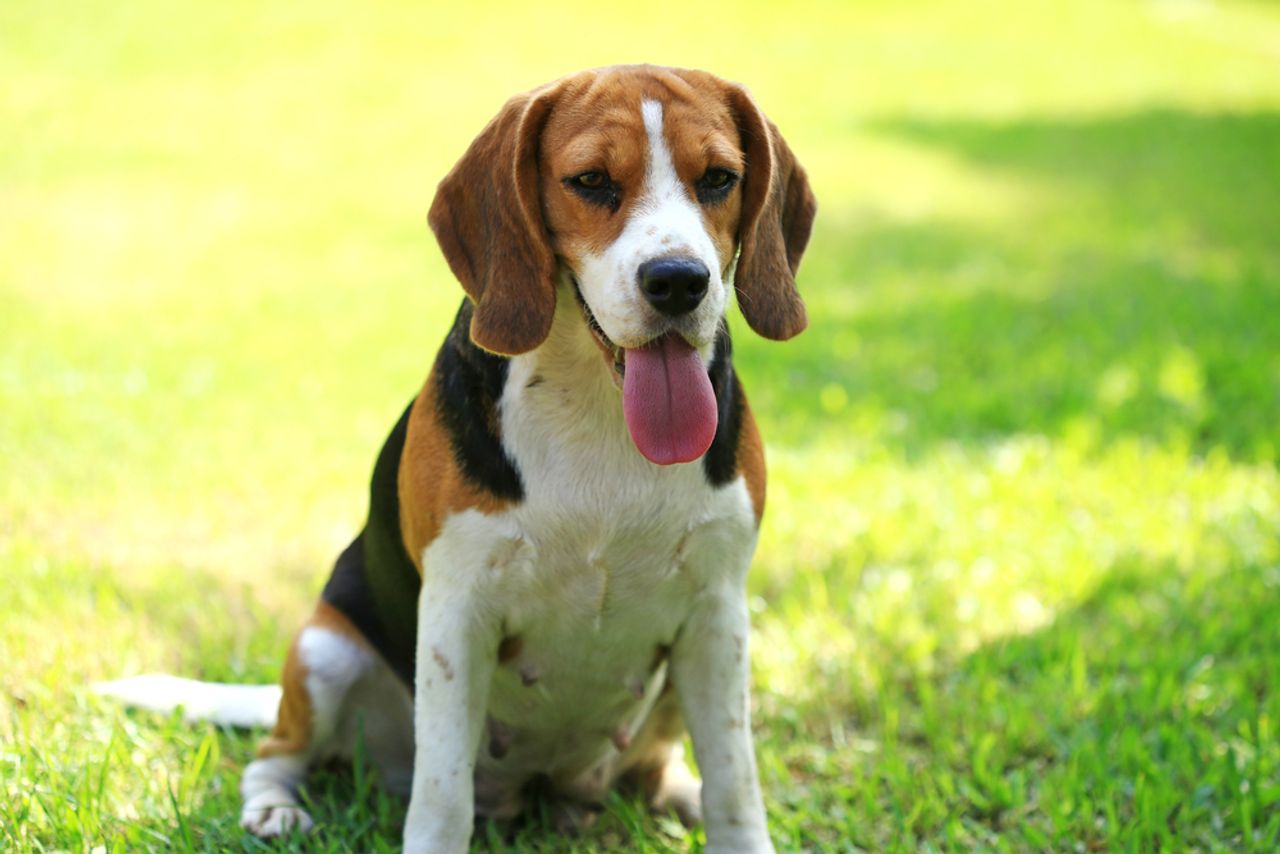
Despite their small size, Beagles are prone to obesity due to their high energy level and food-driven nature. In fact, a staggering 30% of Beagles are overweight or obese, which can lead to a range of health problems, including ear infections, epilepsy, and Intervertebral Disc Disease (IVDD). Beagles are small scent hounds with a short double coat, requiring moderate grooming and a balanced diet to maintain their energetic and curious temperament. Their long, floppy ears can trap moisture, making them susceptible to infections, which is why a healthy weight and regular exercise are crucial for their overall well-being. Understanding how much to feed a Beagle is essential to prevent obesity and ensure they receive the necessary nutrients for optimal health. By considering their age, weight, and activity level, owners can provide a tailored diet that meets their unique needs.
What to look for
Puppy Feeding
Beagle puppies require more frequent meals, typically 3-4 times a day, to support their rapid growth and development. As they mature, meal frequency can be reduced to 2-3 times a day. Owners should monitor their puppy's weight and adjust portion sizes accordingly to prevent overfeeding.
Adult Feeding
Adult Beagles require a balanced diet that meets their high energy needs. The recommended daily intake is 1-2 cups of food per 20 pounds of body weight, divided into 2-3 meals. However, this may vary depending on their activity level and individual needs.
Activity Level
Beagles are highly energetic and require regular exercise to maintain their physical and mental health. Owners should adjust their Beagle's food intake based on their activity level, increasing portion sizes for highly active dogs and reducing them for less active ones.
Weight Management
Beagles are prone to obesity, so it's essential to monitor their weight regularly and adjust their food intake accordingly. Owners should aim to maintain a healthy weight, avoiding overfeeding and ensuring their Beagle receives regular exercise and mental stimulation.
Transitioning to New Foods
When transitioning to a new food, owners should do so gradually to prevent digestive upset. A gradual introduction of 7-10 days allows the Beagle's digestive system to adjust to the new food, reducing the risk of adverse reactions.
Frequently asked questions
How often should I feed my Beagle?
The frequency of meals depends on the Beagle's age and activity level. Puppies require more frequent meals, while adult Beagles can be fed 2-3 times a day.
What is the ideal weight for a Beagle?
The ideal weight for a Beagle varies depending on their size and sex, but generally ranges from 18-30 pounds. Owners should aim to maintain a healthy weight to prevent obesity and related health issues.
Can I free-feed my Beagle?
No, free-feeding is not recommended for Beagles, as they are prone to overeating and obesity. Instead, owners should measure and control portion sizes to ensure their Beagle receives the necessary nutrients without overfeeding.
How can I prevent my Beagle from becoming overweight?
Preventing obesity in Beagles requires a combination of regular exercise, mental stimulation, and a balanced diet. Owners should monitor their Beagle's weight regularly and adjust their food intake accordingly to maintain a healthy weight.
What are the consequences of overfeeding a Beagle?
Overfeeding a Beagle can lead to obesity, which increases the risk of various health problems, including ear infections, epilepsy, and IVDD. It can also reduce their lifespan and quality of life, making it essential to maintain a healthy weight through a balanced diet and regular exercise.
To keep a Beagle healthy, owners must prioritize a balanced diet and regular exercise, taking into account their age, weight, and activity level. By monitoring their Beagle's weight and adjusting their food intake accordingly, owners can prevent obesity and ensure their pet lives a long, happy life. Consult with a veterinarian to determine the best feeding plan for your Beagle.
More for your Beagle
Other breed-matched picks worth a look.