How Much to Feed a German Shepherd
By PetEssentialist Team · Updated June 2026 · How we review
We independently research and pick every product. When you buy through our links we may earn a commission, at no extra cost to you. How this works.
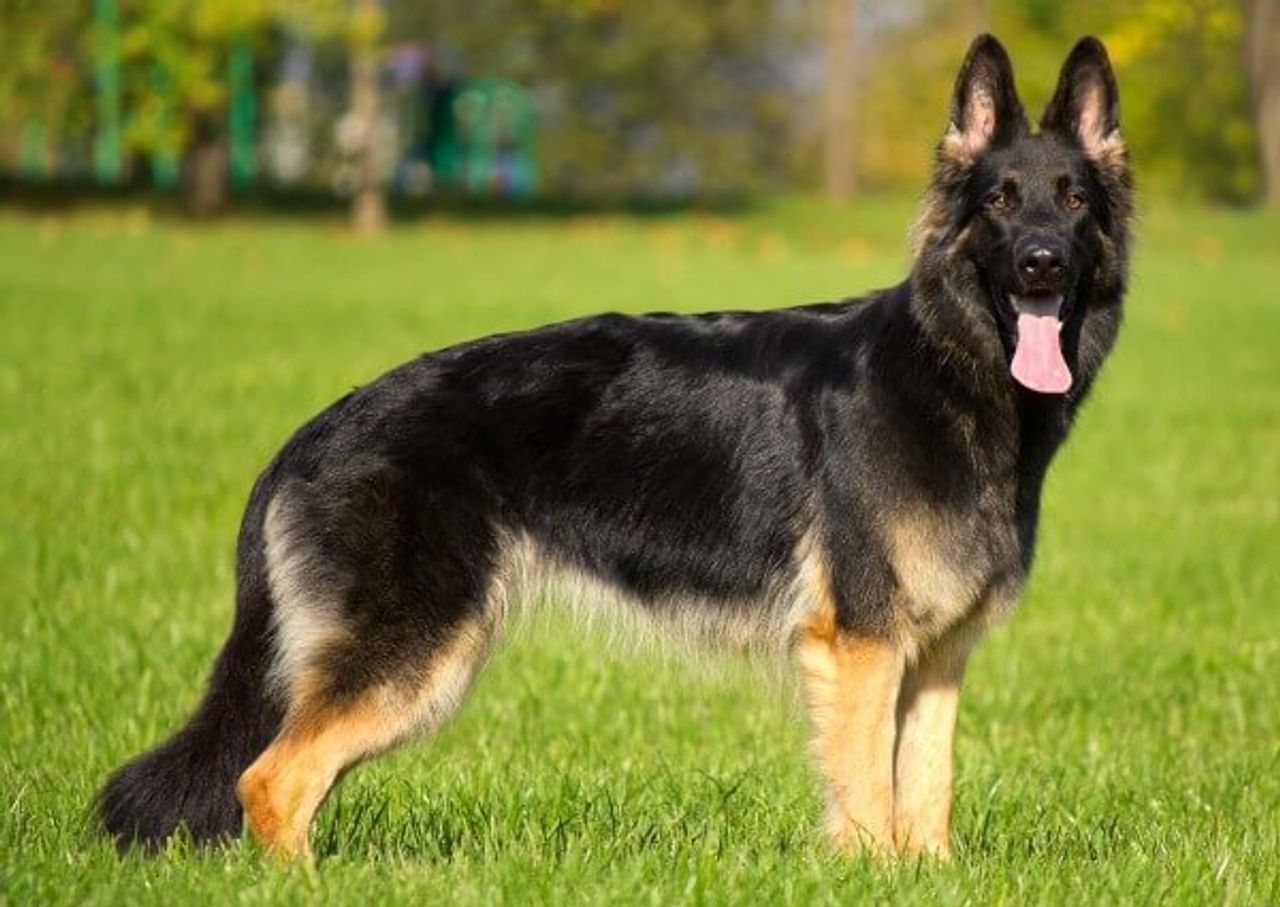
German Shepherds are a high-energy breed that requires a balanced diet to maintain their athletic build and support their active lifestyle. On average, a German Shepherd needs around 2-3% of their body weight in food per day, which translates to about 1-2 cups of food for a 50-pound dog. Their double coat, which sheds heavily, also requires extra nutrients to stay healthy. German Shepherds are prone to sensitive stomachs, so it's essential to introduce new foods gradually and monitor their digestive health. Their deep-chested build also makes them susceptible to bloat, so eating smaller, more frequent meals can help reduce the risk. With their intelligent and confident nature, German Shepherds thrive on routine and clear boundaries, including a consistent feeding schedule. By understanding their specific needs and adjusting their diet accordingly, owners can help their German Shepherd maintain a healthy weight and reduce the risk of common health issues.
What to look for
Calculate Daily Caloric Needs
To determine how much to feed a German Shepherd, calculate their daily caloric needs based on their age, weight, and activity level. Puppies need more calories than adult dogs, while highly active dogs require more calories than those with a sedentary lifestyle. A general rule of thumb is to provide 1,500-2,000 calories per day for a 50-pound German Shepherd.
Choose the Right Food
German Shepherds require a balanced diet that includes high-quality protein sources, such as chicken or lamb, and complex carbohydrates, such as brown rice or sweet potatoes. Avoid fillers and by-products, which can exacerbate sensitive stomachs. Consider a food specifically formulated for large breeds or high-energy dogs.
Adjust for Life Stage and Activity
German Shepherd puppies need more frequent meals and a higher caloric intake than adult dogs. As they mature, their feeding schedule can be adjusted to twice a day. Highly active dogs, such as those used for police or search and rescue work, may require more calories and a different nutrient profile than less active dogs.
Monitor and Adjust
Regularly monitor a German Shepherd's weight, body condition, and overall health, and adjust their diet accordingly. If they're gaining too much weight, reduce the amount of food or switch to a lower-calorie formula. If they're losing weight, increase the amount of food or add healthy treats.
Consider Feedings Frequency
German Shepherds can benefit from eating smaller, more frequent meals to reduce the risk of bloat and support their high energy needs. Consider feeding 3-4 times a day, especially for puppies or highly active dogs.
Frequently asked questions
How often should I feed my German Shepherd puppy?
German Shepherd puppies typically need to be fed 3-4 times a day until they're about six months old. After that, they can be switched to twice a day. However, the exact feeding schedule may vary depending on the individual puppy's needs and growth rate.
What are the best foods for a German Shepherd with a sensitive stomach?
For German Shepherds with sensitive stomachs, it's best to choose a food that's easy to digest and made with high-quality protein sources. Consider a limited-ingredient diet or a food specifically formulated for dogs with sensitive stomachs.
Can I feed my German Shepherd a raw diet?
While some owners swear by raw diets, it's essential to consult with a veterinarian before making any significant changes to a German Shepherd's diet. Raw diets can be beneficial for some dogs, but they may not provide the necessary nutrients for others.
How can I prevent my German Shepherd from becoming overweight?
To prevent a German Shepherd from becoming overweight, monitor their food intake and ensure they're getting enough exercise. Avoid overfeeding or giving too many treats, and consider using a food puzzle or interactive toy to keep them engaged and active.
What are the signs of bloat in German Shepherds, and how can I reduce the risk?
Signs of bloat in German Shepherds include restlessness, panting, and a swollen abdomen. To reduce the risk of bloat, feed smaller, more frequent meals, and avoid exercising your dog immediately after eating. Also, consider adding a anti-gas medication to their meals.
By understanding a German Shepherd's specific nutritional needs and adjusting their diet accordingly, owners can help their dog maintain a healthy weight, reduce the risk of common health issues, and support their high energy lifestyle. For owners who want to provide the best possible nutrition for their German Shepherd, consulting with a veterinarian or canine nutritionist can help create a customized diet plan that meets their individual needs.
More for your German Shepherd
Other breed-matched picks worth a look.