How Much to Feed a Great Dane
By PetEssentialist Team · Updated June 2026 · How we review
We independently research and pick every product. When you buy through our links we may earn a commission, at no extra cost to you. How this works.
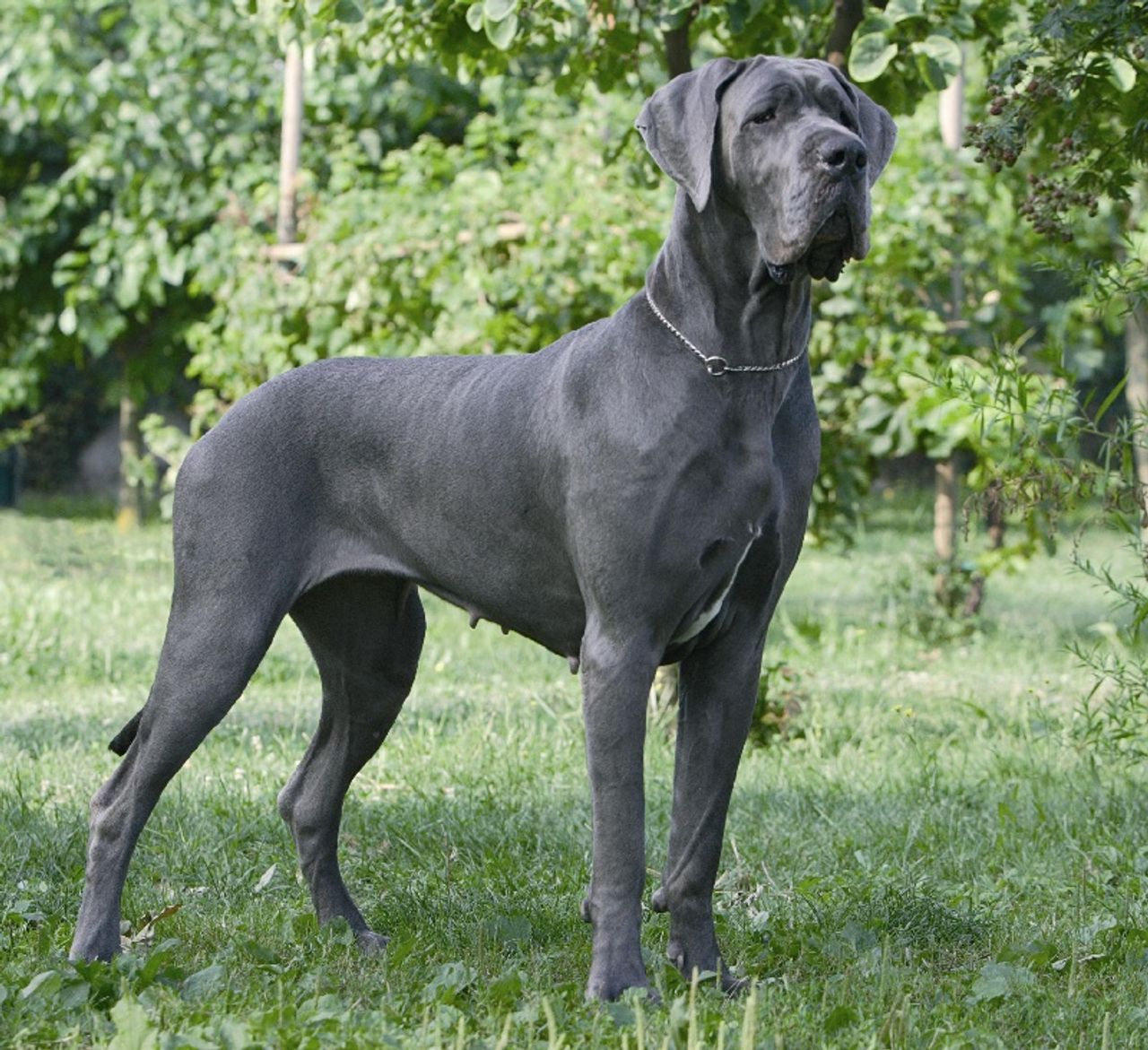
Despite their massive size, Great Danes have a surprisingly fast metabolism. In fact, they can burn up to 2,500 calories per day, depending on their age, weight, and activity level. As a deep-chested breed, Great Danes are prone to bloat, making it essential to manage their food intake carefully. Their short, thin coat also makes them sensitive to cold temperatures, which can affect their appetite and nutritional needs. With their gentle and patient nature, Great Danes are often described as gentle giants, but their feeding requirements are far from gentle. A well-planned feeding schedule is crucial to maintain their optimal weight, prevent common health issues, and ensure they lead a happy and healthy life.
What to look for
Puppy Feeding
Great Dane puppies require a nutrient-rich diet to support their rapid growth. Feed them 3-4 times a day, with portion sizes increasing gradually as they grow. Divide their daily ration into smaller meals to prevent bloat and digestive issues. As they mature, reduce the frequency of meals to 2-3 times a day, while maintaining a balanced diet.
Adult Feeding
Adult Great Danes need a balanced diet that meets their energy requirements. Feed them 2-3 times a day, with portion sizes adjusted according to their activity level and weight. For example, a sedentary Great Dane may require 2,000 calories per day, while an active one may need up to 3,000 calories. Monitor their weight and adjust their food intake accordingly to prevent obesity and related health issues.
Weight Management
Great Danes are prone to obesity, which can exacerbate common health issues like hip dysplasia and joint problems. Monitor their weight regularly and adjust their food intake to maintain a healthy weight. Aim for a body condition score of 4-5, where you can feel their ribs without excess fat covering them. Avoid overfeeding, as this can lead to a range of health problems.
Meal Frequency and Timing
Great Danes benefit from a consistent feeding schedule, with meals spaced evenly apart. Feed them at the same time every day, taking care to avoid exercising them immediately after meals to prevent bloat. For example, feed them in the morning and evening, with a gap of at least 2 hours between meals and exercise.
Adjusting to Life Changes
As Great Danes age or experience changes in their activity level or health, their nutritional needs may change. Be prepared to adjust their diet accordingly, consulting with a veterinarian to determine the best course of action. For example, a Great Dane with heart issues may require a restricted diet, while one with joint problems may benefit from supplements like glucosamine and chondroitin.
Frequently asked questions
How often should I feed my Great Dane puppy?
Feed your Great Dane puppy 3-4 times a day, with portion sizes increasing gradually as they grow. As they mature, reduce the frequency of meals to 2-3 times a day, while maintaining a balanced diet.
What is the ideal weight for my Great Dane?
The ideal weight for a Great Dane varies depending on their age, sex, and activity level. Generally, males weigh between 120-175 pounds, while females weigh between 100-145 pounds. Consult with a veterinarian to determine the ideal weight for your Great Dane.
Can I feed my Great Dane once a day?
While it may be convenient to feed your Great Dane once a day, it's not recommended. Great Danes are prone to bloat, and eating one large meal a day can increase this risk. Instead, feed them 2-3 times a day, with portion sizes adjusted according to their activity level and weight.
How can I prevent my Great Dane from becoming obese?
To prevent your Great Dane from becoming obese, monitor their weight regularly and adjust their food intake accordingly. Avoid overfeeding, and ensure they get regular exercise, such as daily walks and playtime. Consult with a veterinarian to determine the best diet and exercise plan for your Great Dane.
What are the signs of bloat in Great Danes, and how can I prevent it?
Signs of bloat in Great Danes include vomiting, retching, and a swollen abdomen. To prevent bloat, feed your Great Dane smaller, more frequent meals, avoid exercising them immediately after meals, and elevate their food and water bowls to reduce swallowing air. Consult with a veterinarian if you suspect your Great Dane has bloat, as prompt treatment is essential.
To keep your Great Dane healthy and thriving, it's essential to provide a balanced diet that meets their nutritional needs, while also managing their weight and preventing common health issues. By following a well-planned feeding schedule and consulting with a veterinarian, you can help your Great Dane lead a happy and healthy life. Remember, every Great Dane is different, so be prepared to adjust their diet accordingly as they grow and mature.
More for your Great Dane
Other breed-matched picks worth a look.