How Much to Feed a Maine Coon
By PetEssentialist Team · Updated June 2026 · How we review
We independently research and pick every product. When you buy through our links we may earn a commission, at no extra cost to you. How this works.
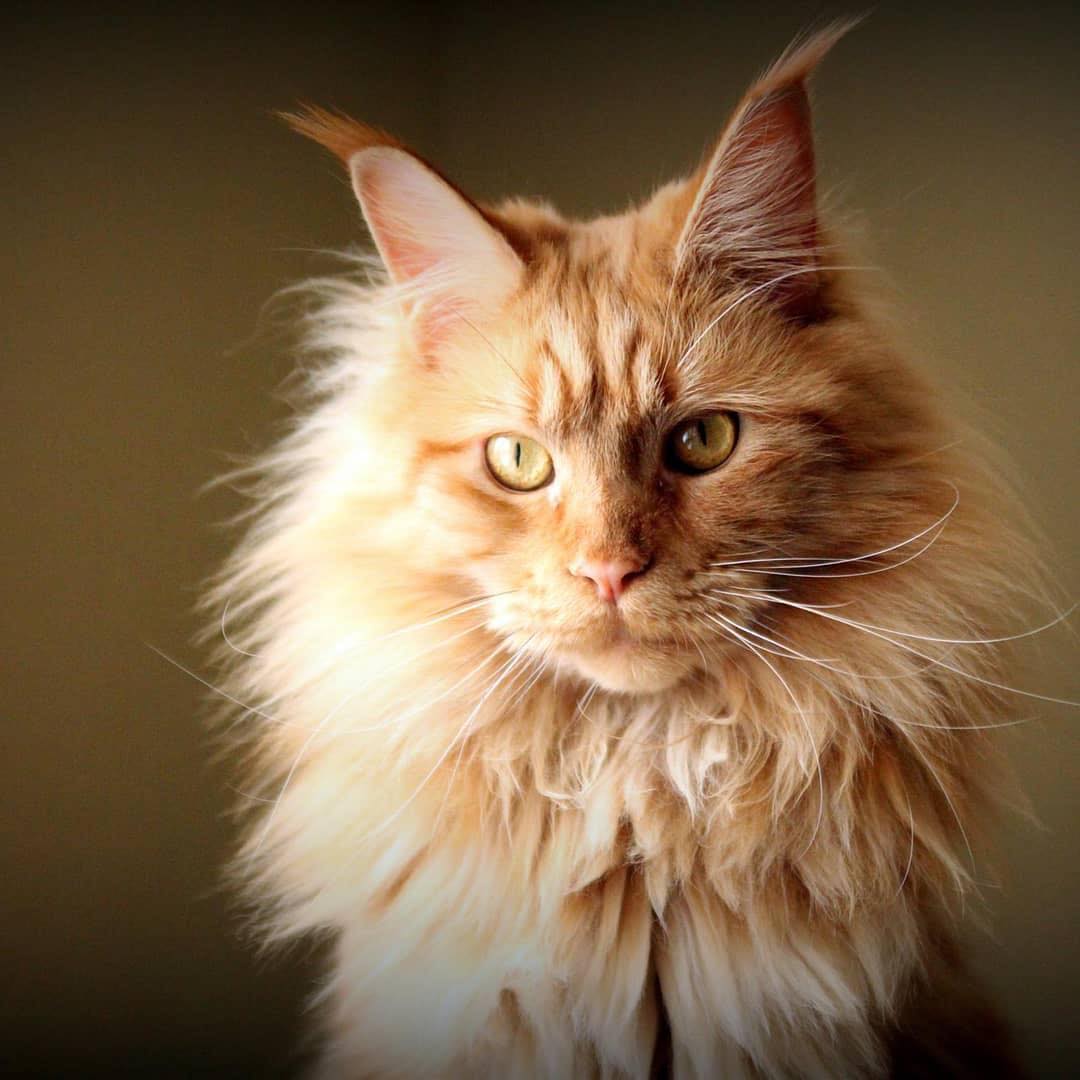
The Maine Coon's large size and thick, double coat require a tailored feeding approach to maintain a healthy weight and prevent common issues like hip dysplasia and hairballs. A typical Maine Coon weighs between 8-18 pounds, with some males reaching up to 25 pounds, making them one of the largest domestic breeds. Their moderate energy level and playful temperament mean they need a balanced diet that meets their nutritional needs without overfeeding. Maine Coon owners should focus on providing a nutrient-rich diet that supports their cat's overall health, rather than just filling their food bowl. The breed's high shedding and grooming needs also mean that owners should be mindful of their cat's digestive health and consider a diet that reduces hairball formation. By understanding the specific needs of the Maine Coon, owners can create a feeding plan that promotes optimal health and well-being. A well-structured feeding plan for a Maine Coon should take into account their age, weight, and activity level, as well as their individual characteristics and health status. This guide will provide owners with the information they need to create a personalized feeding plan for their Maine Coon, including portion sizes, meal frequency, and tips for adjusting their cat's diet as needed.
What to look for
Determine Your Cat's Ideal Weight
The first step in creating a feeding plan for your Maine Coon is to determine their ideal weight. This will depend on their age, size, and body condition, as well as their individual characteristics and health status. Owners can consult with their veterinarian to determine their cat's ideal weight and create a plan to achieve it. It's essential to monitor your cat's weight regularly, as excess weight can increase the risk of health problems like hip dysplasia and diabetes.
Choose the Right Food
Maine Coons require a nutrient-rich diet that meets their specific needs. Look for a high-quality cat food that is formulated for large breeds and contains ingredients that support joint health and digestive health. Consider a food that is high in protein and moderate in fat, with added supplements like omega-3 fatty acids and glucosamine. Avoid fillers and by-products, and opt for a food that is made with whole ingredients.
Calculate Portion Sizes
Once you've determined your cat's ideal weight and chosen the right food, it's time to calculate their portion sizes. The amount of food your Maine Coon needs will depend on their age, weight, and activity level, as well as their individual characteristics and health status. A general rule of thumb is to feed 2-3% of your cat's body weight per day, divided into 2-3 meals. However, this may vary depending on your cat's individual needs, and owners should consult with their veterinarian to determine the best feeding schedule for their cat.
Adjust for Age and Activity Level
Maine Coons have different nutritional needs at different stages of their life, and their activity level can also impact their feeding needs. Kittens, for example, require more protein and calories than adult cats, while senior cats may require fewer calories and more supplements to support joint health. Owners should adjust their cat's portion sizes and feeding schedule accordingly, taking into account their cat's age, weight, and activity level.
Monitor and Adjust
Finally, it's essential to monitor your cat's weight and adjust their feeding plan as needed. Owners should weigh their cat regularly and adjust their portion sizes and feeding schedule accordingly. They should also be aware of signs of overfeeding or underfeeding, such as weight gain or loss, changes in appetite, or digestive issues. By monitoring their cat's health and adjusting their feeding plan as needed, owners can help their Maine Coon maintain a healthy weight and prevent common health problems.
Frequently asked questions
How often should I feed my Maine Coon?
The frequency of feeding will depend on your cat's age, weight, and activity level. Kittens may require 3-4 meals per day, while adult cats may only need 2 meals per day. Senior cats may require fewer meals, but more frequent feeding to support their digestive health. Owners should consult with their veterinarian to determine the best feeding schedule for their cat.
What is the best food for my Maine Coon?
The best food for your Maine Coon will depend on their individual needs and health status. Look for a high-quality cat food that is formulated for large breeds and contains ingredients that support joint health and digestive health. Consider a food that is high in protein and moderate in fat, with added supplements like omega-3 fatty acids and glucosamine.
How can I prevent hairballs in my Maine Coon?
Hairballs are a common problem in Maine Coons due to their thick, double coat. To prevent hairballs, owners can try feeding a food that is high in fiber and contains ingredients that support digestive health. They can also try adding a small amount of canned pumpkin or psyllium to their cat's food to help support digestive health and reduce hairball formation.
Can I free-feed my Maine Coon?
Free-feeding, or leaving food out all the time, is not recommended for Maine Coons. This can lead to overeating and weight gain, which can increase the risk of health problems like hip dysplasia and diabetes. Instead, owners should feed their cat at set times and monitor their food intake to ensure they are getting the right amount of nutrients.
How can I tell if my Maine Coon is overweight?
To determine if your Maine Coon is overweight, look for signs such as a visible belly, lack of definition between the ribs and hips, and difficulty walking or playing. Owners can also use a body condition scoring system to evaluate their cat's weight and body condition. If you suspect your cat is overweight, consult with your veterinarian to determine the best course of action and create a weight loss plan.
By following these guidelines and consulting with their veterinarian, Maine Coon owners can create a personalized feeding plan that meets their cat's unique needs and supports their overall health and well-being. Remember to monitor your cat's weight and adjust their feeding plan as needed to prevent common health problems and ensure a long, healthy life for your Maine Coon. With patience, attention to detail, and a commitment to providing the best possible care, owners can help their Maine Coon thrive and reach their full potential.
More for your Maine Coon
Other breed-matched picks worth a look.