How Much to Feed a Scottish Fold
By PetEssentialist Team · Updated June 2026 · How we review
We independently research and pick every product. When you buy through our links we may earn a commission, at no extra cost to you. How this works.
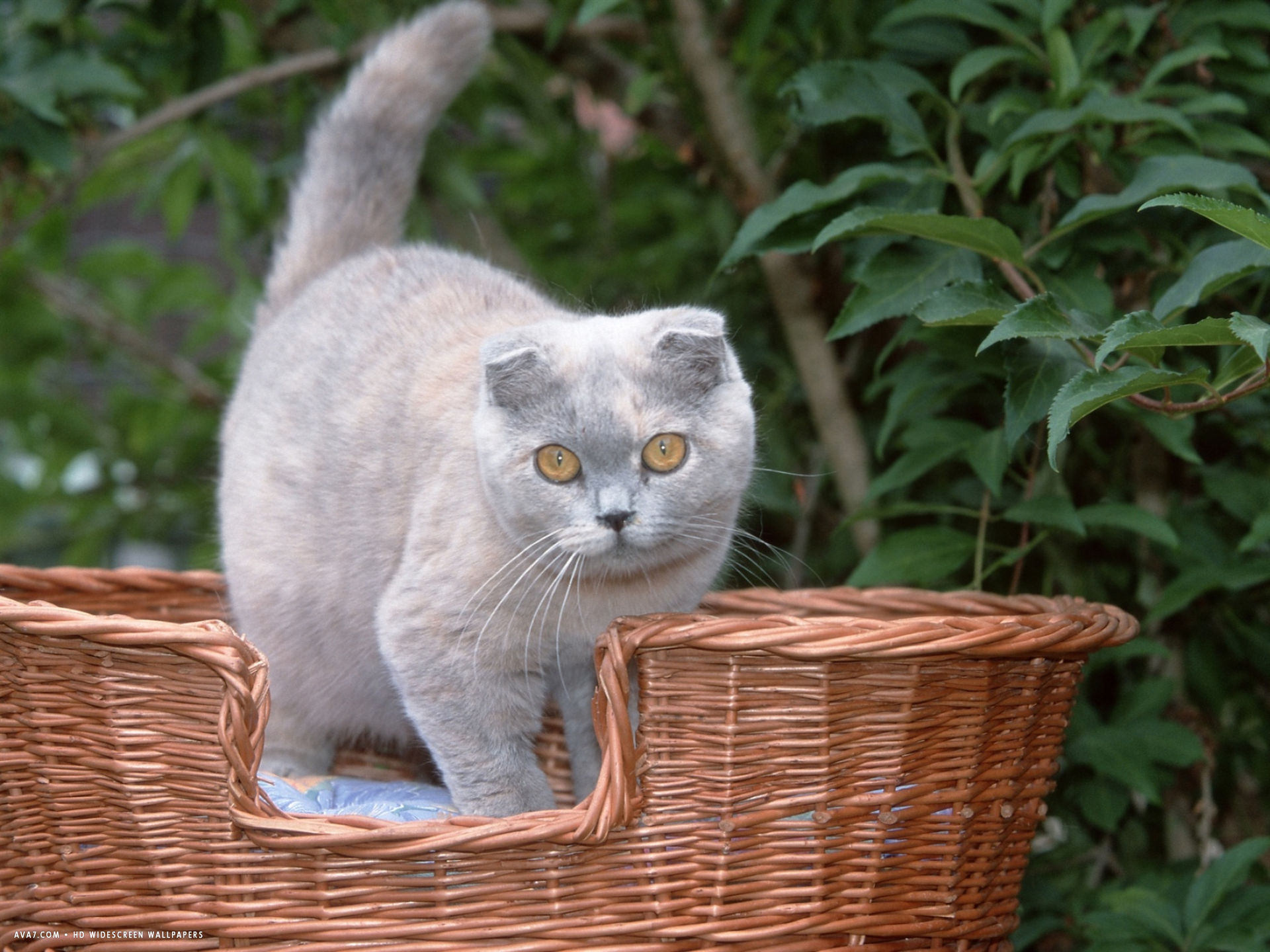
A typical morning for a Scottish Fold owner begins with a gentle head butt or soft mew, signaling that it's time for breakfast. As the day unfolds, it's not uncommon for these affectionate cats to follow their owners around the house, always eager for attention and play. However, their moderate energy level and tendency to become overweight if overfed mean that Scottish Fold owners need to be mindful of their cat's diet. With their short or long dense coats and moderate shedding, Scottish Folds require a balanced diet that meets their nutritional needs without overloading them with calories. Their sweet and calm temperament makes them easy to care for, but their propensity for joint issues due to osteochondrodysplasia means that owners should prioritize joint health and weight management. As Scottish Fold owners know, their cat's folded ears are a distinctive feature, but they also come with a higher risk of cartilage and joint problems. By feeding their cat the right amount of food, owners can help prevent obesity and related health issues, ensuring their Scottish Fold lives a long and healthy life of 11-15 years.
What to look for
Kittenhood (0-12 months)
During the first year, Scottish Fold kittens need to be fed 3-4 times a day, with portion sizes adjusted according to their weight and activity level. A general rule of thumb is to feed 1/4 to 1/2 cup of food per 10 pounds of body weight per day. As they grow, owners should monitor their kitten's weight and adjust feeding amounts accordingly to prevent overfeeding.
Adulthood (1-10 years)
Adult Scottish Folds require 2-3 meals per day, with portion sizes based on their weight and activity level. For example, a sedentary Scottish Fold may require 1/4 cup of food per 10 pounds of body weight per day, while an active cat may need 1/2 cup per 10 pounds. Owners should also consider their cat's individual needs, such as joint support, when selecting a food.
Seniorhood (10+ years)
As Scottish Folds age, their metabolism slows, and they may require fewer calories. Owners should adjust their cat's portion sizes accordingly, taking into account any health issues that may have developed, such as arthritis or kidney disease. A general rule of thumb is to reduce feeding amounts by 1/4 to 1/2 cup per 10 pounds of body weight per day.
Adjusting for Activity Level
Scottish Folds that are more active, such as those that play regularly or have access to outdoor enclosures, may require more food to maintain their weight. Conversely, less active cats may require fewer calories to prevent obesity. Owners should monitor their cat's activity level and adjust feeding amounts accordingly.
Monitoring Progress
Regular weigh-ins and body condition assessments are crucial to ensuring Scottish Folds are at a healthy weight. Owners should work with their veterinarian to determine a healthy weight range for their cat and adjust feeding amounts as needed to maintain that range.
Frequently asked questions
How often should I feed my Scottish Fold?
The frequency of feeding depends on the age and activity level of your Scottish Fold. Kittens require 3-4 meals per day, while adults can be fed 2-3 times per day. Seniors may require fewer meals, depending on their individual needs.
What is the ideal weight for a Scottish Fold?
The ideal weight for a Scottish Fold depends on their age, size, and muscle tone. Generally, a healthy weight range for Scottish Folds is between 6-13 pounds, with males tends to be larger than females.
Can I free-feed my Scottish Fold?
It's not recommended to free-feed Scottish Folds, as this can lead to overeating and obesity. Instead, feed your cat at set times and in portion sizes that meet their individual needs.
How can I ensure my Scottish Fold is getting enough joint support?
Scottish Folds are prone to joint issues due to osteochondrodysplasia, so it's essential to provide them with a balanced diet that includes joint support. Look for foods that contain glucosamine and chondroitin, and consider adding joint supplements to their diet.
What are the signs of obesity in Scottish Folds?
Signs of obesity in Scottish Folds include a visible belly, lack of definition between the ribs and hips, and a body condition score of 7 or higher. If you suspect your Scottish Fold is overweight, consult with your veterinarian to develop a weight loss plan.
To keep your Scottish Fold at a healthy weight, it's essential to feed them the right amount of food, taking into account their age, activity level, and individual needs. By monitoring their weight and adjusting feeding amounts accordingly, owners can help prevent obesity and related health issues, ensuring their Scottish Fold lives a long and happy life. Consult with your veterinarian to determine the best feeding plan for your cat.
More for your Scottish Fold
Other breed-matched picks worth a look.