How Much to Feed a Siberian
By PetEssentialist Team · Updated June 2026 · How we review
We independently research and pick every product. When you buy through our links we may earn a commission, at no extra cost to you. How this works.
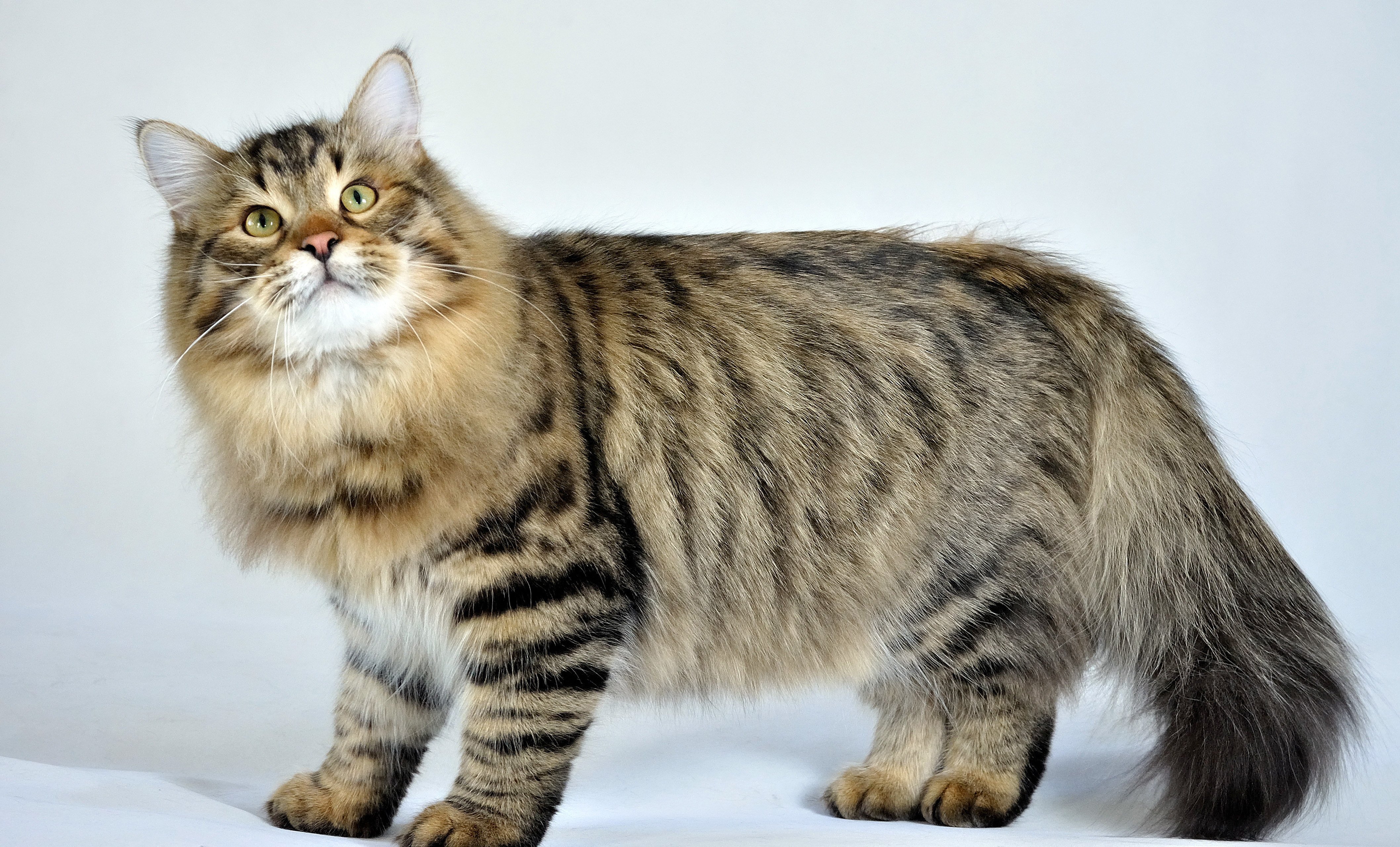
A Siberian's thick triple coat and moderate energy level require a balanced diet that meets their nutritional needs. Feeding the right amount is crucial to prevent obesity and related health issues, such as heart disease and dental problems. Proper nutrition also helps to reduce shedding and prevent hairballs, common issues in this breed. Siberian owners need to consider their cat's age, weight, and activity level when determining the ideal feeding schedule. Kittens, for example, require more frequent meals than adult cats, while older cats may need fewer calories to maintain a healthy weight. By understanding these factors, owners can create a feeding plan that supports their Siberian's overall health and well-being. A well-fed Siberian is a happy and healthy one, with a shiny coat and plenty of energy for play. By following a few key principles, owners can ensure their cat is getting the nutrients they need to thrive.
What to look for
Kitten Feeding
Siberian kittens require 3-4 meals per day until they are about six months old. At this age, they can be switched to twice daily feeding. Kittens need a high-calorie diet to support their rapid growth and development, so owners should choose a nutrient-rich food specifically formulated for kittens.
Adult Feeding
Adult Siberians typically need 2 meals per day, with portion sizes based on their weight and activity level. A sedentary cat may need fewer calories than a highly active one, so owners should adjust the feeding schedule accordingly. A general rule of thumb is to feed 2-3% of the cat's body weight per day, divided into two meals.
Senior Feeding
As Siberians age, their nutritional needs change. Senior cats may need fewer calories and more fiber to support digestive health. Owners should switch to a senior-specific food around age 10-12, and consider adding supplements to support joint health and other age-related issues.
Adjusting for Activity Level
Siberians are moderately energetic, but some individuals may be more active than others. Owners should adjust the feeding schedule based on their cat's activity level, with more active cats requiring more calories to support their energy needs. A good rule of thumb is to increase or decrease food intake by 10-15% based on the cat's activity level.
Monitoring Weight
Regular weight checks are crucial to ensure the Siberian is at a healthy weight. Owners should weigh their cat monthly and adjust the feeding schedule as needed to prevent obesity or underweight. A veterinarian can help determine the ideal weight range for the individual cat and provide guidance on creating a weight management plan.
Frequently asked questions
How often should I feed my Siberian kitten?
Siberian kittens require 3-4 meals per day until they are about six months old. At this age, they can be switched to twice daily feeding. It's essential to follow a nutrient-rich diet specifically formulated for kittens to support their rapid growth and development.
What is the ideal weight range for a Siberian cat?
The ideal weight range for a Siberian cat is between 8-17 pounds, depending on the individual cat's muscle tone and body condition. A veterinarian can help determine the ideal weight range for the cat and provide guidance on creating a weight management plan.
Can I free-feed my Siberian cat?
It's not recommended to free-feed a Siberian cat, as this can lead to overeating and obesity. Instead, owners should follow a scheduled feeding plan, with portion sizes based on the cat's weight and activity level.
How can I prevent hairballs in my Siberian cat?
Regular grooming and a balanced diet can help reduce shedding and prevent hairballs in Siberian cats. Owners can also consider adding a small amount of fiber to the cat's food to support digestive health and reduce hairball formation.
What are the common health issues related to feeding in Siberian cats?
Common health issues related to feeding in Siberian cats include obesity, heart disease, and dental problems. Regular veterinary check-ups and a balanced diet can help prevent or manage these conditions. Owners should also monitor their cat's weight and adjust the feeding schedule as needed to prevent obesity and related health issues.
By following these guidelines and consulting with a veterinarian, Siberian owners can create a feeding plan that meets their cat's unique needs and supports their overall health and well-being. Remember to monitor weight regularly and adjust the feeding schedule as needed to prevent obesity and related health issues. With the right nutrition and care, a Siberian cat can thrive and enjoy a long, happy life.
More for your Siberian
Other breed-matched picks worth a look.