How Much to Feed a Siberian Husky
By PetEssentialist Team · Updated June 2026 · How we review
We independently research and pick every product. When you buy through our links we may earn a commission, at no extra cost to you. How this works.
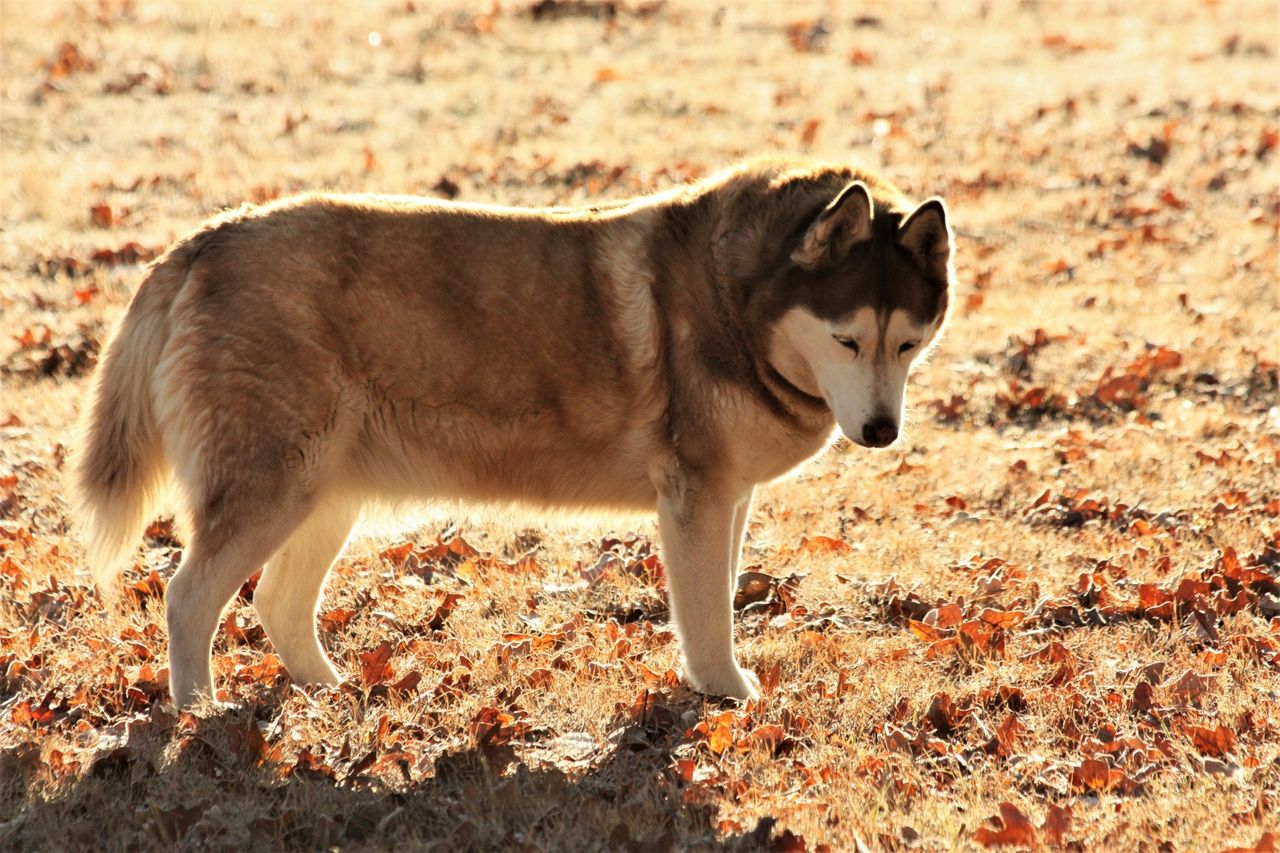
A Siberian Husky's diet requires careful consideration of their high energy level and thick double coat, which sheds heavily and needs regular grooming. Their athletic temperament demands a nutrient-rich diet to support their active lifestyle. As a medium-sized breed, they typically weigh between 35-60 pounds, and their food intake should be adjusted accordingly to maintain a healthy weight and prevent common health issues like hip dysplasia. Their outgoing and mischievous nature can also lead to overeating or underexercising if not monitored properly. Understanding the unique needs of this breed is crucial to providing the right amount of food and ensuring they receive the necessary nutrients for optimal health. With their life span of 12-15 years, it's essential to establish a well-planned feeding schedule from an early age to promote a long and healthy life.
What to look for
Puppyhood (0-12 months)
During this stage, Siberian Husky puppies require a high-calorie diet to support their rapid growth and development. Feed them 3-4 times a day, with portion sizes increasing as they grow. Monitor their weight and adjust food intake accordingly to prevent overfeeding or underfeeding.
Adulthood (1-7 years)
Adult Siberian Huskies need a balanced diet that meets their high energy requirements. Feed them 2-3 times a day, with portion sizes based on their weight and activity level. For example, an active adult Husky may require more food than a less active one.
Seniorhood (8+ years)
As Siberian Huskies age, their metabolism slows down, and their energy requirements decrease. Feed them 2 times a day, with portion sizes adjusted to maintain a healthy weight and prevent obesity. Monitor their health and adjust their diet accordingly to address any age-related health issues.
Activity Level
Siberian Huskies are highly energetic and require a diet that supports their athletic lifestyle. If your Husky is highly active, they may require more food to replenish energy stores. Conversely, if they are less active, they may require less food to prevent weight gain.
Adjusting Portion Sizes
Regularly monitor your Siberian Husky's weight and adjust their food intake accordingly. Increase or decrease portion sizes based on their activity level, age, and overall health. Consult with a veterinarian for personalized feeding recommendations.
Frequently asked questions
How often should I feed my Siberian Husky?
The frequency of feeding depends on the age and activity level of your Siberian Husky. Puppies require 3-4 meals a day, while adults and seniors require 2-3 meals a day. Adjust the frequency based on your dog's individual needs and consult with a veterinarian for personalized advice.
What is the ideal weight range for a Siberian Husky?
The ideal weight range for a Siberian Husky is between 35-60 pounds, depending on their age, sex, and activity level. Monitor your dog's weight regularly and adjust their food intake to maintain a healthy weight and prevent obesity.
Can I feed my Siberian Husky a raw diet?
While some owners prefer a raw diet for their Siberian Huskies, it's essential to consult with a veterinarian to ensure the diet is balanced and meets their nutritional needs. A raw diet can be beneficial, but it requires careful planning and monitoring to prevent nutritional deficiencies.
How can I prevent overfeeding my Siberian Husky?
To prevent overfeeding, monitor your Siberian Husky's weight regularly and adjust their food intake accordingly. Use a measuring cup to ensure accurate portion sizes, and avoid free-feeding or leaving food out all day. Consult with a veterinarian for personalized feeding recommendations.
What health issues can arise from improper feeding?
Improper feeding can lead to various health issues in Siberian Huskies, including obesity, hip dysplasia, and eye conditions. A balanced and nutrient-rich diet is crucial to preventing these health issues and promoting a long and healthy life.
To ensure your Siberian Husky leads a healthy and energetic life, it's crucial to provide a well-planned and balanced diet that meets their unique needs. By considering their age, weight, and activity level, you can adjust their food intake to promote optimal health and prevent common health issues. Consult with a veterinarian for personalized feeding recommendations and monitor your dog's health regularly to make adjustments as needed.
More for your Siberian Husky
Other breed-matched picks worth a look.