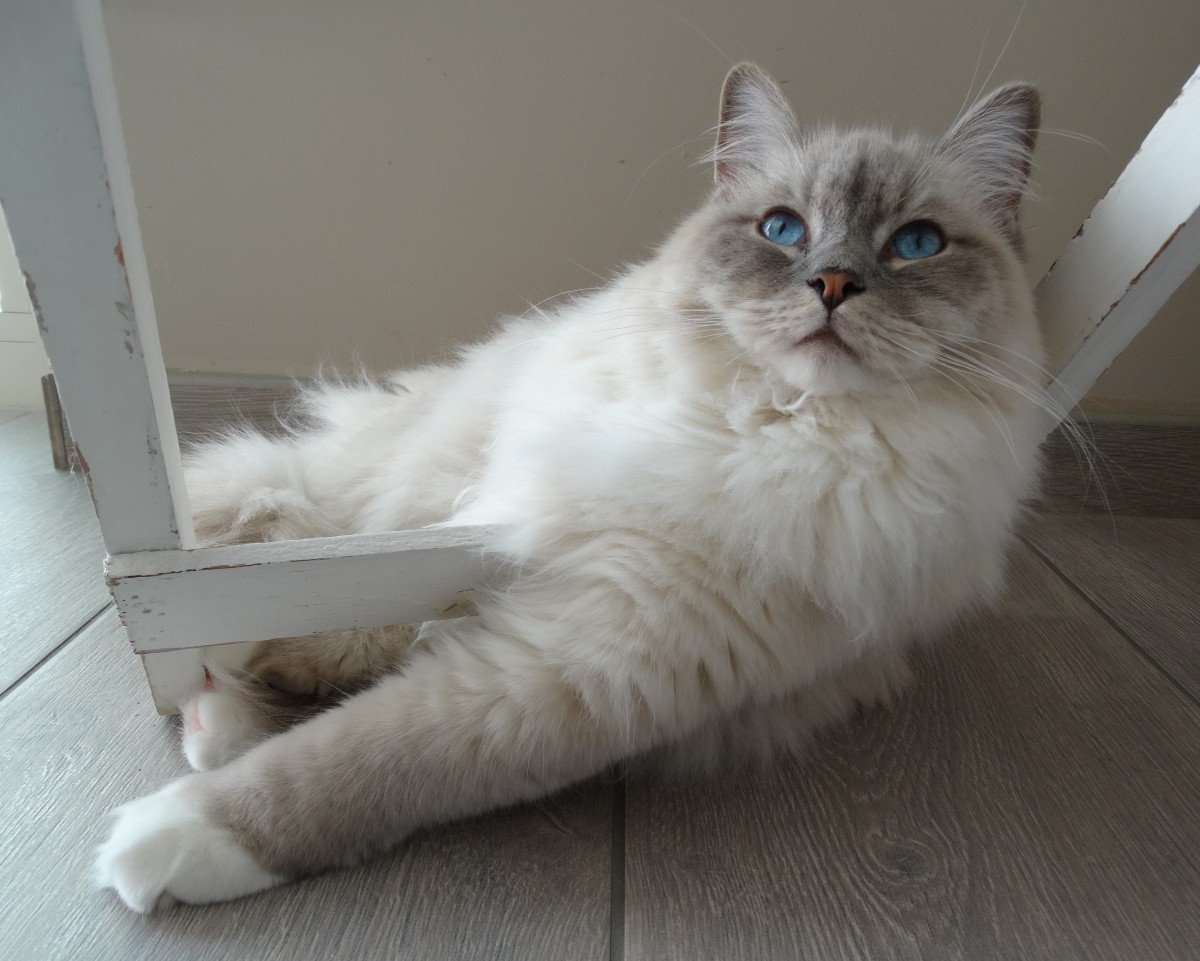
How to Groom a Himalayan
By PetEssentialist Team · Updated June 2026 · How we review
We independently research and pick every product. When you buy through our links we may earn a commission, at no extra cost to you. How this works.
The Himalayan's stunning long, thick coat requires daily attention to prevent matting and tangling. As a colorpoint Persian cross, this breed's flat face and low energy level mean they need gentle, regular grooming to stay healthy and happy. Their calm and affectionate nature makes them a joy to groom, but their high shedding and potential for hairballs demand a committed approach. Given their size, typically weighing between 7-12 pounds, and their life span of 9-15 years, investing time in a regular grooming routine is essential for maintaining their overall health and well-being. Common health issues such as PKD, brachycephalic airway syndrome, and tear staining also underscore the importance of careful grooming practices. Understanding the Himalayan's specific needs and attributes is crucial for developing an effective at-home grooming routine. By acknowledging their unique characteristics, owners can tailor their approach to meet the breed's distinctive requirements, ensuring their cat remains healthy, content, and visually stunning.
What to look for
Brushing Frequency and Tools
Himalayans require daily brushing to prevent matting and tangling of their long, thick coat. A slicker brush or a pin brush with flexible pins is ideal for gently working out knots and distributing skin oils. Owners should aim for at least 10-15 minutes of brushing per session, ideally twice a day, to keep their coat in optimal condition.
Bathing and Cleaning
Despite their high shedding, Himalayans do not need frequent bathing. However, occasional bathing is necessary to remove dirt and oils that can accumulate on their coat. A mild shampoo and warm water should be used, taking care to avoid getting water in their eyes, ears, or nose due to their flat face. After bathing, a thorough drying is essential to prevent chilling and skin irritation.
Nail Trimming and Care
Himalayans' low energy level means they may not wear down their nails as much as more active breeds, making regular trimming essential to prevent overgrowth. Owners should trim their cat's nails every 4-6 weeks, taking care not to cut the quick. Additionally, providing scratching posts can help maintain nail health and condition.
Ear Care and Cleaning
The Himalayan's ears require regular inspection and cleaning to prevent wax buildup and potential infections. Owners should gently wipe the outer ear with a cotton ball, avoiding the ear canal, and consult a veterinarian if they notice any signs of infection or discomfort.
Health Considerations
Given the Himalayan's predisposition to certain health issues, such as PKD and dental disease, regular grooming sessions provide an opportunity for owners to monitor their cat's health. Checking for signs of illness, such as changes in appetite, vomiting, or difficulty breathing, and consulting a veterinarian at the first sign of trouble is crucial for early intervention and treatment.
Frequently asked questions
How often should I brush my Himalayan's coat?
Daily brushing is recommended to prevent matting and tangling, with sessions lasting at least 10-15 minutes, ideally twice a day.
Can I bathe my Himalayan as frequently as I bathe myself?
No, Himalayans do not require frequent bathing. Bathing should be done occasionally, using mild shampoo and warm water, and taking care to avoid sensitive areas.
Why is regular nail trimming important for my Himalayan?
Regular nail trimming prevents overgrowth, which can be painful and lead to health issues. Trimming every 4-6 weeks is recommended, along with providing scratching posts for nail maintenance.
How can I prevent hairballs in my Himalayan?
Regular grooming, including daily brushing, can help reduce the amount of loose hair swallowed, thereby reducing the risk of hairballs. Additionally, providing plenty of water and a balanced diet can help move hair through the digestive system.
What are the signs of PKD that I should look out for in my Himalayan?
Signs of Polycystic Kidney Disease (PKD) in Himalayans can include increased thirst and urination, vomiting, weight loss, and abdominal distension. If you notice any of these symptoms, consult a veterinarian for proper diagnosis and treatment.
For Himalayan owners, a committed approach to grooming is essential for maintaining their cat's health, happiness, and stunning appearance. By understanding and addressing the breed's unique needs, such as daily brushing, occasional bathing, regular nail trimming, and monitoring for health issues, owners can provide their Himalayan with the care they require to thrive. Regular grooming not only enhances the bond between owner and cat but also plays a critical role in preventing and identifying potential health issues early on.
More for your Himalayan
Other breed-matched picks worth a look.