Is a Akita the Right Dog for You?
By PetEssentialist Team · Updated June 2026 · How we review
We independently research and pick every product. When you buy through our links we may earn a commission, at no extra cost to you. How this works.
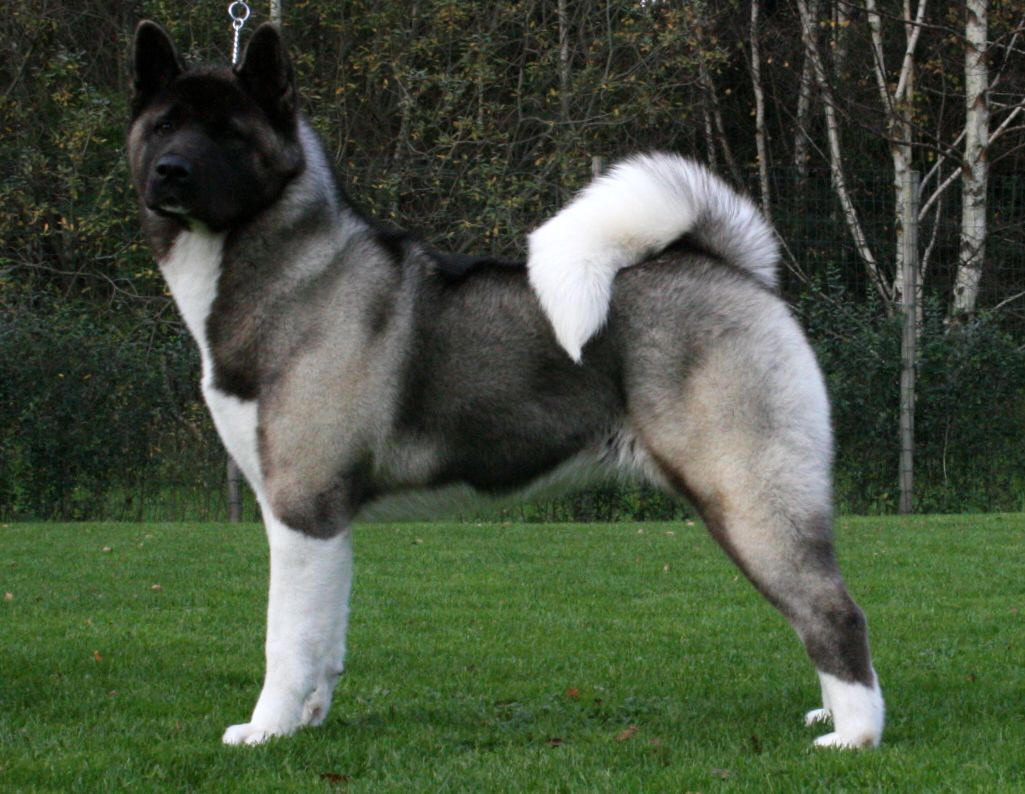
Despite their large size, Akitas are often described as 'velcro dogs' due to their strong loyalty and affection towards their family. However, their thick double coat, which blows out seasonally, requires moderate grooming and can be a challenge for some owners. With a lifespan of 10-13 years, Akitas are a long-term commitment that requires careful consideration of their needs and temperament. Akitas are dignified, courageous, and independent dogs that thrive on routine and clear boundaries. Their moderate energy level means they need regular exercise, but they are not high-strung or overly demanding. Nevertheless, their size and strength require a sturdy and durable living space, as well as gear that can withstand their power. Before deciding to bring an Akita into your life, it's essential to consider the breed's specific needs and whether they align with your lifestyle and living situation. This guide will help you navigate the key factors to consider when deciding if an Akita is the right dog for you.
What to look for
Space and Living Situation
Akitas require a spacious living area with enough room to move around comfortably. They need a sturdy and durable living space that can withstand their size and strength. A securely fenced yard is also essential to prevent escape and ensure their safety. Apartment dwellers may find it challenging to provide the necessary space and exercise for an Akita, making them more suitable for homes with a large yard.
Grooming and Shedding
Akitas have a thick double coat that sheds heavily, particularly during seasonal changes. They require regular grooming to prevent matting and tangling, as well as to reduce shedding. Owners must be prepared to invest time and effort into grooming their Akita, including daily brushing and regular nail trimming, ear cleaning, and bathing.
Exercise and Activity Level
Akitas have a moderate energy level, requiring regular exercise to maintain their physical and mental health. They need daily walks, playtime, and mental stimulation to prevent boredom and destructive behavior. However, they are not high-strung or overly demanding, making them a suitable choice for owners who want a loyal companion without excessive exercise needs.
Training and Socialization
Akitas are independent and strong-willed, requiring consistent and positive training from an early age. They need socialization to people, other animals, and new environments to prevent fear and aggression. Owners must be prepared to invest time and effort into training and socializing their Akita, including puppy classes, obedience training, and regular socialization sessions.
Health and Veterinary Care
Akitas are prone to certain health issues, including hip dysplasia, hypothyroidism, bloat, eye conditions, and autoimmune disorders. Regular veterinary check-ups, preventative care, and a healthy diet are essential to maintaining their health and detecting potential issues early. Owners must be prepared for the potential costs and commitment of caring for an Akita's health needs.
Frequently asked questions
Are Akitas good with children?
Akitas can be good with children if socialized and trained properly. However, their large size and independent nature mean they may not be suitable for very young children, and owners must supervise interactions closely. With proper training and socialization, Akitas can make loyal and loving family pets.
Do Akitas make good guard dogs?
Akitas are naturally protective of their family and territory, making them effective guard dogs. However, their independent nature means they may not always respond to commands or threats as expected. With proper training and socialization, Akitas can be reliable and loyal guardians of their family and home.
How much exercise does an Akita need?
Akitas require regular exercise to maintain their physical and mental health, including daily walks, playtime, and mental stimulation. They need at least 30 minutes of exercise per day, but this can vary depending on their age, size, and individual needs. Owners must be prepared to provide regular exercise and mental stimulation to prevent boredom and destructive behavior.
Can Akitas be left alone for long periods?
Akitas are social animals that thrive on interaction and attention from their family. They can become destructive or develop separation anxiety if left alone for extended periods. Owners must be prepared to provide regular attention, exercise, and mental stimulation to prevent boredom and stress. If left alone, Akitas require a secure and comfortable space with plenty of toys, treats, and mental stimulation.
Are Akitas expensive to care for?
Akitas can be expensive to care for, particularly due to their large size and potential health issues. Owners must be prepared for the costs of food, veterinary care, grooming, and supplies, which can range from $1,000 to $2,000 per year. However, with proper care and attention, Akitas can thrive and provide years of love and companionship to their family.
For the right owner, an Akita can be a loyal and loving companion. They thrive in homes with a large yard, an experienced owner, and a commitment to their specific needs and temperament. If you're willing to invest time, effort, and resources into caring for an Akita, they can provide a lifetime of love, loyalty, and companionship. Ultimately, the decision to bring an Akita into your life requires careful consideration of their needs and your ability to provide the necessary care and attention.
More for your Akita
Other breed-matched picks worth a look.