Is a Bengal the Right Cat for You?
By PetEssentialist Team · Updated June 2026 · How we review
We independently research and pick every product. When you buy through our links we may earn a commission, at no extra cost to you. How this works.
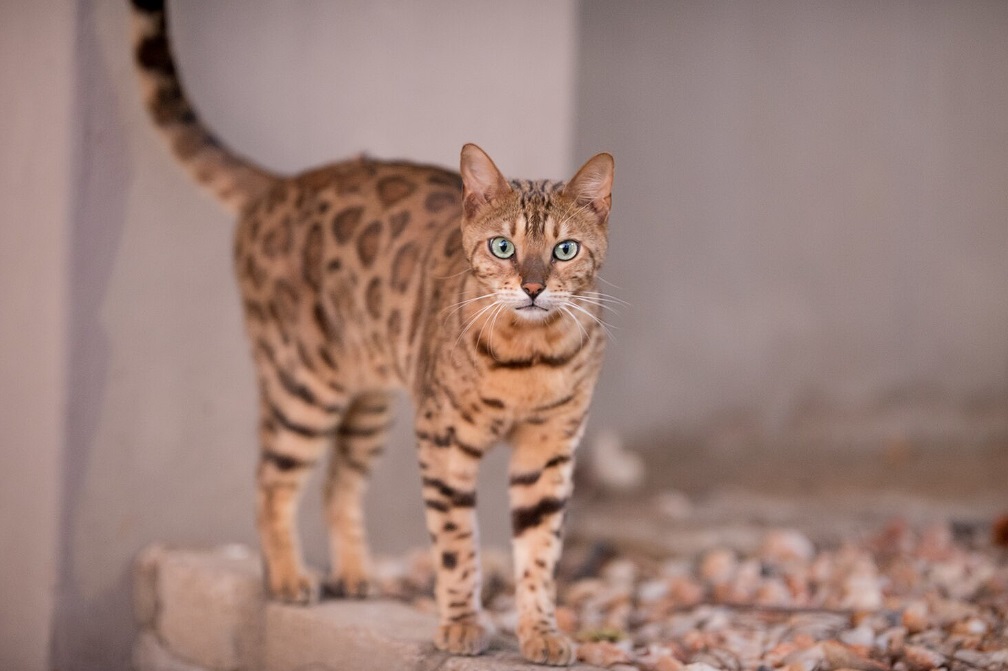
For cat enthusiasts who crave a pet that embodies the spirit of the wild, the Bengal breed is an undeniable temptation. With their distinctive short pelted coat and energetic demeanor, Bengals are not your average feline companions. They require a unique set of considerations, from a high-protein diet to a home that can accommodate their extreme athleticism and curiosity. Bengal owners often find themselves enthralled by the breed's playful and affectionate nature, but they also quickly realize that these cats demand a lot of attention, exercise, and mental stimulation. The breed's low shedding and grooming needs are a plus, but their high energy levels and potential health issues, such as heart problems and sensitive stomachs, mean that owners must be prepared to invest time and resources into their care. Before deciding if a Bengal is the right fit, it's essential to consider the realities of living with this breed, from their need for climbing structures and enrichment activities to their potential for mischief and mayhem if left unengaged.
What to look for
Assessing Your Lifestyle
Bengals thrive in households where they can receive ample attention and exercise. If you have a busy schedule or prefer a low-maintenance pet, a Bengal might not be the best choice. However, if you're an active person who enjoys engaging in play and providing mental stimulation, a Bengal could be an excellent companion. Consider your daily routine and whether you can dedicate time to play, train, and interact with your Bengal.
Space and Housing
Given their large size and high energy levels, Bengals require a spacious living environment that allows them to climb, jump, and play. A home with multiple levels or a spacious room for exercise is ideal. Additionally, Bengal owners should be prepared to invest in sturdy furniture and scratching posts to accommodate their cat's natural climbing instincts.
Diet and Nutrition
Bengals are prone to sensitive stomachs, so it's crucial to provide a high-quality, high-protein diet that meets their nutritional needs. Consult with a veterinarian to determine the best diet for your Bengal, and be prepared to make adjustments as needed to ensure their optimal health.
Health Considerations
Bengals are prone to certain health issues, such as heart problems and eye conditions. Regular veterinary check-ups and a commitment to preventative care are essential to ensuring your Bengal's long-term health. Be prepared to invest in regular health screenings and work with a reputable breeder who prioritizes health testing.
Long-Term Commitment
With a lifespan of 12-16 years, owning a Bengal is a long-term commitment. Before bringing a Bengal into your home, consider whether you're prepared to provide a stable and loving environment for the next decade or more. This includes planning for potential health issues, making arrangements for care when you're away, and dedicating time to maintaining your Bengal's physical and mental well-being.
Frequently asked questions
How much exercise does a Bengal need?
Bengals require a significant amount of exercise to stay happy and healthy. Aim for at least 2-3 play sessions per day, totaling around 30-60 minutes of activity. This can include playtime with toys, climbing, and interactive games.
Are Bengals suitable for families with young children?
While Bengals can be affectionate and playful, their high energy levels and potential for rough play make them a better fit for families with older children who understand how to interact with them gently. Supervision is always recommended when introducing a Bengal to young children.
Do Bengals make good apartment pets?
Bengals can thrive in apartments if provided with sufficient space and opportunities for exercise and mental stimulation. However, their loud vocalization and high energy levels may not be suitable for all apartment dwellers, especially those with shared walls or noise restrictions.
How often should I groom my Bengal?
Despite their short coat, Bengals still require regular grooming to remove loose hair and distribute skin oils. Aim for a quick grooming session 1-2 times per week, using a gentle brush or grooming glove.
Can Bengals be left alone for extended periods?
While Bengals can tolerate some alone time, they require regular interaction and mental stimulation to prevent boredom and destructive behavior. If you have a busy schedule, consider investing in puzzle toys, interactive games, or hiring a pet sitter to provide your Bengal with the attention they need.
For active and dedicated owners who can provide the necessary attention, exercise, and care, a Bengal can be a rewarding and loving companion. If you're willing to invest time and resources into your Bengal's physical and mental well-being, you'll be rewarded with a loyal and affectionate friend. Prioritize your Bengal's needs, and you'll find that the benefits of owning this unique and captivating breed far outweigh the challenges.
More for your Bengal
Other breed-matched picks worth a look.