Is a Burmese the Right Cat for You?
By PetEssentialist Team · Updated June 2026 · How we review
We independently research and pick every product. When you buy through our links we may earn a commission, at no extra cost to you. How this works.
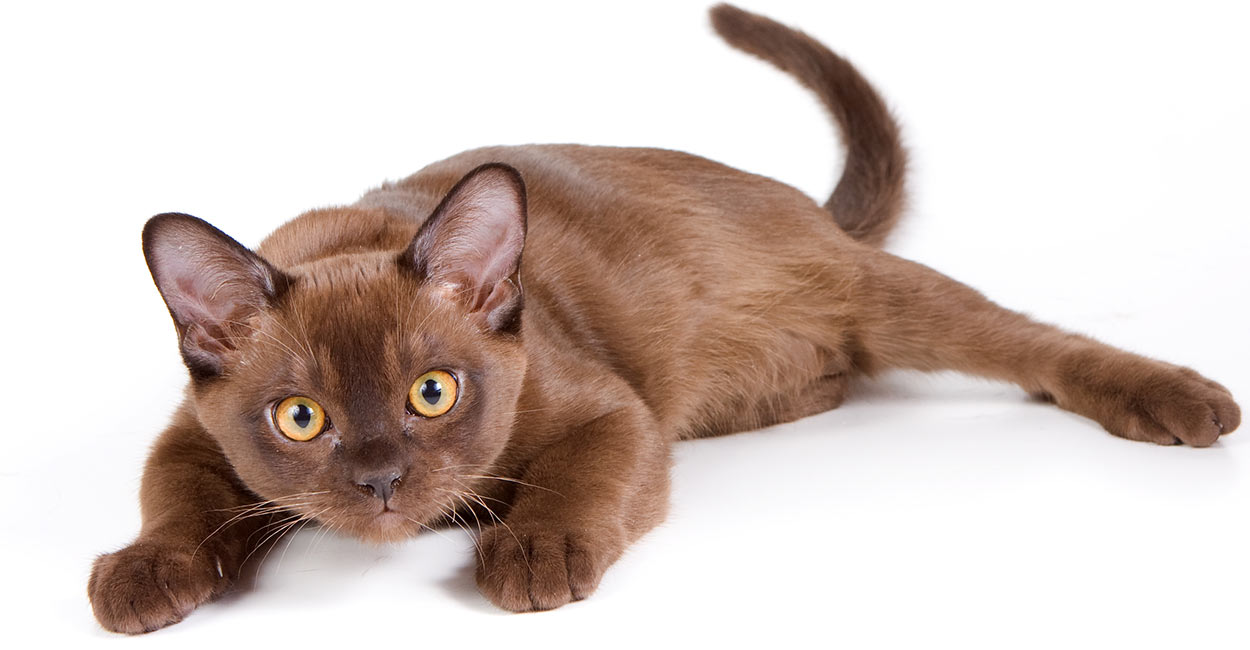
For potential owners considering a Burmese cat, it's essential to understand the breed's unique needs and characteristics. The Burmese is a medium-sized cat with a short, glossy coat that requires minimal grooming, making it an ideal choice for busy owners. However, their high energy level and affectionate nature mean they thrive on interaction and playtime, requiring a significant time commitment from their owners. With a lifespan of 16-18 years, owning a Burmese cat is a long-term commitment that should not be taken lightly. Their muscular build and dog-like personality make them a great fit for active owners who enjoy engaging in play and providing attention. Despite their relatively low-maintenance coat, Burmese cats are prone to certain health issues, such as diabetes and hypokalemia, which must be considered when deciding whether to bring one home. For those willing to provide the necessary care and attention, a Burmese cat can make a loving and loyal companion, forming strong bonds with their owners and providing endless entertainment with their playful and vocal nature.
What to look for
Time Commitment
Burmese cats require a significant amount of time and attention from their owners, including playtime, training, and socialization. Owners should be prepared to dedicate at least 2-3 hours per day to interacting with their Burmese cat. This can include playing with toys, engaging in agility activities, and simply cuddling and relaxing together. Failure to provide adequate attention can lead to boredom, destructive behavior, and a strained relationship between cat and owner.
Exercise and Stimulation
Due to their high energy level, Burmese cats need plenty of opportunities for exercise and mental stimulation. This can be achieved through playtime with toys, scratching posts, and climbing structures, as well as interactive games and puzzle toys. Owners should also consider providing a cat tree or climbing wall to allow their Burmese cat to exercise and observe their surroundings.
Health Considerations
Burmese cats are prone to certain health issues, such as diabetes, hypokalemia, and dental disease, which must be considered when deciding whether to bring one home. Regular veterinary check-ups, a balanced diet, and a healthy lifestyle can help mitigate these risks, but owners should be prepared for potential health issues and the associated costs.
Grooming and Maintenance
While Burmese cats have a low-maintenance coat, they still require regular grooming to prevent matting and tangling. A weekly brushing session can help keep their coat in good condition, and owners should also be prepared to clean their cat's litter box and living area regularly to prevent the buildup of bacteria and odors.
Cost and Budgeting
Owning a Burmese cat can be a significant financial investment, with costs including food, litter, veterinary care, and supplies. Owners should budget at least $50-75 per month for these expenses, and consider investing in pet insurance to cover unexpected veterinary bills. Additionally, owners should factor in the cost of toys, scratching posts, and other equipment to keep their Burmese cat entertained and stimulated.
Frequently asked questions
How often should I feed my Burmese cat?
Burmese cats are prone to obesity, so it's essential to feed them a balanced diet in moderation. Owners should aim to feed their Burmese cat 2-3 times per day, with a high-quality commercial cat food that meets their nutritional needs. Consult with a veterinarian to determine the best feeding schedule and diet for your Burmese cat.
Can Burmese cats get along with other pets?
Burmese cats are highly social and can get along well with other pets, including dogs and other cats, if introduced properly. However, they can be territorial and may require time to adjust to new pets in the household. Owners should introduce new pets slowly and under controlled circumstances to ensure a smooth transition.
How much playtime does a Burmese cat need?
Burmese cats require at least 2-3 hours of playtime per day, including interactive games, agility activities, and simple play with toys. Owners should aim to provide a variety of play activities to keep their Burmese cat stimulated and engaged.
Are Burmese cats prone to any specific health issues?
Yes, Burmese cats are prone to certain health issues, including diabetes, hypokalemia, and dental disease. Regular veterinary check-ups, a balanced diet, and a healthy lifestyle can help mitigate these risks, but owners should be prepared for potential health issues and the associated costs.
Can Burmese cats be left alone for extended periods?
Burmese cats are highly social and require regular interaction and attention from their owners. While they can be left alone for short periods, extended periods of solitude can lead to boredom, destructive behavior, and a strained relationship between cat and owner. Owners should consider hiring a pet sitter or asking a trusted friend to check in on their Burmese cat if they will be away for an extended period.
For owners who are willing and able to provide the necessary care and attention, a Burmese cat can make a loving and loyal companion. With their high energy level, affectionate nature, and low-maintenance coat, Burmese cats are an ideal choice for active owners who enjoy engaging in play and providing attention. By considering the unique needs and characteristics of the Burmese breed, owners can create a happy and healthy home for their new pet.
More for your Burmese
Other breed-matched picks worth a look.