Is a Great Pyrenees the Right Dog for You?
By PetEssentialist Team · Updated June 2026 · How we review
We independently research and pick every product. When you buy through our links we may earn a commission, at no extra cost to you. How this works.
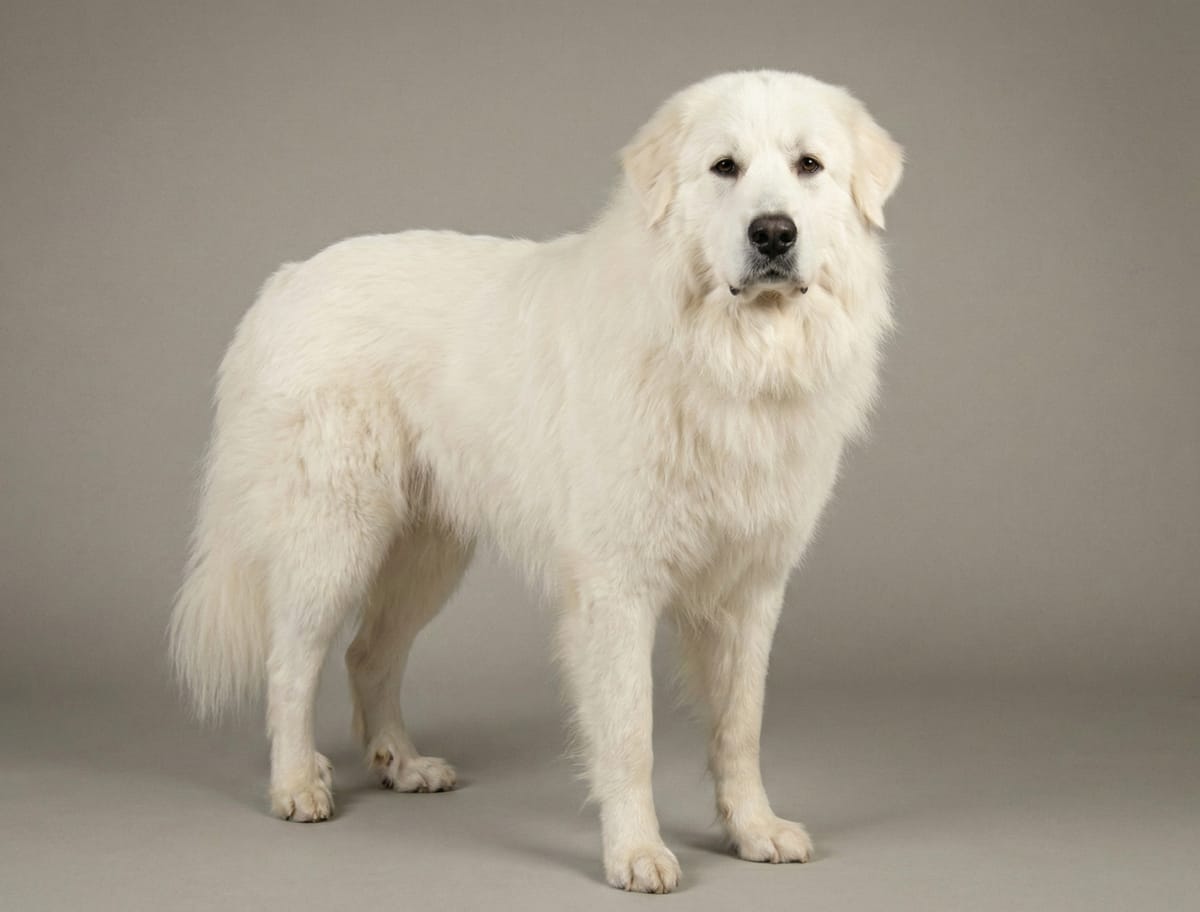
On a crisp winter morning, a Great Pyrenees stands guard, its thick coat a testament to its ability to thrive in cold climates. However, as the seasons change and summer heat sets in, this giant breed's weather-resistant coat can become a liability, matting and shedding heavily. For those who can provide the necessary care and attention, the Great Pyrenees makes a loyal and gentle companion. Despite their large size, Great Pyrenees are not high-energy dogs and do not require extensive exercise. However, their independent nature means they can be stubborn at times, and their thick coat demands regular grooming. As a giant breed, they also require plenty of space to move around and orthopedic support to prevent common health issues like hip dysplasia. For families or individuals considering bringing a Great Pyrenees into their lives, it's essential to understand the unique needs and challenges that come with owning this breed. From their moderate grooming needs to their potential for heat sensitivity, every aspect of their care must be carefully considered.
What to look for
Space and Living Situation
Great Pyrenees require plenty of space to move around, making them a better fit for homes with large yards or open areas. Apartment living can be challenging for this breed, as they need room to stretch out and exercise. Additionally, their thick coat sheds heavily, so owners must be prepared for regular cleaning and grooming.
Time Commitment
While Great Pyrenees do not demand extensive exercise, they do require regular grooming and attention. Owners should be prepared to spend at least a few hours a week brushing their coat, cleaning up shedding hair, and providing orthopedic support to prevent health issues.
Cost and Budget
Owning a Great Pyrenees can be expensive, as they require high-quality food, regular veterinary care, and orthopedic support to prevent common health issues. Owners should budget accordingly, taking into account the potential costs of hip dysplasia, bloat, and other breed-specific health concerns.
Family Dynamics
Great Pyrenees are gentle and patient, making them an excellent fit for families with children. However, their independent nature means they can be stubborn at times, and owners must be prepared to provide consistent training and socialization. Additionally, their large size means they may accidentally knock over small children or fragile items, so owners must be mindful of their surroundings.
Lifestyle and Activity Level
Despite their large size, Great Pyrenees are not high-energy dogs and do not require extensive exercise. However, they do need regular walks and playtime to stay happy and healthy. Owners who enjoy outdoor activities like hiking or walking will find the Great Pyrenees to be a loyal companion, but those who prefer high-intensity exercise may find the breed too laid-back.
Frequently asked questions
How often should I groom my Great Pyrenees?
Great Pyrenees require regular grooming to prevent matting and tangling of their thick coat. Owners should aim to brush their coat at least 2-3 times a week, with daily brushing during shedding season.
Can Great Pyrenees thrive in apartment living?
While it's possible for Great Pyrenees to live in apartments, it's not the most ideal situation for this breed. They require plenty of space to move around and exercise, and their thick coat sheds heavily, making regular cleaning a necessity.
Are Great Pyrenees good with children?
Yes, Great Pyrenees are gentle and patient, making them an excellent fit for families with children. However, their large size means they may accidentally knock over small children or fragile items, so owners must be mindful of their surroundings.
How much exercise does a Great Pyrenees need?
Despite their large size, Great Pyrenees are not high-energy dogs and do not require extensive exercise. However, they do need regular walks and playtime to stay happy and healthy, aiming for at least 30 minutes of activity per day.
What health issues should I be aware of in Great Pyrenees?
Great Pyrenees are prone to common health issues like hip dysplasia, bloat, and patellar luxation. Owners should also be aware of heat sensitivity, as the breed's thick coat can make them susceptible to overheating in warm climates.
For those who can provide the necessary care and attention, the Great Pyrenees makes a loyal and gentle companion. This breed is best suited for owners who can offer plenty of space, regular grooming, and a commitment to orthopedic support and veterinary care. By understanding the unique needs and challenges of the Great Pyrenees, owners can create a happy and healthy home for this majestic breed.
More for your Great Pyrenees
Other breed-matched picks worth a look.