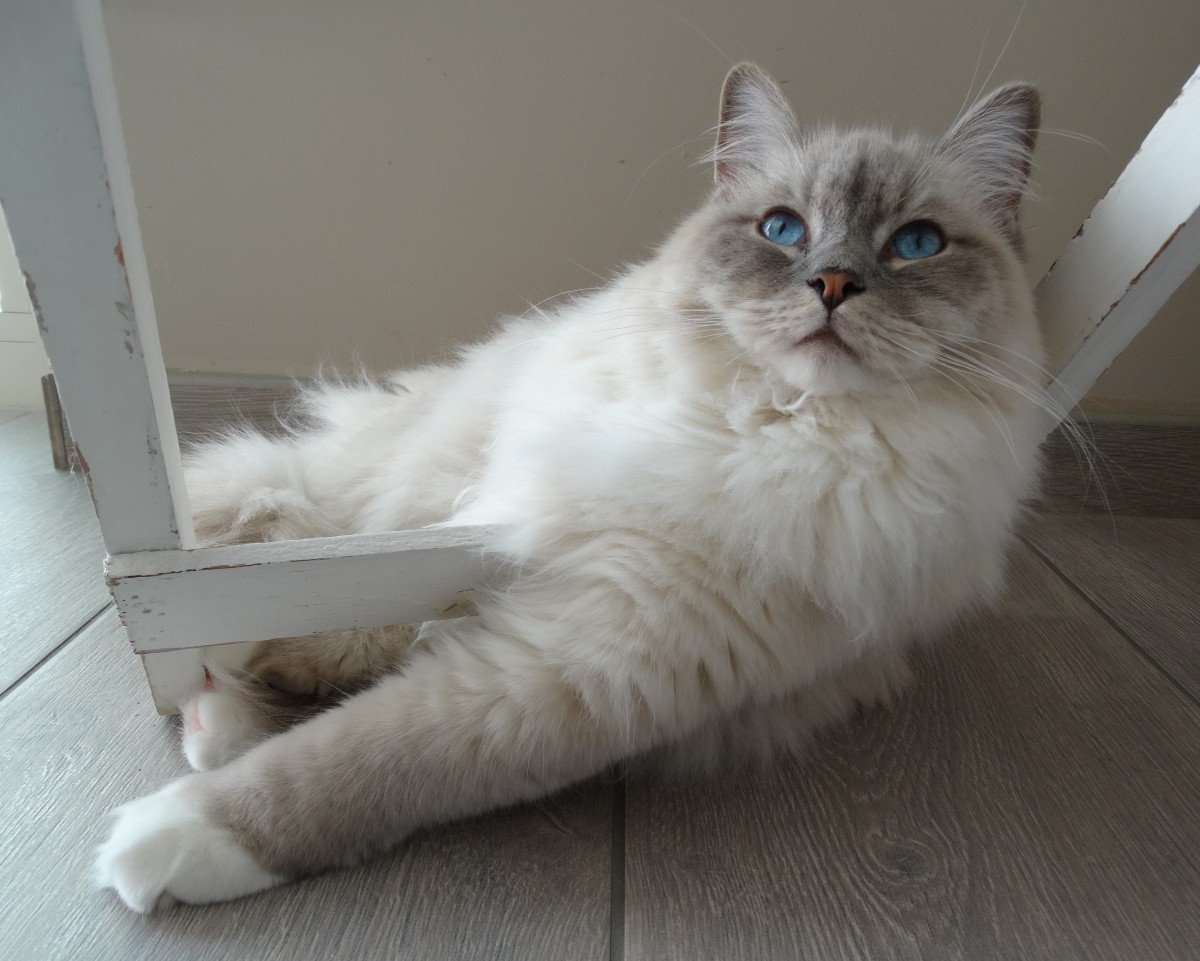
Is a Himalayan the Right Cat for You?
By PetEssentialist Team · Updated June 2026 · How we review
We independently research and pick every product. When you buy through our links we may earn a commission, at no extra cost to you. How this works.
One surprising fact about Himalayan cats is that their beautiful, long coats require daily grooming to prevent matting and tangling, which can be a significant time commitment for owners. Despite this, their calm and affectionate nature makes them a popular choice for many families. With a lifespan of 9-15 years, owning a Himalayan cat is a long-term commitment that requires careful consideration of their specific needs. Himalayan cats are a cross between a Persian and a Siamese, resulting in a flat-faced, low-energy breed with a stunning colorpoint coat. Their docile and sweet temperament makes them a great fit for owners who want a laid-back and affectionate companion. However, their high shedding and grooming needs, combined with potential health issues such as PKD and brachycephalic airway syndrome, mean that owners need to be prepared to provide regular care and attention. For owners who are willing and able to provide the necessary care and attention, a Himalayan cat can make a wonderful and loving companion. But it's essential to carefully consider the costs and time commitment involved in owning a Himalayan cat before making a decision.
What to look for
Grooming Commitment
Himalayan cats require daily grooming to prevent matting and tangling of their long, thick coats. This can be a significant time commitment, but it's essential to prevent health problems and keep their coat in good condition. Owners should be prepared to spend at least 30 minutes per day grooming their Himalayan cat. Regular grooming also helps to reduce shedding and prevent hairballs, which can be a problem in this breed.
Health Considerations
Himalayan cats are prone to certain health issues, including PKD, brachycephalic airway syndrome, and dental disease. Owners should be aware of these potential health problems and take steps to prevent or manage them, such as regular veterinary check-ups and a healthy diet. It's also essential to work with a reputable breeder who has had their cats tested for these conditions.
Cost and Budget
Owning a Himalayan cat can be expensive, with costs including food, veterinary care, and grooming supplies. Owners should budget at least $50-100 per month for these expenses, and also consider the cost of potential health problems. It's essential to have a budget in place and to be prepared for unexpected expenses, such as veterinary emergencies.
Living Situation
Himalayan cats are suited to a quiet and comfortable living situation, with plenty of space to relax and sleep. They are not high-energy cats and do not require a lot of exercise or stimulation, but they do need regular playtime and attention to stay happy and healthy. A small to medium-sized home or apartment is ideal for a Himalayan cat, as long as it is quiet and comfortable.
Time Commitment
Himalayan cats require a significant time commitment from their owners, including daily grooming and regular playtime. Owners should be prepared to spend at least 1-2 hours per day interacting with their Himalayan cat, including grooming, playing, and simply cuddling. This can be a challenge for busy owners, but it's essential to provide the necessary care and attention to keep a Himalayan cat happy and healthy.
Frequently asked questions
How often should I groom my Himalayan cat?
Himalayan cats require daily grooming to prevent matting and tangling of their long, thick coats. This can be a significant time commitment, but it's essential to prevent health problems and keep their coat in good condition. Owners should aim to groom their Himalayan cat for at least 30 minutes per day.
Are Himalayan cats prone to health problems?
Yes, Himalayan cats are prone to certain health issues, including PKD, brachycephalic airway syndrome, and dental disease. Owners should be aware of these potential health problems and take steps to prevent or manage them, such as regular veterinary check-ups and a healthy diet.
Do Himalayan cats make good family pets?
Himalayan cats can make great family pets, as long as they are socialized from an early age and receive regular attention and care. They are calm and affectionate, and can get along well with children and other pets, but they do require regular grooming and attention.
How much exercise do Himalayan cats need?
Himalayan cats are not high-energy cats and do not require a lot of exercise or stimulation. However, they do need regular playtime and attention to stay happy and healthy. Owners should aim to provide at least 15-30 minutes of playtime per day, including activities such as chasing toys or climbing.
Can Himalayan cats be left alone for long periods?
Himalayan cats are social cats and prefer to have company, but they can be left alone for short periods of time. However, they should not be left alone for extended periods, as this can lead to boredom, stress, and health problems. Owners should aim to provide regular attention and care, and consider hiring a pet sitter or asking a friend to check in on their cat if they will be away for an extended period.
For owners who are willing and able to provide the necessary care and attention, a Himalayan cat can make a wonderful and loving companion. The most important priority for this breed is regular grooming and attention, as well as a commitment to providing a quiet and comfortable living situation. With the right care and attention, a Himalayan cat can thrive and provide years of love and companionship to their owner.
More for your Himalayan
Other breed-matched picks worth a look.