Is a Newfoundland the Right Dog for You?
By PetEssentialist Team · Updated June 2026 · How we review
We independently research and pick every product. When you buy through our links we may earn a commission, at no extra cost to you. How this works.
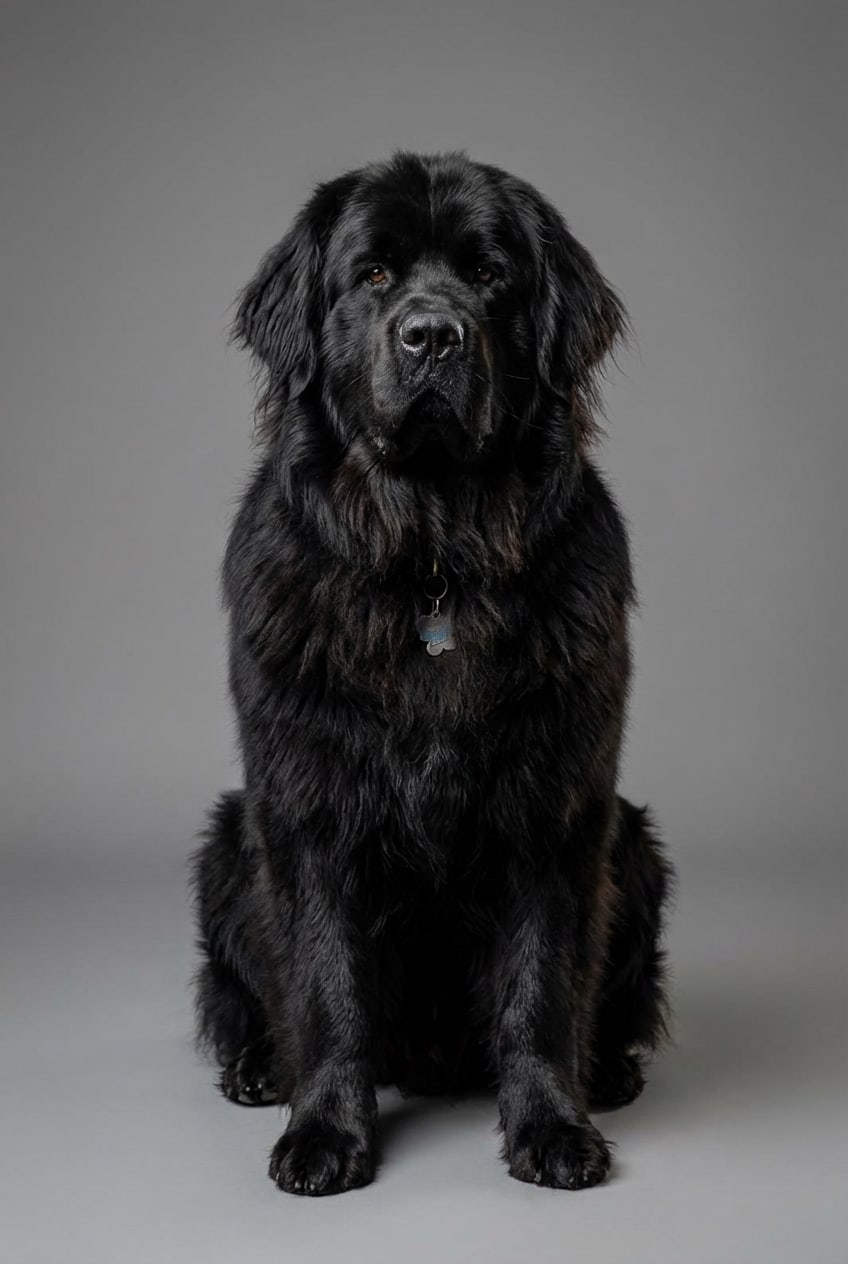
Owning a Newfoundland is a significant commitment, given their massive size, thick coat, and specific needs. The breed's sweet, patient, and devoted temperament makes them an excellent addition to many families, but their high shedding, grooming needs, and potential health issues demand careful consideration. For those willing to provide the necessary care and attention, a Newfoundland can be a loving and loyal companion, but it's essential to understand the implications of their giant size, low energy level, and common health concerns, such as hip dysplasia and heat sensitivity. Newfoundlands are not suited for every living situation, particularly small apartments or homes without access to regular grooming and exercise. Their heavy, water-resistant coat mats and sheds extensively, requiring regular grooming sessions to prevent matting and tangling. Additionally, their drooling and overheating issues necessitate a thoughtful approach to their daily care. Despite these challenges, many owners find the rewards of owning a Newfoundland far outweigh the difficulties, and with the right preparation and dedication, these gentle giants can thrive in a variety of living situations. For potential owners, it's crucial to consider the long-term implications of owning a Newfoundland, including the financial costs of their care, the time commitment required for grooming and exercise, and the potential health issues that may arise. By understanding these factors, individuals can make an informed decision about whether a Newfoundland is the right breed for them.
What to look for
Space and Living Situation
Newfoundlands require a significant amount of space to move around comfortably, making them better suited for homes with large yards or ample living areas. Apartment dwellers should carefully consider the feasibility of owning a Newfoundland, given their size and shedding. A minimum of 1-2 hours of exercise and outdoor time per day is recommended to keep them happy and healthy.
Grooming and Shedding
Newfoundlands have a thick, double coat that sheds heavily, particularly during shedding season. Regular grooming sessions, ideally 2-3 times per week, are necessary to prevent matting and tangling. Additionally, their coat requires frequent brushing to reduce shedding and prevent hair from getting everywhere. This can be a significant time commitment, but it's essential for maintaining their coat and overall health.
Health and Veterinary Care
Newfoundlands are prone to various health issues, including hip dysplasia, elbow dysplasia, and heart conditions. Regular veterinary check-ups, ideally every 6-12 months, are crucial for monitoring their health and detecting potential issues early. Owners should also be prepared for the financial costs associated with these health issues, including potential surgeries and ongoing care.
Family and Socialization
Newfoundlands are known for their gentle and patient nature, making them an excellent choice for families with children. However, socialization is critical for any breed, and Newfoundlands require early and consistent socialization to ensure they interact well with people and other animals. Owners should prioritize socialization, particularly during the first 12-18 months, to help their Newfoundland develop good manners and reduce the risk of behavioral issues.
Cost and Financial Commitment
Owning a Newfoundland comes with significant financial costs, including the purchase price, grooming expenses, and potential health issues. Owners should budget at least $1,000-$2,000 per year for grooming, veterinary care, and other expenses. Additionally, the cost of food, toys, and supplies can add up quickly, making it essential to consider the long-term financial implications of owning a Newfoundland.
Frequently asked questions
How often should I groom my Newfoundland?
Newfoundlands require regular grooming sessions, ideally 2-3 times per week, to prevent matting and tangling. Additionally, their coat requires frequent brushing to reduce shedding and prevent hair from getting everywhere.
Can Newfoundlands live in small apartments?
While it's possible for Newfoundlands to live in small apartments, it's not recommended due to their size and shedding. Newfoundlands require a significant amount of space to move around comfortably and may not thrive in small living situations.
Are Newfoundlands good with children?
Yes, Newfoundlands are known for their gentle and patient nature, making them an excellent choice for families with children. However, socialization is critical for any breed, and Newfoundlands require early and consistent socialization to ensure they interact well with people and other animals.
How much exercise does a Newfoundland need?
Newfoundlands require a minimum of 1-2 hours of exercise and outdoor time per day to keep them happy and healthy. This can include walks, playtime, and other activities that promote physical and mental stimulation.
What health issues should I be aware of in Newfoundlands?
Newfoundlands are prone to various health issues, including hip dysplasia, elbow dysplasia, and heart conditions. Regular veterinary check-ups are crucial for monitoring their health and detecting potential issues early. Owners should also be prepared for the financial costs associated with these health issues, including potential surgeries and ongoing care.
For those willing to provide the necessary care and attention, a Newfoundland can be a loving and loyal companion. The key to successful ownership is understanding the breed's specific needs, including their space and exercise requirements, grooming needs, and potential health issues. By prioritizing these factors and making a thoughtful, informed decision, individuals can determine whether a Newfoundland is the right breed for them and provide the care and attention they need to thrive.
More for your Newfoundland
Other breed-matched picks worth a look.