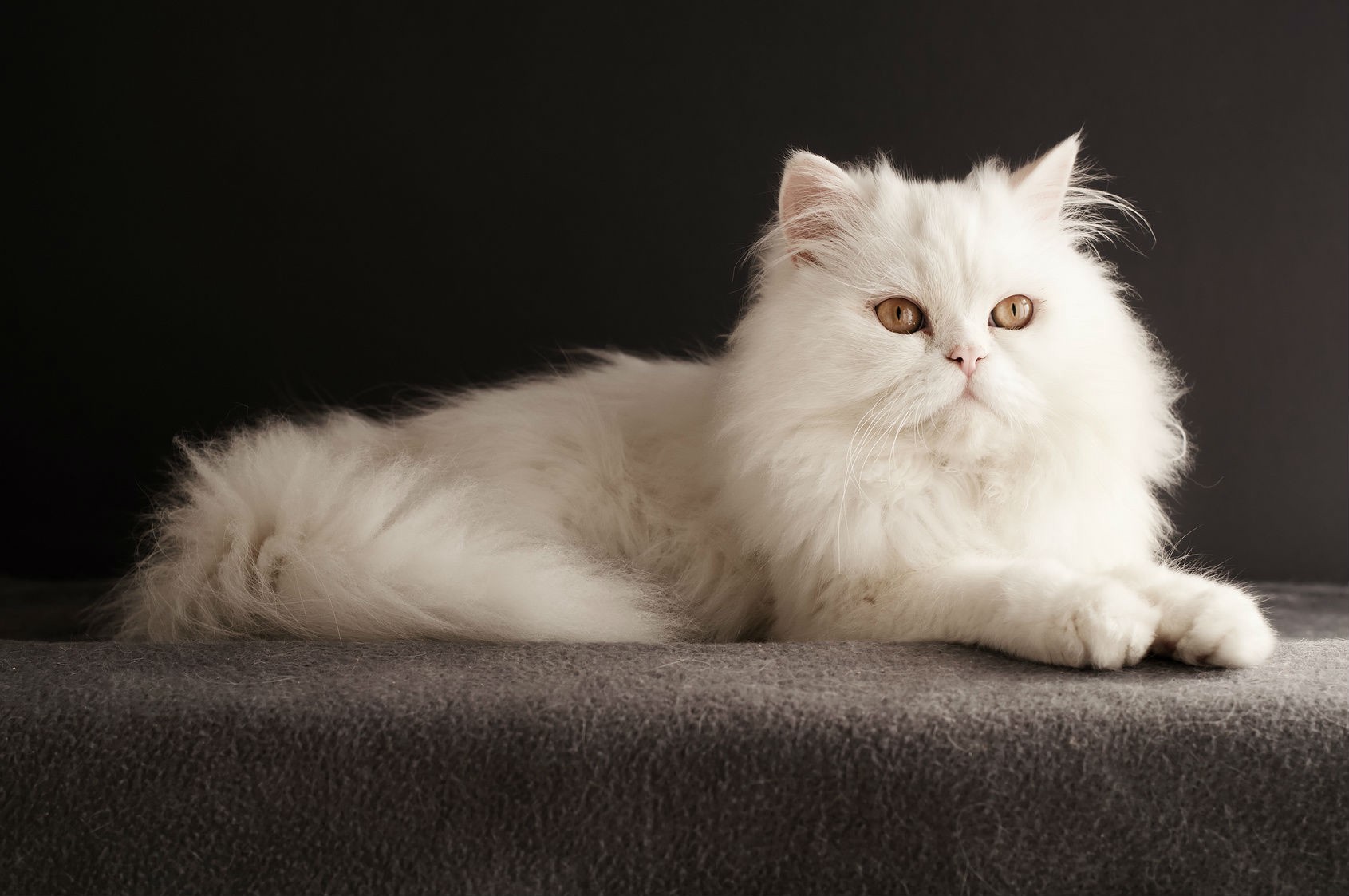
Is a Persian the Right Cat for You?
By PetEssentialist Team · Updated June 2026 · How we review
We independently research and pick every product. When you buy through our links we may earn a commission, at no extra cost to you. How this works.
Daily grooming is essential for Persian cats, given their dense, long coats that shed heavily. Owners must commit to regular brushing and wiping of the eyes to prevent tear staining. This high-maintenance grooming routine is a crucial aspect of caring for a Persian, and it's vital to consider whether this fits into a potential owner's lifestyle. Persian cats are known for their quiet, sweet, and docile nature, making them a great fit for owners who value a calm and affectionate pet. However, their flat face and low energy level mean they require a home with minimal stairs and plenty of quiet areas for rest. With a lifespan of 10-17 years, owners must be prepared for a long-term commitment to caring for their Persian cat. Despite their beautiful appearance, Persian cats are prone to several health issues, including PKD, brachycephalic airway, dental disease, and hairballs. Regular veterinary check-ups and a balanced diet are crucial to preventing and managing these conditions.
What to look for
Grooming Commitment
Persian cats require daily grooming to prevent matting and tangling of their coat. This can be a time-consuming process, especially for owners who are new to caring for long-haired cats. It's essential to consider whether you have the time and patience to commit to regular grooming sessions. A minimum of 30 minutes per day should be allocated for grooming, and this can be a great opportunity to bond with your cat.
Health Considerations
Persian cats are prone to several health issues, and owners must be prepared for the potential costs and care requirements associated with these conditions. Regular veterinary check-ups and a balanced diet can help prevent and manage these issues, but it's crucial to factor in the potential costs of veterinary care when deciding whether to bring a Persian cat into your home.
Home Environment
Persian cats are suited to homes with minimal stairs and plenty of quiet areas for rest. Their flat face and low energy level mean they can be sensitive to heat and humidity, so a cool and well-ventilated home is essential. Owners should also consider the space available for their cat to move around and exercise, as Persian cats do require some gentle playtime to stay healthy.
Cost and Budget
Owning a Persian cat can be expensive, given the high cost of grooming, veterinary care, and premium food. Owners must budget for regular grooming sessions, potentially costly veterinary care, and high-quality food to ensure their cat stays healthy. It's essential to consider whether your budget can accommodate the costs associated with caring for a Persian cat.
Lifestyle Compatibility
Persian cats are best suited to owners who have a calm and quiet lifestyle, with plenty of time to devote to grooming and care. They are not ideal for busy households or owners who have limited time to care for their pet. It's crucial to consider whether your lifestyle is compatible with the needs of a Persian cat before deciding to bring one into your home.
Frequently asked questions
How often should I groom my Persian cat?
Daily grooming is essential for Persian cats, with a minimum of 30 minutes per day allocated for brushing and wiping of the eyes. This can help prevent matting and tangling of the coat, as well as reduce the risk of tear staining.
Are Persian cats prone to any health issues?
Yes, Persian cats are prone to several health issues, including PKD, brachycephalic airway, dental disease, and hairballs. Regular veterinary check-ups and a balanced diet can help prevent and manage these conditions.
Can Persian cats be left alone for long periods?
No, Persian cats prefer human company and can become stressed if left alone for long periods. They require regular attention and interaction, and owners should consider this when deciding whether to bring a Persian cat into their home.
How much exercise do Persian cats need?
Persian cats require gentle playtime to stay healthy, but they are not high-energy cats and do not require a lot of exercise. Short play sessions of 10-15 minutes, several times a day, can help keep them active and engaged.
Can Persian cats be trained?
Yes, Persian cats can be trained, but they can be stubborn at times. Positive reinforcement training methods, such as clicker training, can be effective in teaching your Persian cat new behaviors and tricks.
For owners who are willing and able to commit to the high-maintenance grooming routine and potential health issues, a Persian cat can make a loving and affectionate pet. However, it's essential to carefully consider the costs, lifestyle compatibility, and care requirements associated with owning a Persian cat before deciding to bring one into your home. By doing so, you can ensure that you're providing the best possible life for your new pet.
More for your Persian
Other breed-matched picks worth a look.