Is a Pug the Right Dog for You?
By PetEssentialist Team · Updated June 2026 · How we review
We independently research and pick every product. When you buy through our links we may earn a commission, at no extra cost to you. How this works.
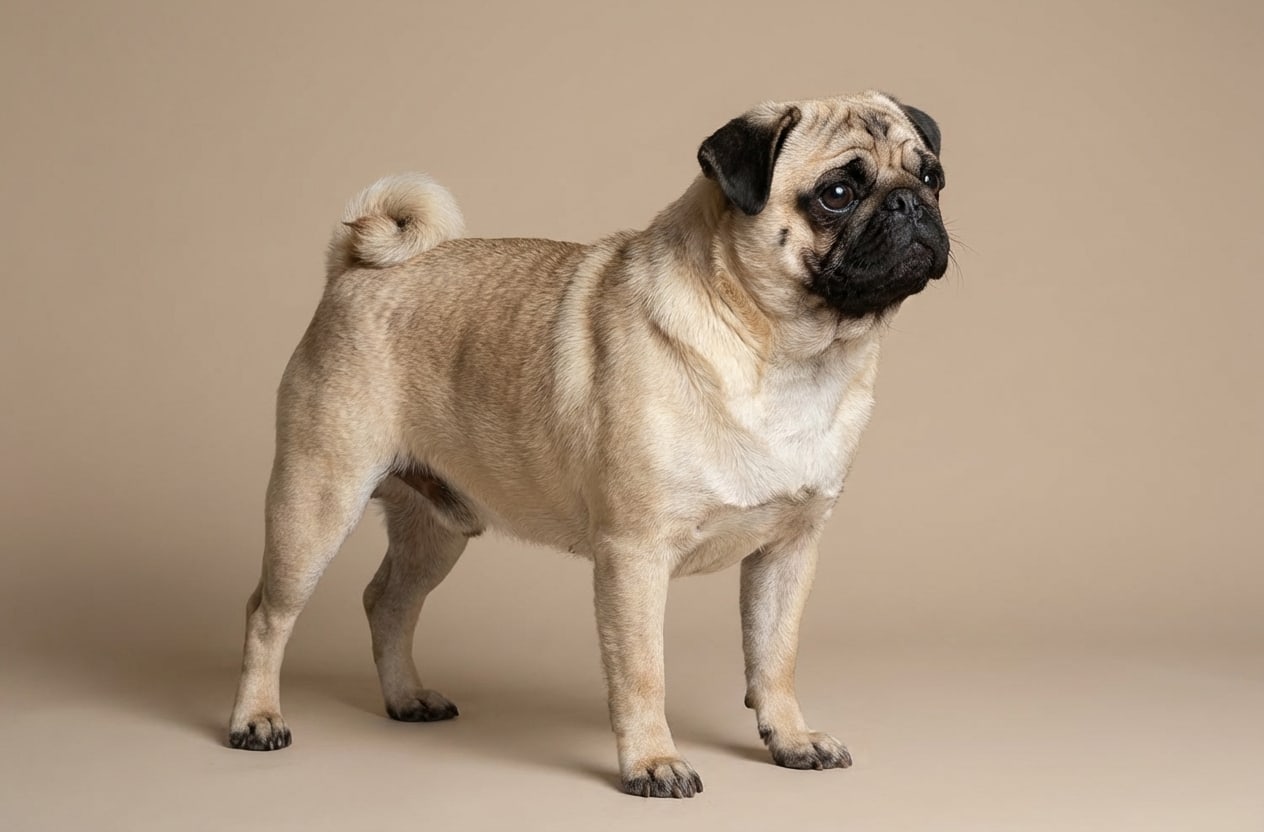
Pugs are notorious for their brachycephalic airway, which makes them sensitive to heat and exercise. This unique characteristic requires owners to be mindful of their Pug's limitations and take necessary precautions to prevent heat-related illnesses. Despite their small size, Pugs are surprisingly heavy shedders, which can be a challenge for owners with allergies or a preference for low-maintenance coats. Their short, flat faces also require regular cleaning to prevent skin fold dermatitis. With their charming, mischievous, and loving temperament, Pugs can make wonderful companions for the right owner. However, it's essential to consider the specific needs and challenges that come with owning a Pug.
What to look for
Heat Sensitivity and Exercise
Pugs are not suited for high-energy activities or extreme temperatures. Owners should limit exercise to short, gentle walks and playtime in cool, well-ventilated areas. This is crucial to prevent heatstroke and other heat-related illnesses. A typical walk should last around 10-15 minutes, and owners should monitor their Pug's behavior and adjust the duration accordingly.
Grooming and Cleaning
While Pugs have a low-maintenance coat, their facial folds require regular cleaning to prevent skin fold dermatitis. Owners should gently wipe their Pug's face daily, paying attention to the deep wrinkles and creases. This simple habit can help prevent painful infections and keep their Pug's skin healthy.
Space and Living Situation
Pugs are well-suited for apartment living due to their small size and low energy level. However, owners should ensure their home is Pug-proofed, with minimal hazards and plenty of ventilation. A comfortable, quiet space for their Pug to rest is also essential, as Pugs can be sensitive to noise and stress.
Time Commitment and Training
Pugs are intelligent and responsive to training, but they can be stubborn at times. Consistent, positive reinforcement training is recommended, with short sessions and plenty of rewards. Owners should also be prepared to invest time in socialization, as Pugs can be wary of strangers and new environments.
Cost and Health Considerations
Pugs are prone to various health issues, including obesity, eye conditions, and skin fold dermatitis. Owners should budget for regular veterinary check-ups, preventative care, and potential treatments. A healthy diet and regular exercise can help mitigate these risks, but owners should be prepared for the financial and emotional commitments that come with caring for a Pug.
Frequently asked questions
How often should I clean my Pug's facial folds?
Pug owners should clean their dog's facial folds daily, using a gentle, fragrance-free wipe or cloth. This helps prevent skin fold dermatitis and keeps their Pug's skin healthy. It's also essential to dry the folds thoroughly after cleaning to prevent moisture buildup.
Can Pugs tolerate extreme temperatures?
No, Pugs are sensitive to extreme temperatures due to their brachycephalic airway. Owners should keep their Pug in a cool, well-ventilated area, avoiding temperatures above 75°F (24°C) or below 60°F (16°C).
Do Pugs make good family pets?
Pugs can make wonderful family pets, but they require gentle, careful handling. Children should be taught how to interact with Pugs safely, avoiding rough play or handling that can cause injury. With proper socialization and training, Pugs can thrive in families with children.
How much exercise does a Pug need?
Pugs require short, gentle walks and playtime, totaling around 20-30 minutes per day. Owners should avoid high-energy activities or prolonged exercise, as this can lead to heat-related illnesses. A typical walk should last around 10-15 minutes, with regular breaks for rest and hydration.
Are Pugs prone to obesity?
Yes, Pugs are prone to obesity due to their love of food and tendency to overeat. Owners should monitor their Pug's food intake, ensuring they receive a balanced, nutritious diet and avoiding overfeeding. Regular exercise and a healthy lifestyle can help prevent obesity and related health issues.
The right owner for a Pug is someone who can provide a gentle, loving, and attentive environment, with a focus on preventing heat-related illnesses and managing their Pug's unique health needs. By understanding the specific challenges and requirements of Pug ownership, owners can create a happy, healthy life for their beloved companion. With proper care and attention, Pugs can thrive as loving and loyal pets.
More for your Pug
Other breed-matched picks worth a look.