Is a Ragdoll the Right Cat for You?
By PetEssentialist Team · Updated June 2026 · How we review
We independently research and pick every product. When you buy through our links we may earn a commission, at no extra cost to you. How this works.
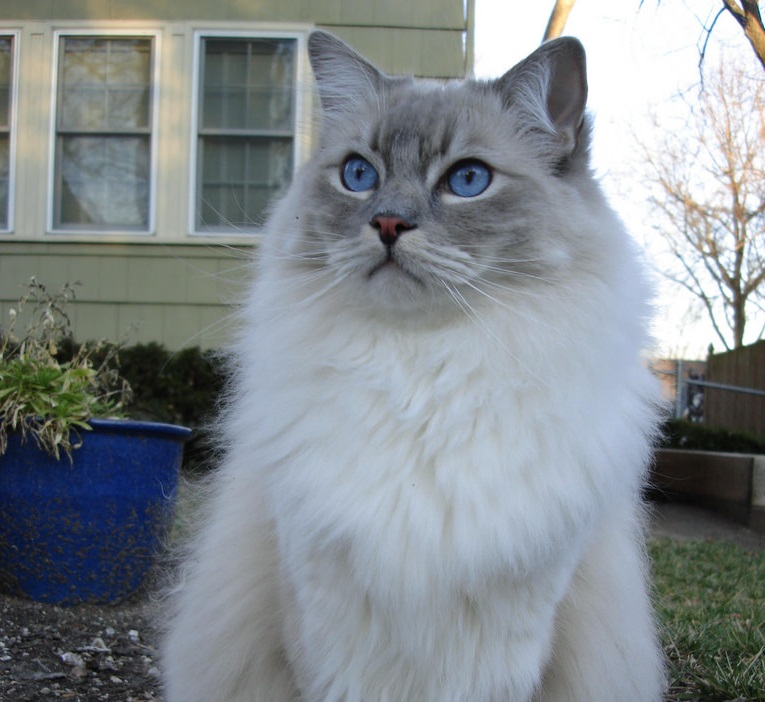
For those seeking a gentle and affectionate companion, the Ragdoll's docile nature and silky coat make them an attractive choice. However, their large size and moderate shedding require careful consideration. Ragdolls are prone to weight gain, which can exacerbate health issues like HCM and obesity, making a thoughtful and informed decision crucial. A Ragdoll's low energy level and love for human interaction mean they thrive in homes where they can receive ample attention and care. Their moderate grooming needs and tendency to form strong bonds with owners also necessitate a commitment to regular grooming and interaction. Before deciding if a Ragdoll is the right fit, it's essential to consider the unique challenges and joys that come with sharing a life with this breed.
What to look for
Temperament and Lifestyle
Ragdolls are ideal for owners who value a calm and gentle companion. They are suitable for families with children or for those who want a relaxed and quiet pet. However, their affectionate nature means they require regular interaction and attention, making them a great fit for owners who work from home or have a flexible schedule. A Ragdoll's temperament is also influenced by their environment, so a peaceful and stable home is essential.
Grooming and Maintenance
While Ragdolls have a silky coat that resists matting, they still require regular grooming to prevent hairballs and tangling. Owners should be prepared to commit to daily brushing and regular nail trimming, as well as occasional bathing. Their moderate shedding also means they may not be the best choice for those with severe allergies.
Health and Wellness
Ragdolls are prone to certain health issues, such as HCM and obesity, which can be managed with regular veterinary check-ups and a balanced diet. Owners should also be aware of the risks of bladder stones and hairballs, and take steps to prevent them. A healthy and active lifestyle, combined with regular veterinary care, can help mitigate these risks and ensure a long and happy life for the Ragdoll.
Space and Exercise
Ragdolls are a large breed and require ample space to move around and exercise. While they are not high-energy cats, they still need regular playtime and stimulation to stay happy and healthy. Owners should ensure they have sufficient space for a Ragdoll to roam and play, as well as provide plenty of toys and scratching posts to keep them entertained.
Cost and Commitment
Owning a Ragdoll is a long-term commitment, with an average lifespan of 12-17 years. Owners should be prepared for the costs associated with caring for a Ragdoll, including regular veterinary check-ups, high-quality food, and grooming supplies. They should also consider the time commitment required to provide regular interaction and care, and ensure they can provide a stable and loving home for the life of the cat.
Frequently asked questions
How often should I groom my Ragdoll?
Ragdolls require regular grooming to prevent hairballs and tangling, with daily brushing and regular nail trimming recommended. They may also require occasional bathing, depending on their individual needs and lifestyle.
Are Ragdolls suitable for families with young children?
Ragdolls are generally a great choice for families with children, as they are calm, gentle, and patient. However, as with any breed, it's essential to socialize them well and teach children how to interact with them gently and respectfully.
Can Ragdolls be left alone for long periods?
Ragdolls are social cats that thrive on interaction and attention. While they can be left alone for short periods, they may become bored, anxious, or depressed if left alone for extended periods without stimulation or exercise.
How can I prevent my Ragdoll from becoming overweight?
To prevent obesity in Ragdolls, owners should ensure they provide a balanced and nutritious diet, limit treats and snacks, and encourage regular exercise and playtime. Regular veterinary check-ups can also help monitor their weight and overall health.
What health issues should I be aware of in Ragdolls?
Ragdolls are prone to certain health issues, including HCM, obesity, bladder stones, and hairballs. Regular veterinary check-ups, a balanced diet, and a healthy lifestyle can help mitigate these risks and ensure a long and happy life for the Ragdoll.
For the right owner, a Ragdoll can make a loving and loyal companion. Those who can provide a stable, peaceful home and commit to regular interaction and care will find the Ragdoll's gentle nature and affectionate personality a perfect match. By understanding the unique needs and challenges of the Ragdoll breed, owners can ensure a happy and healthy life for their feline friend.
More for your Ragdoll
Other breed-matched picks worth a look.