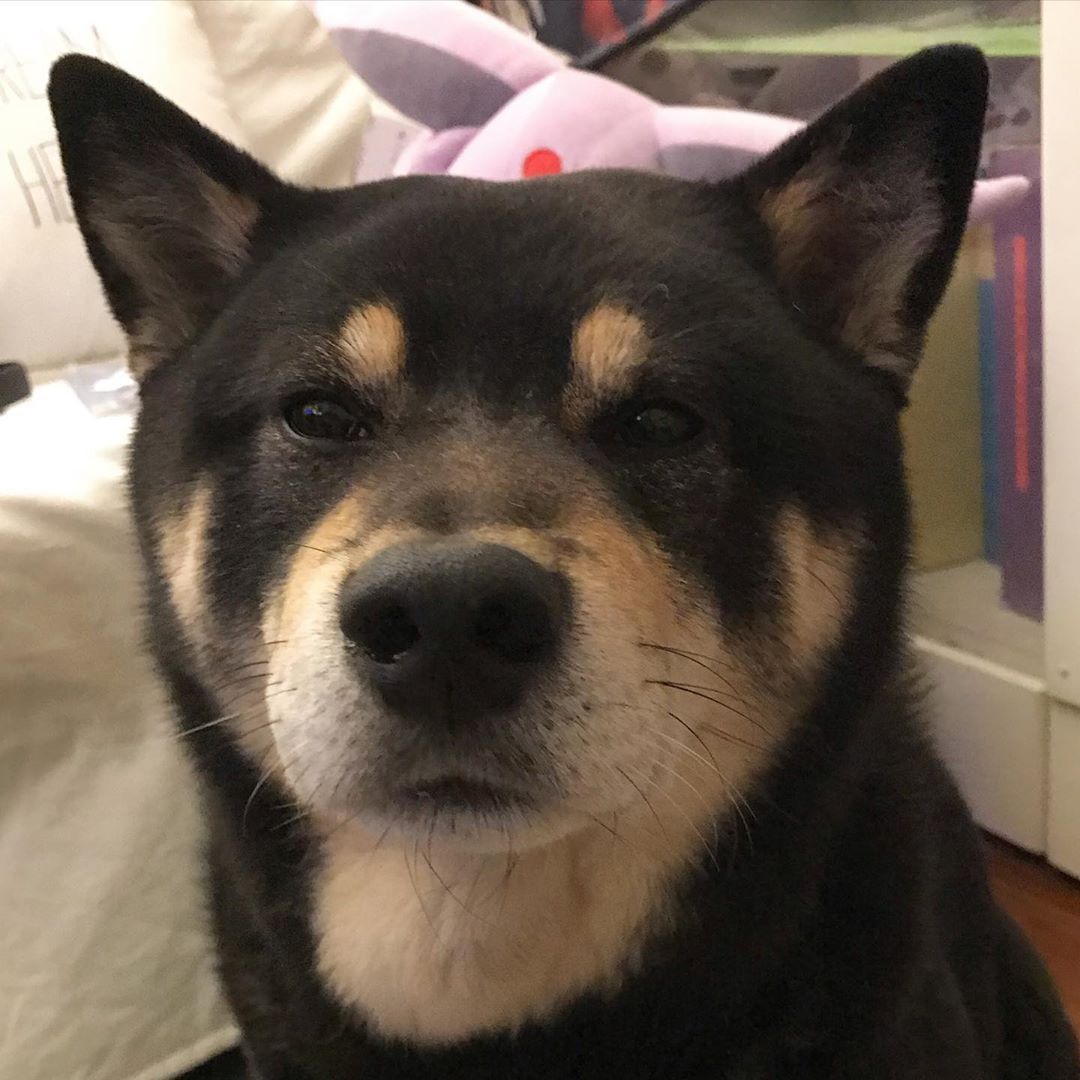
Is a Shiba Inu the Right Dog for You?
By PetEssentialist Team · Updated June 2026 · How we review
We independently research and pick every product. When you buy through our links we may earn a commission, at no extra cost to you. How this works.
The Shiba Inu's thick double coat, which blows out seasonally, is a significant consideration for potential owners. This small spitz breed requires regular grooming to prevent matting and tangling, especially during shedding seasons. Their independent and bold temperament also means they can be escape-prone, making secure gear and careful supervision essential. With a lifespan of 13-16 years, owning a Shiba Inu is a long-term commitment that requires careful consideration of their needs and potential owners' lifestyles.
What to look for
Temperament Compatibility
Shiba Inus are known for their confident and independent nature, which can make them challenging to train. Potential owners need to assess whether their lifestyle and experience level are suited to handling a strong-willed breed. They thrive on clear boundaries and consistent training, making them a good fit for owners who are willing to invest time and effort into their development.
Space and Exercise Needs
Despite their small size, Shiba Inus have high energy levels and require regular exercise to stay happy and healthy. They need daily walks and playtime, and a securely fenced area to prevent escape attempts. Owners living in apartments or with limited outdoor space need to consider whether they can provide the necessary physical activity and mental stimulation for this breed.
Grooming and Health Costs
Shiba Inus have moderate grooming needs, requiring regular brushing and occasional bathing. They are also prone to certain health issues, such as patellar luxation, skin allergies, and eye conditions, which can impact ownership costs. Potential owners should factor in the cost of regular veterinary check-ups, preventative care, and potential treatments when deciding whether to bring a Shiba Inu into their family.
Family and Social Dynamics
Shiba Inus can make great family pets, but they are not suited to all family dynamics. They can be wary of strangers and may require time to warm up to new people, making them a better fit for families with older children or for owners who are willing to invest time in socialization. Potential owners should consider their family's lifestyle, including work schedules and social activities, to ensure they can provide the necessary attention and interaction for a Shiba Inu.
Time Commitment and Training
Shiba Inus require a significant time commitment, including training, exercise, and socialization. They thrive on routine and clear boundaries, making them a good fit for owners who are willing to invest time and effort into their development. Potential owners should consider their schedule and lifestyle to ensure they can provide the necessary time and attention for a Shiba Inu, including early morning and evening walks, training sessions, and playtime.
Frequently asked questions
Are Shiba Inus good with children?
Shiba Inus can make great family pets, but they are not suited to all family dynamics. They can be wary of strangers and may require time to warm up to new people, making them a better fit for families with older children. Early socialization and careful introduction to children are essential to ensure a harmonious household.
Do Shiba Inus shed a lot?
Yes, Shiba Inus are known for their high shedding, especially during seasonal coat blows. Regular grooming and brushing can help reduce shedding, but it's essential to consider whether you're willing and able to deal with the amount of hair they produce.
Can Shiba Inus be trained?
Shiba Inus are intelligent and capable of learning, but they can be challenging to train due to their independent nature. Consistent, positive reinforcement training and early socialization are crucial to developing good behavior and a strong bond with your Shiba Inu.
Are Shiba Inus prone to health issues?
Yes, Shiba Inus are prone to certain health issues, such as patellar luxation, skin allergies, and eye conditions. Regular veterinary check-ups, preventative care, and genetic testing can help identify potential issues early on, and responsible breeding practices can reduce the risk of inherited conditions.
Can Shiba Inus live in apartments?
While Shiba Inus can adapt to apartment living, they require regular exercise and mental stimulation to prevent boredom and destructive behavior. Owners living in apartments need to consider whether they can provide the necessary physical activity and attention for a Shiba Inu, and whether their building's noise levels and pet policies are suitable for this breed.
For active owners who are willing to invest time and effort into training, socialization, and grooming, a Shiba Inu can make a loyal and loving companion. However, this breed is not suited to all lifestyles, and potential owners should carefully consider their ability to provide the necessary care, attention, and resources before deciding to bring a Shiba Inu into their family. By understanding the unique needs and characteristics of this breed, owners can set themselves up for success and build a strong, lasting bond with their Shiba Inu.
More for your Shiba Inu
Other breed-matched picks worth a look.