Bichon Frise
The Bichon Frise is a small dog known for being playful, curious, cheerful.
- Size
- small
- Weight
- 12–18 lbs
- Life span
- 14–15 yrs
- Coat
- curly double
- Shedding
- low
- Energy
- moderate
Health to watch for
Common breed predispositions — not a diagnosis. Always consult your vet.
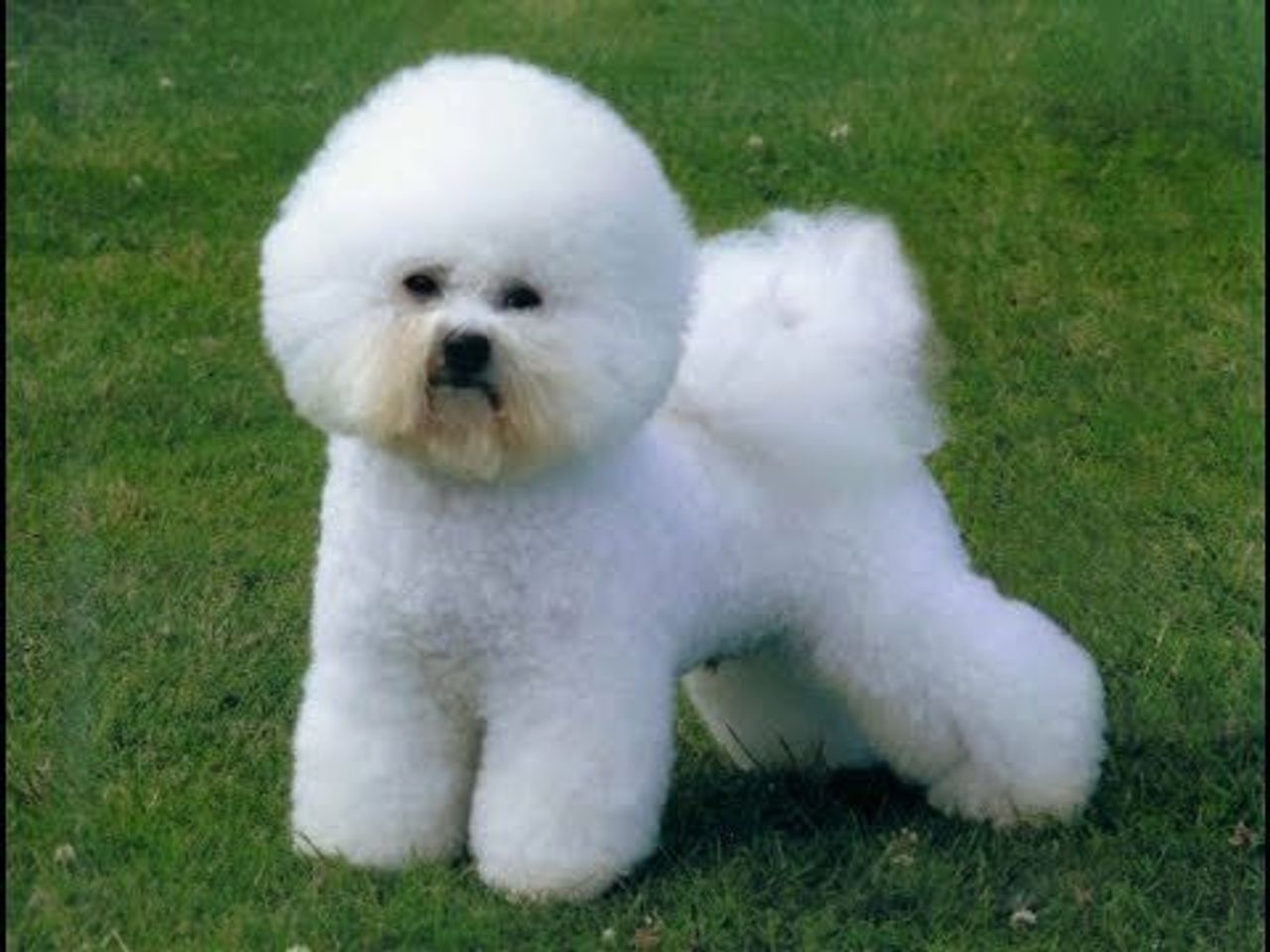
For Bichon Frise owners, one of the biggest challenges is managing their dog's beautiful but high-maintenance curly coat. Matting and tangling can occur quickly, requiring frequent professional grooming sessions to prevent skin irritation and other problems.
This small, playful breed brings immense joy to families, but their low-shedding coat and moderate energy level mean they need careful attention to their daily care and exercise needs. With a lifespan of 14-15 years, it's essential to establish a routine that supports their overall health and well-being.
Bichon Frises are known for their affectionate and cheerful nature, making them a popular choice as companions. However, their predisposition to skin allergies, patellar luxation, dental disease, and tear staining means owners must be vigilant about monitoring their health and seeking veterinary advice when needed.
Coat Care
The Bichon Frise's curly double coat requires regular grooming to prevent matting and tangling. Daily brushing and regular professional grooming sessions are essential to keep their coat clean and healthy. Owners should also be prepared for the potential for tear staining and take steps to minimize it, such as regular cleaning and using products specifically designed to address this issue.
Exercise and Enrichment
Bichon Frises have a moderate energy level, requiring daily exercise to stay happy and healthy. This can include short walks, playtime in the yard, and interactive toys to keep them mentally stimulated. Owners should aim to provide at least 30 minutes of exercise and enrichment activities per day, tailored to their dog's individual needs and abilities.
Feeding Considerations
As a small breed, Bichon Frises have specific dietary needs that must be met to ensure they stay healthy. Owners should choose a high-quality dog food that is formulated for small breeds and rich in nutrients, and consider consulting with their veterinarian to determine the best feeding schedule and portion sizes for their dog. Additionally, owners should be aware of the potential for dental disease and take steps to support their dog's oral health, such as providing dental chews and regular veterinary check-ups.
Health Monitoring
Bichon Frises are prone to several health issues, including skin allergies, patellar luxation, and dental disease. Owners should work closely with their veterinarian to monitor their dog's health and address any potential problems early on. This includes regular check-ups, preventative care such as flea and tick control, and being aware of the signs of illness or injury so they can seek veterinary attention promptly if needed.
Cost and Commitment
Owning a Bichon Frise requires a significant commitment of time, money, and resources. Between grooming, veterinary care, and supplies, the annual cost of owning a Bichon Frise can be substantial. Owners should carefully consider their ability to provide the necessary care and attention before bringing a Bichon Frise into their family, and be prepared for the potential for costly health issues that may arise over their dog's lifetime.
Bichon Frise FAQ
How often should I groom my Bichon Frise?
Bichon Frises require regular grooming to prevent matting and tangling, with daily brushing and regular professional grooming sessions recommended. The frequency of grooming will depend on the individual dog's needs and lifestyle, but as a general rule, owners should aim to brush their Bichon Frise daily and have them professionally groomed every 4-6 weeks.
What are the most common health issues in Bichon Frises?
Bichon Frises are prone to several health issues, including skin allergies, patellar luxation, dental disease, and tear staining. Owners should work closely with their veterinarian to monitor their dog's health and address any potential problems early on, and be aware of the signs of illness or injury so they can seek veterinary attention promptly if needed.
How much exercise does a Bichon Frise need?
Bichon Frises have a moderate energy level, requiring daily exercise to stay happy and healthy. This can include short walks, playtime in the yard, and interactive toys to keep them mentally stimulated. Owners should aim to provide at least 30 minutes of exercise and enrichment activities per day, tailored to their dog's individual needs and abilities.
What is the best way to prevent tear staining in Bichon Frises?
Tear staining is a common issue in Bichon Frises, but there are several steps owners can take to minimize it. This includes regular cleaning of the area around the eyes, using products specifically designed to address tear staining, and ensuring their dog's diet is well-balanced and rich in nutrients. Owners should also consult with their veterinarian for advice on the best ways to prevent and manage tear staining in their individual dog.
Are Bichon Frises suitable for families with small children?
Bichon Frises can make wonderful family pets, but they do require careful consideration when it comes to families with small children. They are a small breed and can be fragile, so children should be taught how to handle them gently and with care. Additionally, Bichon Frises can be sensitive to noise and stress, so families with small children should ensure they can provide a calm and stable environment for their dog to thrive.
Top picks for Bichon Frises
- Best Food for Bichon Frises →
- Best Dental Chews for Bichon Frises →
- Best Treats for Bichon Frises →
- Best Brushes for Bichon Frises →
- Best Harnesses for Bichon Frises →
- Best Crates for Bichon Frises →
- Best Collars for Bichon Frises →
- Best Shampoo for Bichon Frises →
- Best Leashes for Bichon Frises →
- Best Nail Clippers for Bichon Frises →
- Best Chew Toys for Bichon Frises →
- Best Jackets & Coats for Bichon Frises →
- Best Cooling Mats for Bichon Frises →
- Best Training Pads for Bichon Frises →
- Best Joint Supplements for Bichon Frises →
- Best Toys for Bichon Frises →
- Best Beds for Bichon Frises →
- Best Ear Cleaners for Bichon Frises →