Brittany
The Brittany is a medium dog known for being bright, upbeat, energetic.
- Size
- medium
- Weight
- 30–40 lbs
- Life span
- 12–14 yrs
- Coat
- medium feathered single
- Shedding
- moderate
- Energy
- very high
Health to watch for
Common breed predispositions — not a diagnosis. Always consult your vet.
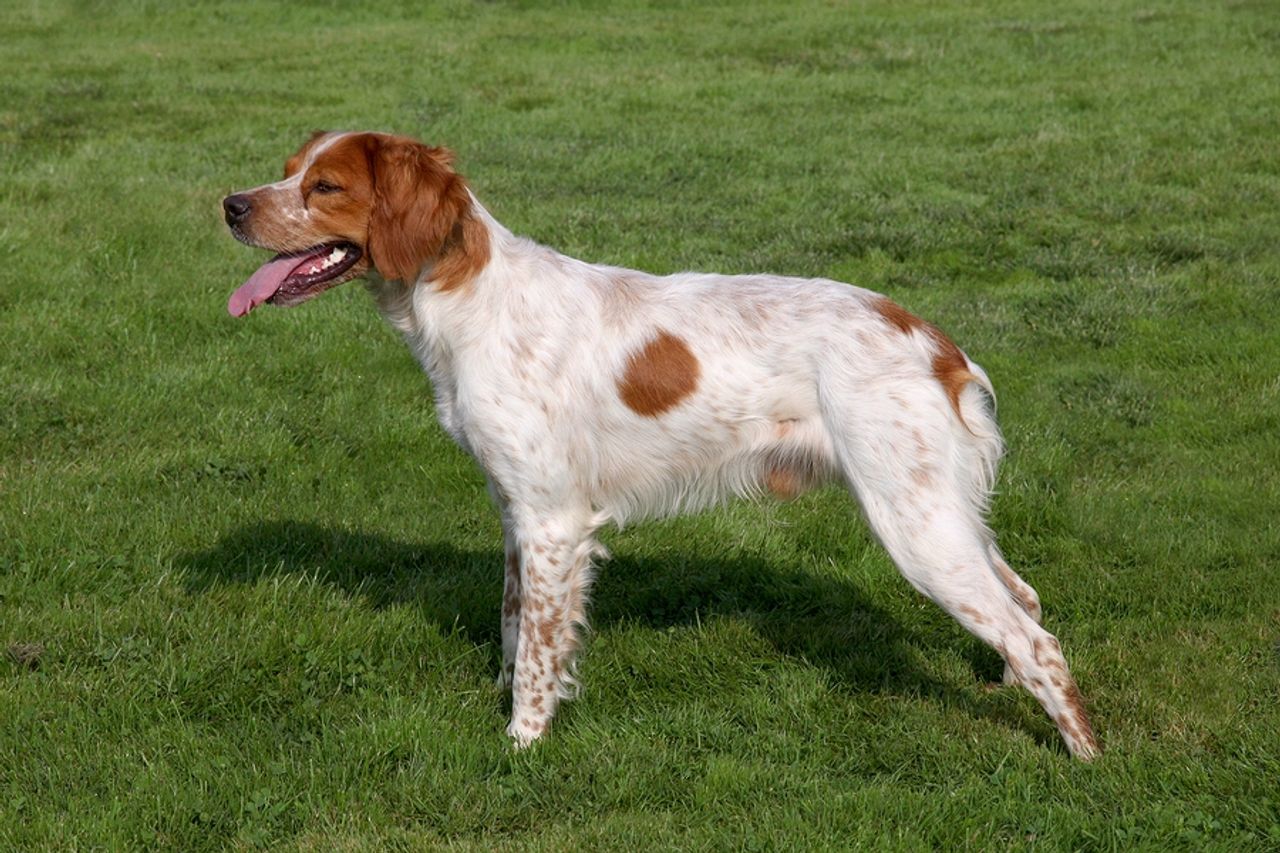
On a crisp morning, a Brittany dog bursts into action, racing around the backyard with unstoppable energy. Their owners know that keeping up with their medium-sized hunting dog's tireless spirit is a daily challenge. With a typical weight of 30-40 lbs and a medium feathered single coat, Brittanys require a specific set of care habits to thrive.
Their bright, upbeat, and energetic temperament makes them a joy to be around, but it also means they need plenty of exercise and mental stimulation to prevent boredom and destructive behavior.
As a breed prone to hip dysplasia, ear infections, and epilepsy, Brittanys require careful attention to their health, including regular veterinary check-ups and a balanced diet that meets their nutritional needs.
Temperament & Training
Brittanys are highly trainable, but they do require consistent, positive reinforcement training from an early age. Their high energy levels mean they need plenty of physical and mental stimulation to prevent boredom and destructive behavior. Early socialization is also crucial to help them develop good manners and get along with other pets and people.
Daily Care & Grooming
Brittanys have a medium feathered single coat that requires moderate grooming. Their drop ears need regular checking and cleaning to prevent infections, and their light feathering requires occasional trimming to prevent matting. A weekly brushing routine and regular nail trimming are also essential to keep them looking and feeling their best.
Exercise & Enrichment
Brittanys are bred for hunting and have extremely high energy levels, requiring at least 1-2 hours of exercise and mental stimulation per day. This can include a combination of walks, runs, playtime, and training sessions. They also need plenty of opportunities to engage their natural hunting instincts, such as playing fetch or hide-and-seek.
Feeding Considerations
As a medium-sized breed, Brittanys require a balanced diet that meets their nutritional needs. They are prone to hip dysplasia, so a diet rich in joint-friendly nutrients such as glucosamine and chondroitin is essential. They also require plenty of fresh water and a comfortable place to eat and rest.
Cost & Commitment
Brittanys are a significant commitment, requiring a substantial investment of time, money, and energy. Their high exercise needs and potential health issues mean they require a dedicated owner who can provide regular veterinary care, training, and attention. The cost of owning a Brittany can add up quickly, so it's essential to factor in the costs of food, veterinary care, and supplies when deciding whether to bring one home.
Brittany FAQ
How often should I exercise my Brittany?
Brittanys require at least 1-2 hours of exercise and mental stimulation per day, including a combination of walks, runs, playtime, and training sessions. They also need plenty of opportunities to engage their natural hunting instincts, such as playing fetch or hide-and-seek.
Why is grooming important for Brittanys?
Brittanys have a medium feathered single coat that requires moderate grooming to prevent matting and tangling. Regular grooming also helps to reduce shedding and prevent ear infections.
What health issues are Brittanys prone to?
Brittanys are prone to hip dysplasia, ear infections, and epilepsy, among other health issues. Regular veterinary check-ups and a balanced diet can help to reduce the risk of these conditions, but it's essential to be aware of the potential risks and take steps to mitigate them.
Can Brittanys be trained?
Yes, Brittanys are highly trainable, but they do require consistent, positive reinforcement training from an early age. They thrive on structure and clear communication, and they respond well to rewards-based training.
How long do Brittanys typically live?
Brittanys have an average lifespan of 12-14 years, but with proper care and attention, they can live well into their teens. Regular veterinary check-ups, a balanced diet, and plenty of exercise and mental stimulation can all help to promote a long and healthy life.
Top picks for Brittanys
- Best Food for Brittanys →
- Best Crates for Brittanys →
- Best Collars for Brittanys →
- Best Treats for Brittanys →
- Best Leashes for Brittanys →
- Best Dental Chews for Brittanys →
- Best Harnesses for Brittanys →
- Best Toys for Brittanys →
- Best Nail Clippers for Brittanys →
- Best Beds for Brittanys →
- Best Shampoo for Brittanys →
- Best Training Pads for Brittanys →
- Best Brushes for Brittanys →
- Best Chew Toys for Brittanys →
- Best Jackets & Coats for Brittanys →
- Best Joint Supplements for Brittanys →
- Best Cooling Mats for Brittanys →
- Best Ear Cleaners for Brittanys →