Flat-Coated Retriever
The Flat-Coated Retriever is a large dog known for being cheerful, outgoing, friendly.
- Size
- large
- Weight
- 55–75 lbs
- Life span
- 8–10 yrs
- Coat
- medium flat
- Shedding
- moderate
- Energy
- high
Health to watch for
Common breed predispositions — not a diagnosis. Always consult your vet.
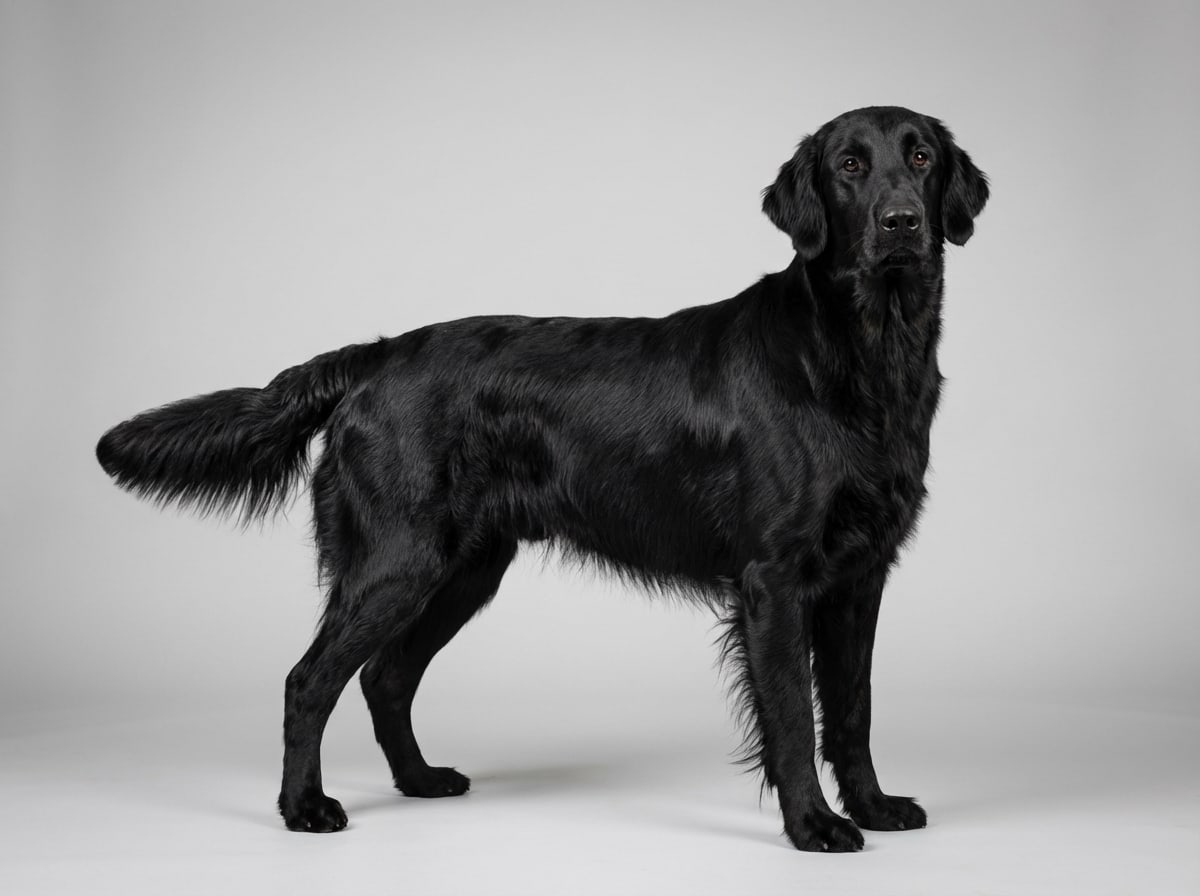
For Flat-Coated Retriever owners, understanding the breed's unique characteristics is crucial for providing the best possible care. With their high energy levels and medium flat coats, these dogs require regular exercise and grooming to prevent matting and tangling. Their cheerful, outgoing, and friendly temperament makes them a joy to be around, but also demands attention and engagement from their owners.
The Flat-Coated Retriever's glossy feathered coat is a distinctive feature, but it also sheds moderately, requiring regular brushing and grooming. Sadly, the breed is prone to cancer and has a shorter lifespan, making it essential for owners to prioritize their health and well-being. By understanding the breed's specific needs, owners can provide the best possible care and create a happy and healthy environment for their Flat-Coated Retriever.
From daily care and grooming to exercise and feeding considerations, there are several key factors to consider when caring for a Flat-Coated Retriever. By prioritizing these needs and providing the right care, owners can help their dogs thrive and enjoy a happy and healthy life.
Temperament and Training
Flat-Coated Retrievers are known for their cheerful and outgoing personalities, making them a great fit for active families. However, they do require regular training and socialization to ensure they develop good manners and behave well in public. Positive reinforcement training methods are recommended, as they respond well to praise and rewards. Early training is crucial to prevent unwanted behaviors and help them become well-adjusted adult dogs.
Daily Care and Grooming
The Flat-Coated Retriever's medium flat coat requires regular grooming to prevent matting and tangling. Daily brushing is recommended, especially during shedding season, to remove loose hair and prevent hairballs. Additionally, their nails, ears, and teeth need regular attention to prevent health issues. A balanced diet and regular exercise also play a crucial role in maintaining their overall health and well-being.
Exercise and Enrichment
Flat-Coated Retrievers are high-energy dogs that require regular exercise to stay happy and healthy. They need at least an hour of exercise per day, which can include walks, runs, and playtime in the park. Mental stimulation is also essential, as they can get bored and destructive if left without activities. Engage them in interactive games, obedience training, or scent work to keep their minds active and prevent boredom.
Feeding Considerations
As a large breed, Flat-Coated Retrievers require a balanced diet that meets their nutritional needs. They are prone to hip dysplasia and other joint issues, so a diet rich in joint supplements and omega-3 fatty acids is recommended. Additionally, they can be prone to obesity, so monitoring their food intake and ensuring they get regular exercise is crucial. Consult with a veterinarian to determine the best diet for your Flat-Coated Retriever based on their age, size, and health status.
Cost and Commitment
Owning a Flat-Coated Retriever comes with a significant cost and commitment. They require regular grooming, training, and veterinary care, which can be expensive. Additionally, their shorter lifespan and propensity for health issues mean that owners need to be prepared for potential veterinary bills. However, for those who are willing to make the investment, the rewards of owning a Flat-Coated Retriever far outweigh the costs.
Flat-Coated Retriever FAQ
How often should I groom my Flat-Coated Retriever?
Flat-Coated Retrievers require regular grooming to prevent matting and tangling. Daily brushing is recommended, especially during shedding season, to remove loose hair and prevent hairballs. Additionally, their nails, ears, and teeth need regular attention to prevent health issues.
What kind of exercise does my Flat-Coated Retriever need?
Flat-Coated Retrievers are high-energy dogs that require regular exercise to stay happy and healthy. They need at least an hour of exercise per day, which can include walks, runs, and playtime in the park. Mental stimulation is also essential, as they can get bored and destructive if left without activities.
Are Flat-Coated Retrievers prone to any health issues?
Yes, Flat-Coated Retrievers are prone to several health issues, including cancer, hip dysplasia, and patellar luxation. Regular veterinary care and monitoring can help identify these issues early on, and preventative measures such as a balanced diet and regular exercise can help reduce the risk of these conditions.
How long do Flat-Coated Retrievers typically live?
Flat-Coated Retrievers have a relatively short lifespan, typically living between 8-10 years. This is due in part to their propensity for cancer and other health issues. However, with proper care and attention, many Flat-Coated Retrievers can live happy and healthy lives well into their senior years.
Do Flat-Coated Retrievers make good family pets?
Yes, Flat-Coated Retrievers can make excellent family pets, especially for active families with children. They are known for their cheerful and outgoing personalities, and they thrive on attention and interaction. However, they do require regular training and socialization to ensure they develop good manners and behave well in public.
Top picks for Flat-Coated Retrievers
- Best Beds for Flat-Coated Retrievers →
- Best Treats for Flat-Coated Retrievers →
- Best Dental Chews for Flat-Coated Retrievers →
- Best Crates for Flat-Coated Retrievers →
- Best Food for Flat-Coated Retrievers →
- Best Collars for Flat-Coated Retrievers →
- Best Harnesses for Flat-Coated Retrievers →
- Best Shampoo for Flat-Coated Retrievers →
- Best Brushes for Flat-Coated Retrievers →
- Best Leashes for Flat-Coated Retrievers →
- Best Chew Toys for Flat-Coated Retrievers →
- Best Training Pads for Flat-Coated Retrievers →
- Best Toys for Flat-Coated Retrievers →
- Best Cooling Mats for Flat-Coated Retrievers →
- Best Jackets & Coats for Flat-Coated Retrievers →
- Best Nail Clippers for Flat-Coated Retrievers →
- Best Ear Cleaners for Flat-Coated Retrievers →
- Best Joint Supplements for Flat-Coated Retrievers →