Giant Schnauzer
The Giant Schnauzer is a large dog known for being loyal, alert, trainable.
- Size
- large
- Weight
- 55–85 lbs
- Life span
- 12–15 yrs
- Coat
- wiry double
- Shedding
- low
- Energy
- high
Health to watch for
Common breed predispositions — not a diagnosis. Always consult your vet.
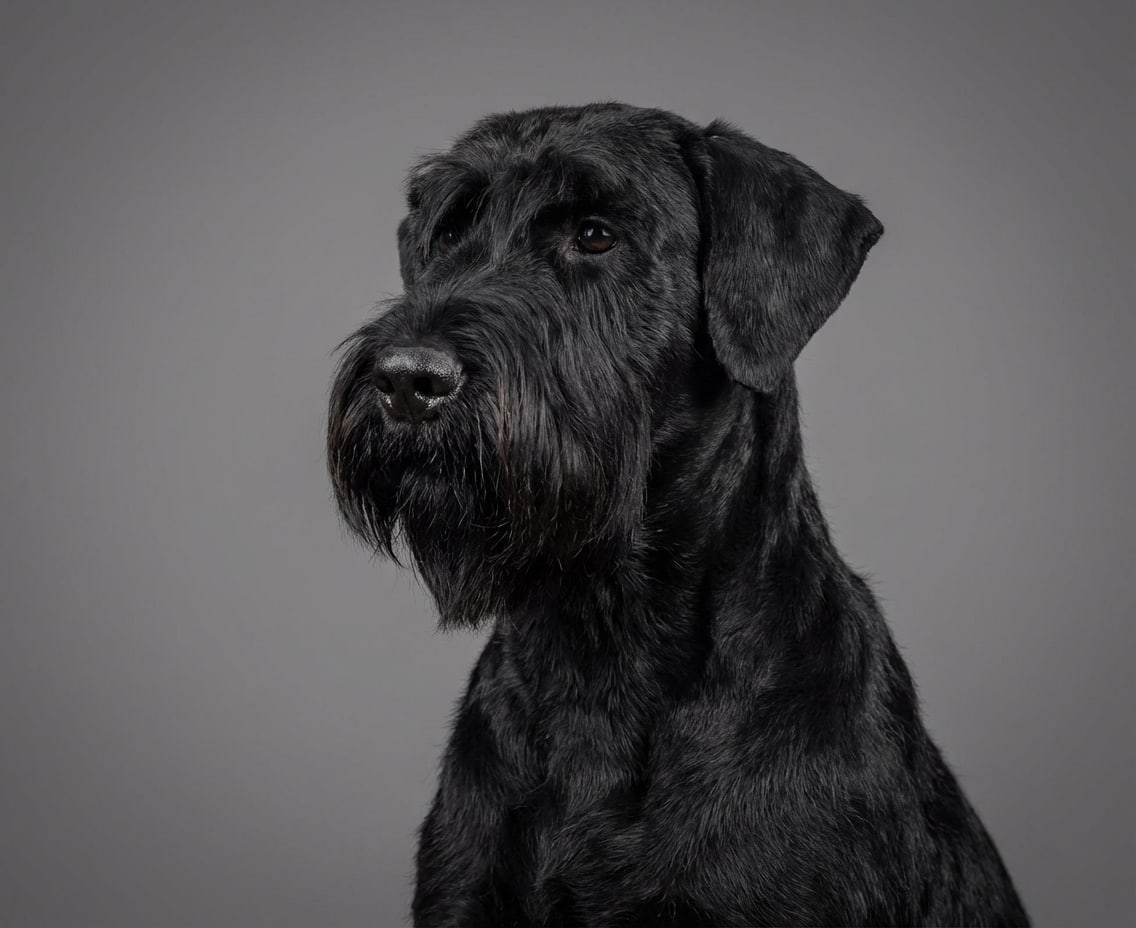
A Giant Schnauzer's daily routine often begins at dawn, with an eager owner lacing up their running shoes to keep pace with their powerful working dog's high energy demands. As the day unfolds, the distinctive wiry coat of this loyal companion requires regular grooming to prevent matting and tangling. With their intelligence and protective nature, Giant Schnauzers thrive on structure and firm training, making them a rewarding breed for active, dedicated owners.
Despite their low shedding, the wiry double coat of a Giant Schnauzer necessitates frequent brushing and stripping to maintain its characteristic texture and appearance. This breed's high energy level and need for mental stimulation also mean that a stimulating environment, complete with engaging toys and activities, is essential to prevent boredom and destructive behavior. As a large breed with a lifespan of 12-15 years, Giant Schnauzers require a long-term commitment to their care and well-being.
For owners who can provide the necessary exercise, training, and grooming, the Giant Schnauzer proves a loyal and loving companion, renowned for its alert and trainable nature. However, their size and common health issues, such as hip dysplasia and bloat, also mean that prospective owners must be aware of the potential costs and responsibilities involved in caring for this breed.
Temperament and Training
Giant Schnauzers are highly intelligent and responsive to firm, consistent training. Early socialization and obedience training are crucial to developing good behavior and preventing unwanted habits. Their loyal and protective nature makes them excellent family pets, but they do require careful introduction to new people and environments. Positive reinforcement techniques and structured exercise routines help to channel their high energy levels and intelligence into productive activities.
Daily Care and Grooming
The wiry double coat of a Giant Schnauzer demands regular grooming to prevent matting and tangling. Daily brushing and periodic stripping are necessary to maintain the coat's texture and appearance. Additionally, their high energy level means they require frequent opportunities for exercise and mental stimulation to prevent boredom and destructive behavior. A balanced daily routine that includes time for grooming, exercise, and relaxation is essential for the well-being of a Giant Schnauzer.
Exercise and Enrichment
Giant Schnauzers are powerful working dogs that require regular, vigorous exercise to maintain their physical and mental health. Daily runs, playtime in securely fenced areas, and engaging activities such as agility training or scent work are all effective ways to stimulate their high energy levels and intelligence. Mental stimulation is equally important, with puzzle toys and interactive games providing a challenging and rewarding outlet for their problem-solving abilities.
Feeding Considerations
As a large breed, Giant Schnauzers have specific dietary needs that must be met to ensure optimal health and development. High-quality dog food that is rich in protein and moderate in fat is recommended, with portion control being crucial to prevent obesity and related health issues. Additionally, Giant Schnauzers are prone to certain health issues, such as bloat and hip dysplasia, which can be influenced by diet and feeding practices. Consultation with a veterinarian is essential to determine the most suitable diet for an individual Giant Schnauzer.
Realistic Cost and Commitment
Owning a Giant Schnauzer is a significant long-term commitment that involves substantial costs and responsibilities. Prospective owners must consider the expenses associated with purchasing or adopting a Giant Schnauzer, as well as the ongoing costs of food, veterinary care, and supplies. The potential costs of addressing common health issues, such as hip dysplasia and bloat, must also be factored into the decision to bring a Giant Schnauzer into one's life. A thorough understanding of these costs and responsibilities is essential for providing the necessary care and support for this breed.
Giant Schnauzer FAQ
How often should I groom my Giant Schnauzer?
Giant Schnauzers require regular grooming to maintain their wiry double coat. Daily brushing and periodic stripping are necessary to prevent matting and tangling, with most owners aiming for a weekly grooming session of about 30 minutes to an hour.
Can Giant Schnauzers be left alone for extended periods?
Giant Schnauzers are social animals that thrive on interaction and attention from their owners. While they can be left alone for short periods, extended isolation can lead to boredom, destructive behavior, and anxiety. It is recommended that owners provide ample opportunities for exercise, mental stimulation, and socialization to prevent these issues.
Are Giant Schnauzers good with children?
Giant Schnauzers can make excellent family pets, given their loyal and protective nature. However, as with any breed, it is crucial to socialize them well to children and teach children how to interact gently and respectfully with dogs. Supervision is also important to ensure the safety and well-being of both the children and the dog.
How much exercise does a Giant Schnauzer need?
Giant Schnauzers are high-energy dogs that require regular, vigorous exercise to maintain their physical and mental health. A minimum of 30 minutes of exercise per day is recommended, which can include runs, playtime in securely fenced areas, and engaging activities such as agility training or scent work.
What health issues are Giant Schnauzers prone to?
Giant Schnauzers are prone to several health issues, including hip dysplasia, bloat (GDV), hypothyroidism, and eye conditions. Regular veterinary check-ups, a balanced diet, and a healthy lifestyle can help mitigate the risk of these conditions, but it is essential for owners to be aware of the potential health issues that can affect this breed.
Top picks for Giant Schnauzers
- Best Chew Toys for Giant Schnauzers →
- Best Food for Giant Schnauzers →
- Best Treats for Giant Schnauzers →
- Best Beds for Giant Schnauzers →
- Best Dental Chews for Giant Schnauzers →
- Best Harnesses for Giant Schnauzers →
- Best Collars for Giant Schnauzers →
- Best Nail Clippers for Giant Schnauzers →
- Best Shampoo for Giant Schnauzers →
- Best Toys for Giant Schnauzers →
- Best Leashes for Giant Schnauzers →
- Best Cooling Mats for Giant Schnauzers →
- Best Training Pads for Giant Schnauzers →
- Best Brushes for Giant Schnauzers →
- Best Jackets & Coats for Giant Schnauzers →
- Best Crates for Giant Schnauzers →
- Best Joint Supplements for Giant Schnauzers →
- Best Ear Cleaners for Giant Schnauzers →