Golden Retriever
The Golden Retriever is a large dog known for being intelligent, friendly, devoted.
- Size
- large
- Weight
- 55–75 lbs
- Life span
- 10–12 yrs
- Coat
- long double
- Shedding
- high
- Energy
- high
Health to watch for
Common breed predispositions — not a diagnosis. Always consult your vet.
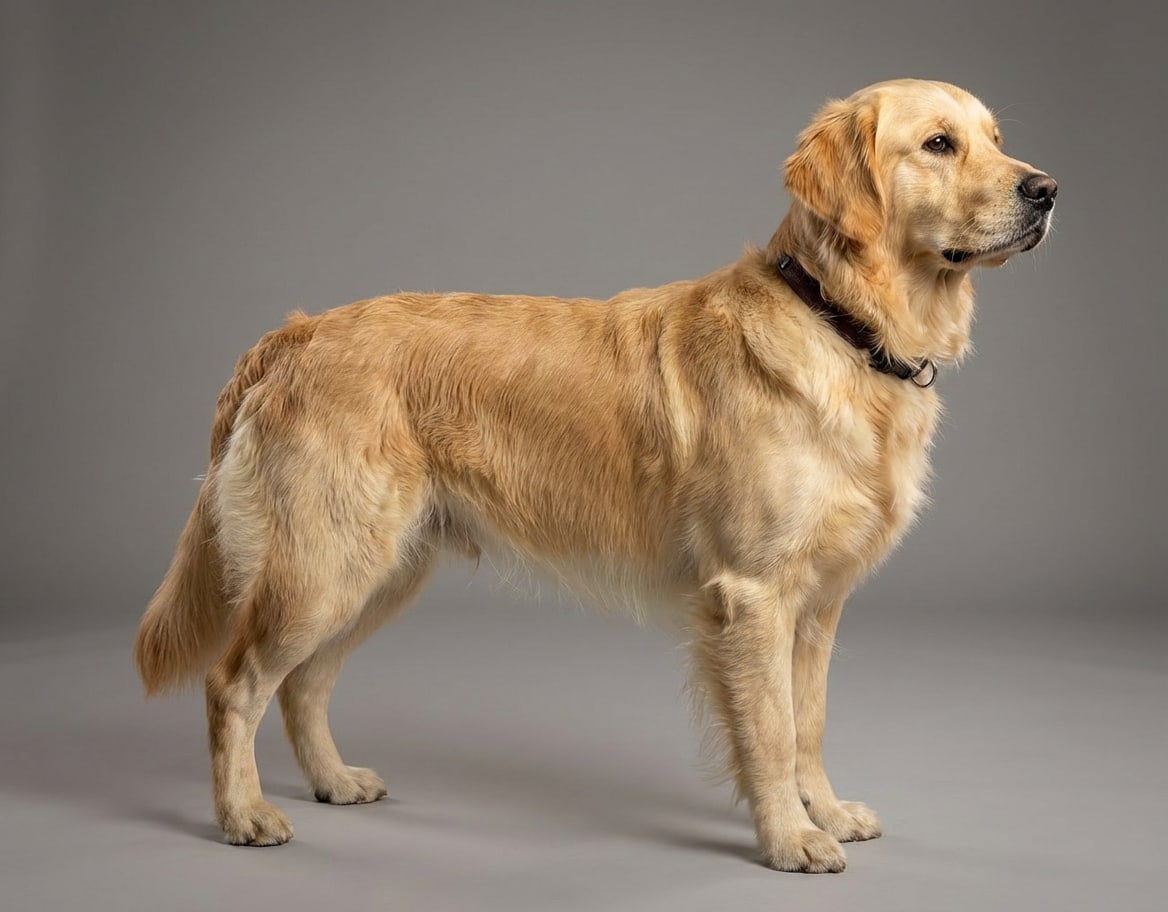
Golden Retrievers boast a stunning, long double coat that requires regular grooming to prevent matting and shedding. This beautiful coat is a hallmark of the breed, but it also means owners must be prepared to dedicate time and effort to keeping it clean and healthy.
With their high energy level and love of activity, Golden Retrievers need plenty of exercise and mental stimulation to prevent boredom and destructive behavior. Their intelligence, friendly nature, and devotion to their families make them a popular choice as both family pets and working dogs.
As a large breed with a tendency towards certain health issues, such as hip dysplasia and skin allergies, it's essential for potential owners to understand the needs and challenges of caring for a Golden Retriever.
Temperament and Training
Golden Retrievers are known for their intelligence and gentle nature, making them highly trainable. Consistent, positive reinforcement training is essential to develop good behavior and prevent unwanted habits. Early socialization is also crucial to help them become confident and calm in the presence of new people, dogs, and environments.
Daily Care and Grooming
The Golden Retriever's long double coat requires regular brushing to prevent matting and shedding. A minimum of 30 minutes of brushing per week is recommended, although this may increase during shedding seasons. Additionally, their ears and teeth need regular cleaning, and their nails should be trimmed regularly to prevent overgrowth.
Exercise and Enrichment
Golden Retrievers have high energy levels and need plenty of exercise to stay happy and healthy. A minimum of 30 minutes of exercise per day is recommended, which can include walks, runs, and playtime in the yard. Mental stimulation is also essential, and activities such as obedience training, agility, and scent work can help to challenge and engage their minds.
Feeding Considerations
As a large breed, Golden Retrievers need a balanced diet that meets their nutritional needs. They require high-quality protein sources, such as chicken or salmon, and complex carbohydrates, such as brown rice or sweet potatoes. It's also essential to monitor their food intake to prevent overeating and maintain a healthy weight, which can help to reduce the risk of certain health issues.
Realistic Cost and Commitment
Owning a Golden Retriever requires a significant commitment of time, money, and resources. The cost of purchasing a puppy, feeding, grooming, and providing veterinary care can be substantial, and owners should be prepared to budget accordingly. Additionally, the time commitment required for exercise, training, and grooming can be significant, and owners should be prepared to dedicating several hours per week to caring for their dog.
Golden Retriever FAQ
How often should I brush my Golden Retriever's coat?
It's recommended to brush your Golden Retriever's coat at least 2-3 times per week, although this may increase during shedding seasons. Regular brushing can help to prevent matting and tangling, and reduce shedding.
Why is my Golden Retriever shedding so much?
Golden Retrievers are known to shed heavily, particularly during shedding seasons. This is a natural process, but it can be exacerbated by factors such as poor diet, lack of grooming, and certain health issues. Regular brushing and a balanced diet can help to reduce shedding.
Can Golden Retrievers be left alone during the day?
While Golden Retrievers can be left alone for short periods, they are social dogs that thrive on interaction and attention. If left alone for extended periods, they may become bored, anxious, or destructive. It's recommended to provide plenty of exercise, training, and mental stimulation before leaving them alone, and to consider hiring a dog walker or asking a friend to check in on them during the day.
How much exercise does my Golden Retriever need?
Golden Retrievers require at least 30 minutes of exercise per day, which can include walks, runs, and playtime in the yard. They also need mental stimulation, such as obedience training, agility, and scent work, to challenge and engage their minds.
Are Golden Retrievers prone to health issues?
Yes, Golden Retrievers are prone to certain health issues, such as hip dysplasia, skin allergies, and cancer. Regular veterinary check-ups, a balanced diet, and plenty of exercise can help to reduce the risk of these issues, but it's essential to be aware of the potential health problems and to work with a reputable breeder or rescue organization to minimize the risk.
Top picks for Golden Retrievers
- Best Food for Golden Retrievers →
- Best Beds for Golden Retrievers →
- Best Collars for Golden Retrievers →
- Best Leashes for Golden Retrievers →
- Best Treats for Golden Retrievers →
- Best Harnesses for Golden Retrievers →
- Best Brushes for Golden Retrievers →
- Best Nail Clippers for Golden Retrievers →
- Best Dental Chews for Golden Retrievers →
- Best Chew Toys for Golden Retrievers →
- Best Shampoo for Golden Retrievers →
- Best Joint Supplements for Golden Retrievers →
- Best Cooling Mats for Golden Retrievers →
- Best Crates for Golden Retrievers →
- Best Ear Cleaners for Golden Retrievers →
- Best Toys for Golden Retrievers →
- Best Training Pads for Golden Retrievers →
- Best Jackets & Coats for Golden Retrievers →