Rottweiler
The Rottweiler is a giant dog known for being loyal, confident, calm.
- Size
- giant
- Weight
- 80–135 lbs
- Life span
- 9–10 yrs
- Coat
- short double
- Shedding
- moderate
- Energy
- moderate
Health to watch for
Common breed predispositions — not a diagnosis. Always consult your vet.
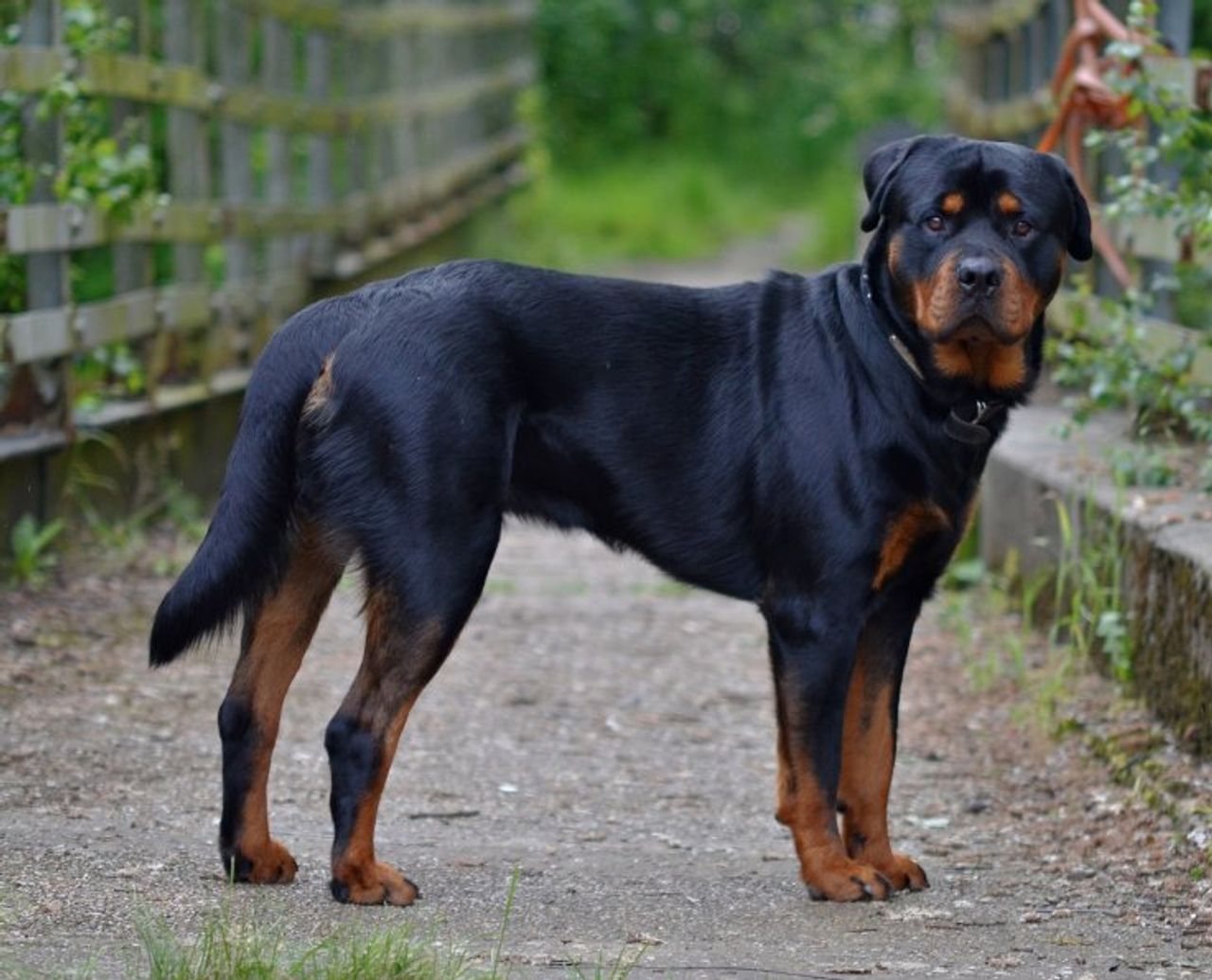
For Rottweiler owners, providing the right care is crucial to ensuring their dog leads a happy and healthy life. Rottweilers are giant breeds with unique needs, requiring heavy-duty gear and big-breed joint support due to their large size and powerful build. Their short double coat means they have moderate shedding and low grooming needs, but their deep chest and predisposition to bloat require careful monitoring.
With a lifespan of 9-10 years, Rottweilers are known for their loyal, confident, and calm temperament, making them loving companions. However, their protective nature and potential health issues, such as hip dysplasia and obesity, demand attention and proper care. Understanding these factors is essential to creating a suitable environment for a Rottweiler to thrive.
A Rottweiler's daily life involves moderate energy levels, which means they require regular exercise and mental stimulation to prevent boredom and stress. Their feeding needs are also critical, as their large size and potential for joint issues require a balanced diet that supports their growth and maintenance.
Temperament and Training
Rottweilers are loyal and confident dogs that require consistent training and socialization from an early age. Positive reinforcement techniques and early exposure to various environments and people help shape their calm and protective nature. Investing time in training is crucial to developing a well-behaved Rottweiler that is a joy to be around.
Daily Care and Grooming
Despite their short double coat, Rottweilers shed moderately and require occasional brushing to remove loose hair. Their low grooming needs make them a relatively easy breed to maintain in terms of coat care. However, their nails, ears, and teeth need regular attention to prevent health issues.
Exercise and Enrichment
Rottweilers have moderate energy levels, which means they need daily exercise that includes walks, playtime, and mental stimulation. Providing a variety of toys and engaging in activities that challenge their minds helps prevent boredom and stress, which can lead to destructive behavior.
Feeding Considerations
Feeding a Rottweiler requires careful consideration of their size, growth rate, and potential health issues. A balanced diet that supports joint health and maintains a healthy weight is essential. Consulting with a veterinarian to determine the best feeding schedule and diet for a Rottweiler is highly recommended.
Realistic Cost and Commitment
Owning a Rottweiler comes with significant costs and commitments, including the purchase price, feeding, veterinary care, and supplies. Additionally, their potential health issues, such as hip dysplasia and bloat, can lead to costly medical bills. Understanding these costs and being prepared to provide the necessary care and attention is crucial to being a responsible Rottweiler owner.
Rottweiler FAQ
How often should I exercise my Rottweiler?
Rottweilers require daily exercise, including walks and playtime, to keep them physically and mentally stimulated. The exact amount of exercise may vary depending on the individual dog's age, health, and energy level, but a minimum of 30 minutes of exercise per day is recommended.
What is the best way to train a Rottweiler?
Rottweilers respond well to positive reinforcement training methods, which focus on rewarding good behavior rather than punishing bad behavior. Consistency, patience, and early socialization are key to developing a well-behaved Rottweiler.
How can I prevent health issues in my Rottweiler?
While some health issues are genetic, maintaining a healthy weight, providing regular exercise, and feeding a balanced diet can help reduce the risk of certain conditions. Regular veterinary check-ups and monitoring for signs of illness or injury can also help identify potential health issues early on.
Can Rottweilers be left alone for extended periods?
Rottweilers are social dogs that thrive on interaction and attention from their owners. Leaving them alone for extended periods can lead to boredom, stress, and destructive behavior. If possible, providing regular breaks and attention throughout the day or hiring a dog walker can help alleviate these issues.
How long do Rottweilers typically live?
The average lifespan of a Rottweiler is 9-10 years, although some may live longer or shorter lives depending on various factors, including genetics, diet, and health conditions. Providing proper care, attention, and regular veterinary check-ups can help ensure a Rottweiler lives a long and healthy life.
Top picks for Rottweilers
- Best Beds for Rottweilers →
- Best Dental Chews for Rottweilers →
- Best Crates for Rottweilers →
- Best Treats for Rottweilers →
- Best Harnesses for Rottweilers →
- Best Collars for Rottweilers →
- Best Brushes for Rottweilers →
- Best Shampoo for Rottweilers →
- Best Food for Rottweilers →
- Best Toys for Rottweilers →
- Best Nail Clippers for Rottweilers →
- Best Jackets & Coats for Rottweilers →
- Best Training Pads for Rottweilers →
- Best Cooling Mats for Rottweilers →
- Best Ear Cleaners for Rottweilers →
- Best Leashes for Rottweilers →
- Best Chew Toys for Rottweilers →
- Best Joint Supplements for Rottweilers →