Yorkshire Terrier
The Yorkshire Terrier is a toy dog known for being bold, affectionate, tenacious.
- Size
- toy
- Weight
- 4–7 lbs
- Life span
- 13–16 yrs
- Coat
- long silky single
- Shedding
- low
- Energy
- moderate
Health to watch for
Common breed predispositions — not a diagnosis. Always consult your vet.
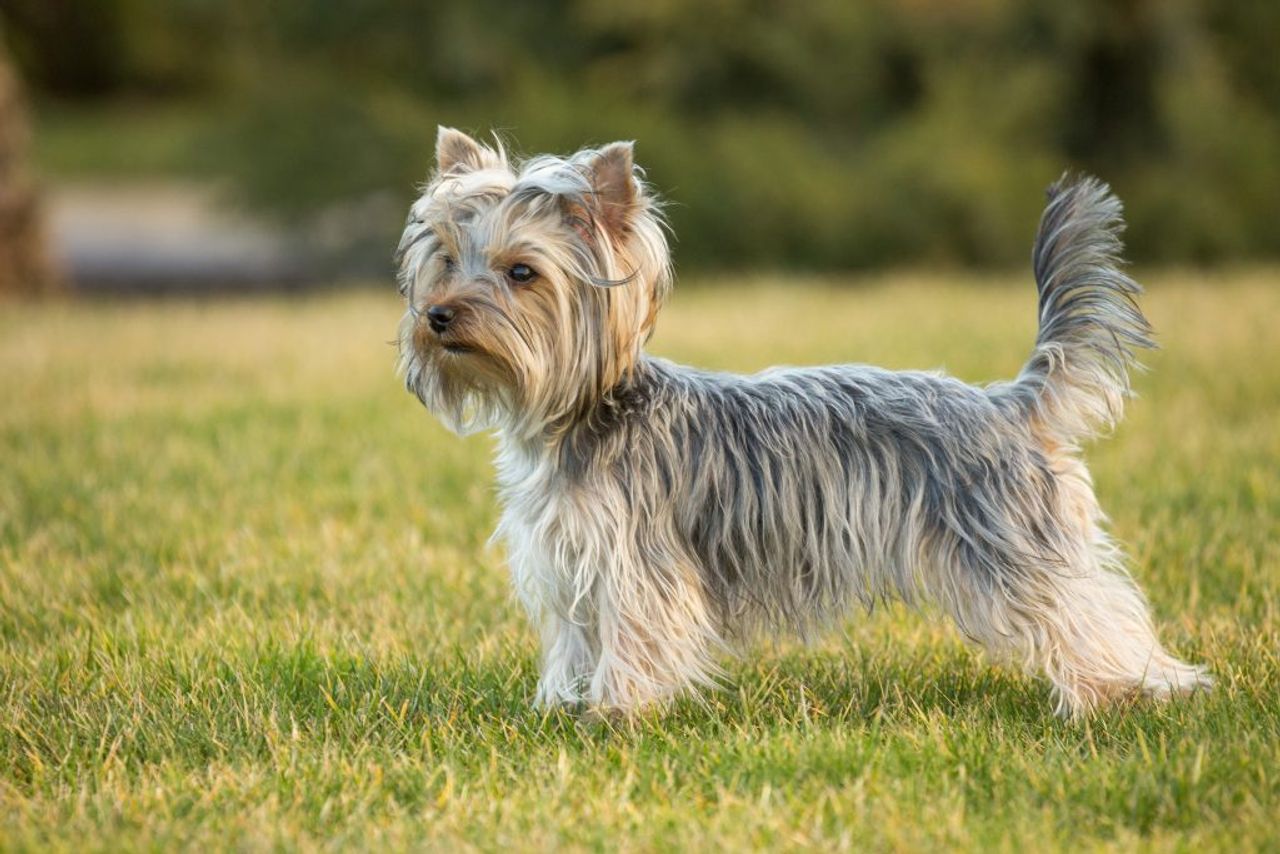
Despite their small size, Yorkshire Terriers have a massive personality, and one surprising fact about this breed is that they are naturally talented ratters, with a strong instinct to chase and catch small prey.
Their bold, affectionate, and tenacious nature makes them a beloved companion, but it also requires careful consideration when it comes to their daily care and grooming needs. With their long, silky single coat, Yorkies need regular brushing to prevent matting and tangling, and their fragile physique means they require gentle handling and protection from injury.
As a toy breed, Yorkies are prone to certain health issues, including patellar luxation, dental disease, and collapsing trachea, which can be costly to treat if not prevented or managed properly. Regular veterinary check-ups and a balanced diet are essential to maintaining their overall health and well-being.
Grooming Needs
Yorkies require daily brushing to prevent matting and tangling of their long, silky coat. Regular grooming sessions can help strengthen the bond between dog and owner, and can also help identify any potential health issues early on. It's essential to use gentle, suitable products and techniques to avoid damaging their coat or irritating their skin. A regular grooming routine can also help reduce shedding and prevent hair from getting everywhere.
Exercise and Enrichment
Yorkies have moderate energy levels and require regular exercise to stay happy and healthy. Short walks, playtime, and interactive toys can provide the necessary physical and mental stimulation. However, it's crucial to avoid over-exertion, as Yorkies can be prone to exhaustion and injury. Providing a safe and comfortable environment, with plenty of opportunities for rest and relaxation, is also essential.
Feeding Considerations
Yorkies are small dogs with sensitive stomachs, and they require a balanced diet that meets their specific nutritional needs. Tiny kibble is often recommended, as it's easier for them to chew and swallow. It's also essential to monitor their food intake and avoid overfeeding, as obesity can lead to a range of health problems. Consult with a veterinarian to determine the best diet for your Yorkie.
Training and Socialization
Yorkies are intelligent and responsive to training, but they can be stubborn at times. Positive reinforcement techniques, patience, and consistency are key to successful training. Socialization is also crucial, as Yorkies can be wary of strangers and other animals. Early socialization and gentle exposure to new environments and experiences can help build confidence and reduce anxiety.
Health and Veterinary Care
Yorkies are prone to certain health issues, including patellar luxation, dental disease, and collapsing trachea. Regular veterinary check-ups, preventive care, and a balanced diet can help prevent or manage these conditions. It's essential to work closely with a veterinarian to monitor your Yorkie's health and address any concerns promptly.
Yorkshire Terrier FAQ
How often should I brush my Yorkie's coat?
Daily brushing is recommended to prevent matting and tangling of your Yorkie's long, silky coat. This can be a great bonding experience for you and your pet, and can also help identify any potential health issues early on.
Can Yorkies be left alone for extended periods?
Yorkies are social dogs that thrive on interaction and attention. While they can be left alone for short periods, extended periods of isolation can lead to anxiety and behavioral problems. It's essential to provide plenty of exercise, playtime, and mental stimulation to keep your Yorkie happy and healthy.
What is the best way to feed my Yorkie?
The best way to feed your Yorkie is to provide a balanced diet that meets their specific nutritional needs. Tiny kibble is often recommended, as it's easier for them to chew and swallow. Consult with a veterinarian to determine the best diet for your Yorkie, and monitor their food intake to avoid overfeeding.
Can Yorkies be trained?
Yes, Yorkies are intelligent and responsive to training. Positive reinforcement techniques, patience, and consistency are key to successful training. Early socialization and gentle exposure to new environments and experiences can also help build confidence and reduce anxiety.
How much exercise does my Yorkie need?
Yorkies have moderate energy levels and require regular exercise to stay happy and healthy. Short walks, playtime, and interactive toys can provide the necessary physical and mental stimulation. However, it's crucial to avoid over-exertion, as Yorkies can be prone to exhaustion and injury.
Top picks for Yorkshire Terriers
- Best Food for Yorkshire Terriers →
- Best Treats for Yorkshire Terriers →
- Best Dental Chews for Yorkshire Terriers →
- Best Crates for Yorkshire Terriers →
- Best Leashes for Yorkshire Terriers →
- Best Beds for Yorkshire Terriers →
- Best Harnesses for Yorkshire Terriers →
- Best Shampoo for Yorkshire Terriers →
- Best Joint Supplements for Yorkshire Terriers →
- Best Toys for Yorkshire Terriers →
- Best Nail Clippers for Yorkshire Terriers →
- Best Chew Toys for Yorkshire Terriers →
- Best Jackets & Coats for Yorkshire Terriers →
- Best Brushes for Yorkshire Terriers →
- Best Collars for Yorkshire Terriers →
- Best Ear Cleaners for Yorkshire Terriers →
- Best Cooling Mats for Yorkshire Terriers →
- Best Training Pads for Yorkshire Terriers →