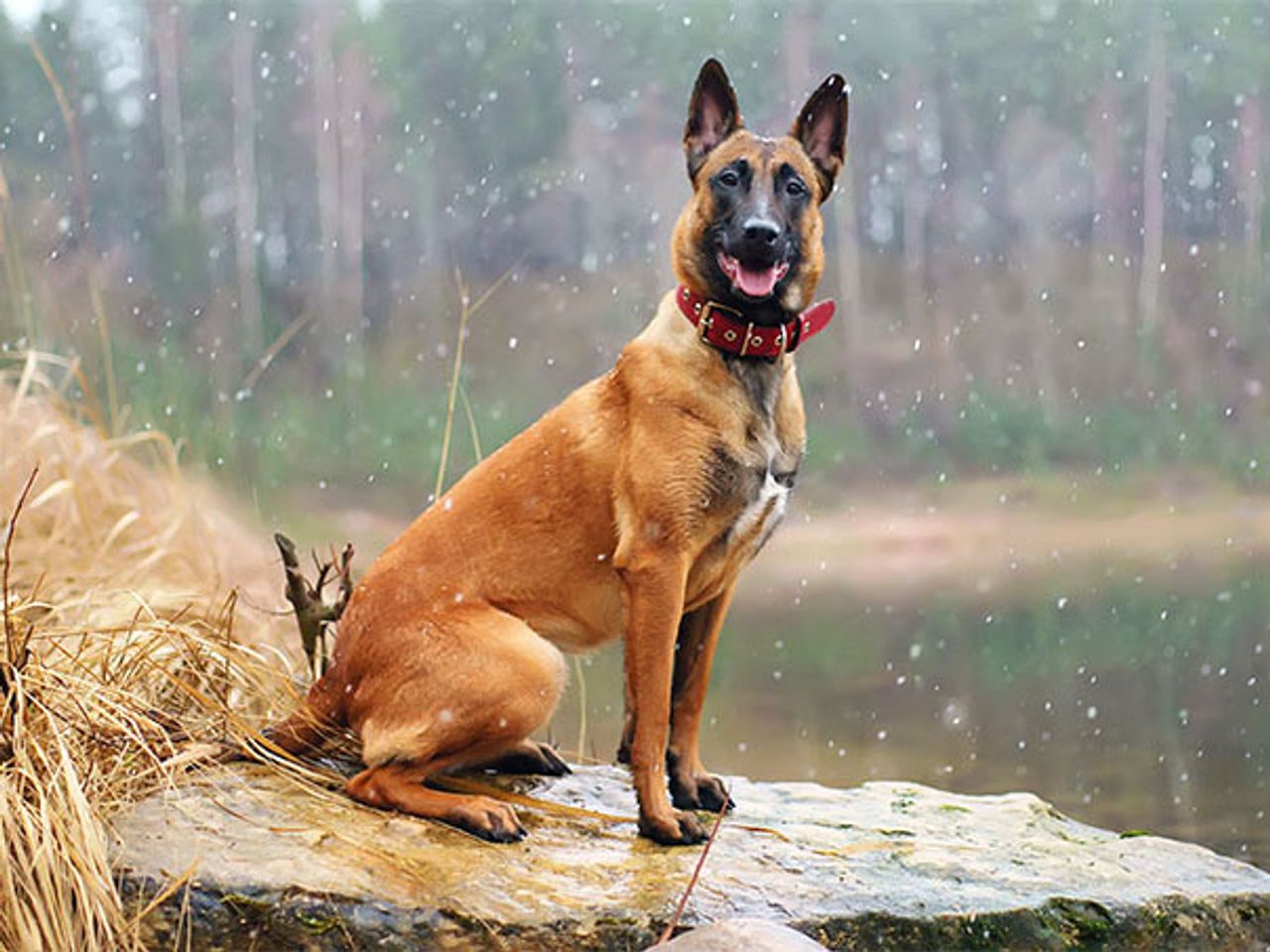
Common Belgian Malinois Health Issues to Watch For
By PetEssentialist Team · Updated June 2026 · How we review
We independently research and pick every product. When you buy through our links we may earn a commission, at no extra cost to you. How this works.
The Belgian Malinois is a high-energy breed that thrives on intense daily work and exercise, making them prone to specific health issues. Their short, weatherproof coat requires minimal grooming, but their large size and extreme drive demand careful attention to joint health. As a responsible owner, it's essential to be aware of the common health issues that can affect this breed, including hip dysplasia, elbow dysplasia, and eye conditions, to ensure they lead a long and healthy life of 14-16 years. With their confident and hardworking temperament, Belgian Malinois are often used as elite working dogs, which can put additional stress on their joints and eyes. Regular check-ups and a watchful eye for early warning signs can help prevent or manage these conditions. By understanding the specific needs of the Belgian Malinois, owners can take proactive steps to protect their dog's health and well-being. As a large breed with moderate shedding, Belgian Malinois require regular exercise and a balanced diet to maintain their overall health. However, their high energy level and drive can sometimes make it challenging to identify potential health issues, making it crucial for owners to be vigilant and informed.
What to look for
Monitor Joint Health
Regularly check for signs of hip or elbow dysplasia, such as limping or stiffness, and consult a veterinarian if you notice any unusual behavior. Provide a balanced diet and ensure your dog gets regular exercise to maintain healthy joints. Avoid excessive jumping or high-impact activities that can put additional stress on the joints.
Eye Care
Belgian Malinois are prone to eye conditions, so regular eye exams are crucial. Look for signs of redness, discharge, or squinting, and consult a veterinarian if you notice any unusual behavior. Keep your dog's eyes clean and dry to prevent infections.
Maintain a Healthy Weight
Excess weight can put additional stress on your dog's joints, so ensure they maintain a healthy weight through a balanced diet and regular exercise. Avoid overfeeding, and monitor your dog's weight regularly to prevent obesity.
Provide Regular Veterinary Check-Ups
Regular check-ups with a veterinarian can help identify potential health issues early on. Schedule annual check-ups and follow your veterinarian's recommendations for preventive care, such as vaccinations and parasite control.
Watch for Signs of Stress
Belgian Malinois are high-energy dogs that can be prone to stress if they don't receive enough physical and mental stimulation. Watch for signs of stress, such as panting, pacing, or destructive behavior, and provide adequate exercise and mental stimulation to prevent stress-related health issues.
Frequently asked questions
How often should I take my Belgian Malinois to the vet?
Regular check-ups with a veterinarian are essential for maintaining your dog's health. Schedule annual check-ups, and follow your veterinarian's recommendations for preventive care, such as vaccinations and parasite control.
What are the early warning signs of hip dysplasia in Belgian Malinois?
Early warning signs of hip dysplasia in Belgian Malinois include limping, stiffness, or difficulty getting up from a lying down position. If you notice any of these signs, consult a veterinarian for a proper diagnosis and treatment plan.
Can I prevent eye conditions in my Belgian Malinois?
While you can't completely prevent eye conditions, regular eye exams and keeping your dog's eyes clean and dry can help reduce the risk of infection. Look for signs of redness, discharge, or squinting, and consult a veterinarian if you notice any unusual behavior.
How can I help my Belgian Malinois maintain a healthy weight?
To help your Belgian Malinois maintain a healthy weight, ensure they get regular exercise and a balanced diet. Avoid overfeeding, and monitor your dog's weight regularly to prevent obesity. Consult a veterinarian for personalized dietary recommendations.
What are the consequences of not addressing health issues in Belgian Malinois?
If left unaddressed, health issues such as hip dysplasia, elbow dysplasia, and eye conditions can lead to chronic pain, mobility issues, and reduced quality of life for your Belgian Malinois. Regular check-ups and prompt treatment can help prevent or manage these conditions and ensure your dog leads a long and healthy life.
By being aware of the common health issues that can affect the Belgian Malinois and taking proactive steps to prevent or manage them, owners can help their dog lead a long and healthy life. Prioritize regular veterinary check-ups, monitor joint health, and provide a balanced diet and regular exercise to maintain your dog's overall health and well-being. With proper care and attention, Belgian Malinois can thrive as confident, smart, and hardworking companions.
More for your Belgian Malinois
Other breed-matched picks worth a look.