Common Devon Rex Health Issues to Watch For
By PetEssentialist Team · Updated June 2026 · How we review
We independently research and pick every product. When you buy through our links we may earn a commission, at no extra cost to you. How this works.
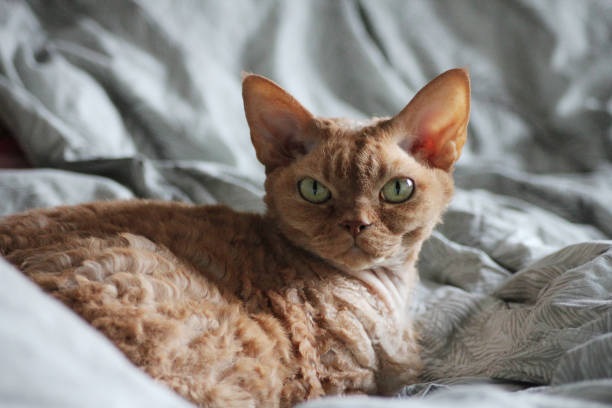
Despite their small size, Devon Rex cats are known for their big personalities and high energy levels. One surprising fact about the Devon Rex is that their curly, soft coat requires less grooming than many other breeds, but their intense people-orientation means they thrive on attention and interaction. This unique combination of traits makes the Devon Rex a delightful companion, but also means they require careful monitoring for certain health issues. Their predisposition to heart conditions, such as HCM, and joint problems like patellar luxation, means owners must be vigilant about their cat's health. With their playful, mischievous nature and affectionate temperament, it's easy to get caught up in the joy of owning a Devon Rex, but responsible ownership also means being aware of potential health issues and taking steps to prevent them.
What to look for
Regular Veterinary Check-Ups
Devon Rex owners should prioritize regular veterinary check-ups to monitor their cat's heart health and detect any potential issues early. A yearly check-up is a good starting point, but more frequent visits may be necessary as the cat ages. By staying on top of veterinary care, owners can help prevent or manage common health issues like HCM and patellar luxation.
Dental Care
Dental disease is a common issue in Devon Rex cats, and owners can play a crucial role in prevention by establishing a regular dental care routine. This includes brushing their cat's teeth daily and providing dental chews or toys to help reduce tartar buildup. By taking proactive steps, owners can help reduce the risk of dental disease and promote their cat's overall health.
Joint Health
The Devon Rex's high energy level and love of playtime means they can be prone to joint problems like patellar luxation. Owners can help support their cat's joint health by providing a balanced diet, encouraging gentle exercise, and avoiding excessive jumping or stress on the joints. By taking a proactive approach, owners can help reduce the risk of joint-related issues and promote their cat's mobility and comfort.
Warmth and Comfort
Devon Rex cats are warmth-seeking and love to snuggle up in cozy spots. Owners can help support their cat's comfort and well-being by providing a warm, draft-free environment and plenty of soft bedding. This can be especially important for older cats or those with joint issues, as it can help reduce discomfort and promote relaxation.
Playtime and Exercise
The Devon Rex's high energy level means they require regular playtime and exercise to stay happy and healthy. Owners can help support their cat's physical and mental well-being by engaging in play activities like chasing toys or feather wands, and providing plenty of opportunities for climbing and exploration. By keeping their cat active and engaged, owners can help reduce the risk of boredom and stress-related issues.
Frequently asked questions
How often should I take my Devon Rex to the vet?
Devon Rex owners should aim to take their cat to the vet at least once a year for a check-up, but more frequent visits may be necessary as the cat ages or if any health issues arise. It's always best to consult with a veterinarian to determine the best care plan for your individual cat.
What are the signs of HCM in Devon Rex cats?
Signs of HCM in Devon Rex cats can include difficulty breathing, lethargy, and pale gums. If you notice any of these symptoms in your cat, it's essential to seek veterinary attention immediately. Regular check-ups and monitoring can help detect HCM early, and treatment can be more effective if caught soon enough.
How can I prevent dental disease in my Devon Rex?
Preventing dental disease in Devon Rex cats requires a combination of regular brushing, dental chews or toys, and a balanced diet. Owners should also aim to reduce their cat's exposure to sugary or acidic foods and drinks, which can contribute to dental problems. By taking a proactive approach, owners can help reduce the risk of dental disease and promote their cat's overall health.
Why is my Devon Rex so prone to joint problems?
The Devon Rex's high energy level and love of playtime means they can be prone to joint problems like patellar luxation. This is due to a combination of genetic and environmental factors, including their breed characteristics and lifestyle. By taking steps to support their cat's joint health, such as providing a balanced diet and avoiding excessive jumping or stress on the joints, owners can help reduce the risk of joint-related issues.
How can I keep my Devon Rex warm and comfortable?
Devon Rex cats are warmth-seeking and love to snuggle up in cozy spots. Owners can help support their cat's comfort and well-being by providing a warm, draft-free environment and plenty of soft bedding. This can be especially important for older cats or those with joint issues, as it can help reduce discomfort and promote relaxation.
By prioritizing regular veterinary check-ups, dental care, joint health, warmth, and playtime, Devon Rex owners can help prevent common health issues and promote their cat's overall well-being. For owners who want to provide the best possible care for their Devon Rex, it's essential to stay informed and take proactive steps to support their cat's unique needs and characteristics. By doing so, owners can help their Devon Rex live a long, happy, and healthy life.
More for your Devon Rex
Other breed-matched picks worth a look.