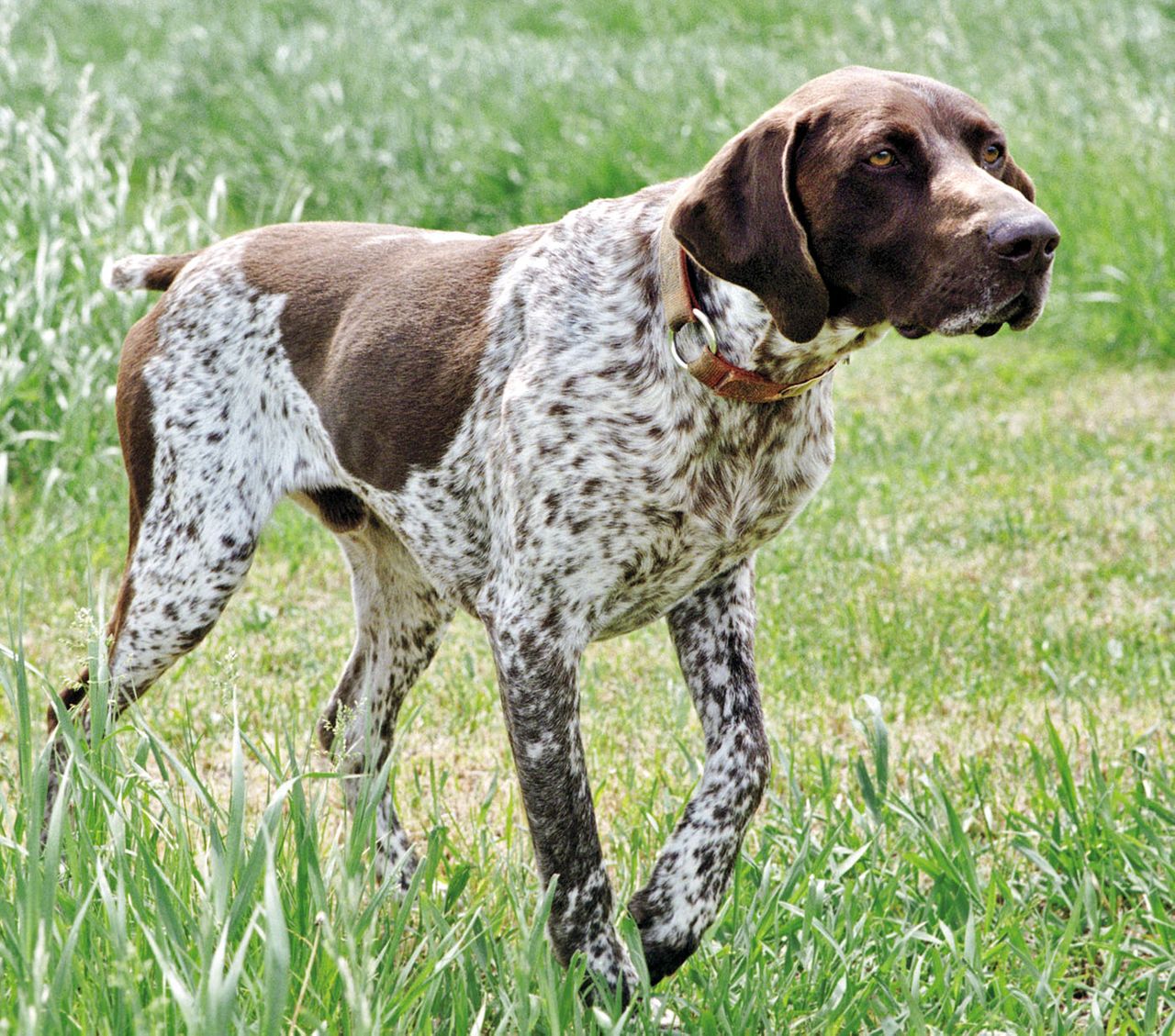
Common German Shorthaired Pointer Health Issues to Watch For
By PetEssentialist Team · Updated June 2026 · How we review
We independently research and pick every product. When you buy through our links we may earn a commission, at no extra cost to you. How this works.
The German Shorthaired Pointer's high energy level and deep chest make them prone to specific health issues. As an owner of this breed, it's essential to understand the potential health concerns that can affect their quality of life. German Shorthaired Pointers are generally a healthy breed, but they can be susceptible to hip dysplasia, bloat, and ear infections due to their large size, short coat, and high energy level. Regular exercise, a balanced diet, and proper care can help prevent or manage these conditions. By being aware of the potential health issues and taking proactive steps, owners can help their German Shorthaired Pointer live a long and healthy life.
What to look for
Monitor for Hip Dysplasia
German Shorthaired Pointers are prone to hip dysplasia, a genetic condition that can lead to arthritis and mobility issues. Owners should monitor their dog's gait and movement, and consult a veterinarian if they notice any signs of pain or stiffness. Regular exercise and a healthy weight can help reduce the risk of hip dysplasia.
Prevent Bloat
The German Shorthaired Pointer's deep chest makes them susceptible to bloat, a life-threatening condition that requires immediate veterinary attention. Owners should feed their dog multiple small meals, avoid exercise after eating, and monitor for signs of bloat, such as restlessness and discomfort.
Keep Ears Clean
German Shorthaired Pointers are prone to ear infections due to their floppy ears and high energy level. Owners should regularly clean their dog's ears and dry them thoroughly after swimming or bathing to prevent infections.
Provide Regular Exercise
German Shorthaired Pointers require regular exercise to stay healthy and happy. Owners should provide at least an hour of exercise per day, including running, swimming, and playtime, to help prevent health issues such as obesity and boredom.
Schedule Regular Check-Ups
Regular veterinary check-ups are essential for monitoring the German Shorthaired Pointer's health and detecting potential issues early. Owners should schedule annual check-ups and follow their veterinarian's recommendations for vaccinations, parasite control, and health screenings.
Frequently asked questions
How often should I exercise my German Shorthaired Pointer?
German Shorthaired Pointers require at least an hour of exercise per day, including running, swimming, and playtime. However, the exact amount of exercise may vary depending on the individual dog's age, health, and energy level. Consult with a veterinarian to determine the best exercise plan for your dog.
What are the signs of bloat in German Shorthaired Pointers?
Signs of bloat in German Shorthaired Pointers include restlessness, discomfort, and a swollen abdomen. If you notice any of these signs, seek immediate veterinary attention, as bloat can be life-threatening.
How can I prevent ear infections in my German Shorthaired Pointer?
To prevent ear infections, regularly clean your German Shorthaired Pointer's ears and dry them thoroughly after swimming or bathing. Also, avoid inserting objects into the ear canal, as this can push wax and debris further into the ear and cause infections.
Can German Shorthaired Pointers be prone to obesity?
Yes, German Shorthaired Pointers can be prone to obesity if they do not receive enough exercise and have a high-calorie diet. Owners should monitor their dog's weight and adjust their diet and exercise plan accordingly to prevent obesity and related health issues.
How often should I take my German Shorthaired Pointer to the veterinarian?
German Shorthaired Pointers should have annual veterinary check-ups to monitor their health and detect potential issues early. Additionally, owners should consult with a veterinarian if they notice any signs of illness or injury, such as vomiting, diarrhea, or limping.
By understanding the common health issues that affect German Shorthaired Pointers and taking proactive steps to prevent or manage them, owners can help their dog live a long and healthy life. Prioritizing regular exercise, a balanced diet, and proper care is essential for this high-energy breed. Consult with a veterinarian to determine the best plan for your German Shorthaired Pointer's specific needs and health status.
More for your German Shorthaired Pointer
Other breed-matched picks worth a look.